Understanding UAE's Surprising Earthquakes
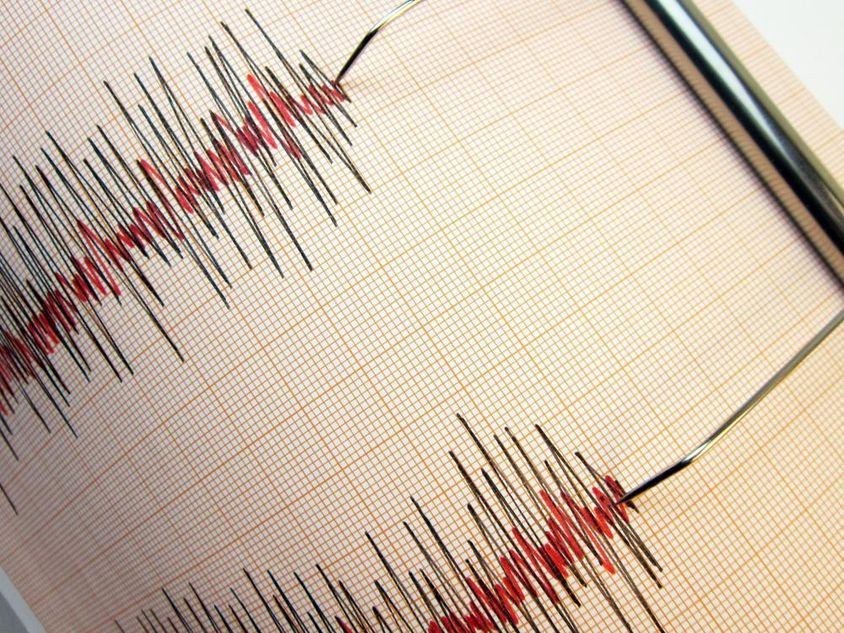
Earth Movements in the UAE: What's Behind Them?
Recently, a minor earthquake once again drew attention in the United Arab Emirates. The quake was recorded by the seismic network of the National Centre of Meteorology, which reported a 2.0 magnitude earthquake in the Al Halah region on the evening of April 19, at a depth of approximately 3.9 kilometers. Such events may initially seem surprising, especially in a country generally considered to have a stable geological environment. However, the reality is more nuanced.
What Exactly Constitutes an Earthquake?
Earthquakes are the result of the sudden release of stress accumulated in the Earth's crust. These movements can vary in strength, from nearly imperceptible to devastating tremors. A 2.0 magnitude earthquake falls at the lower end of the scale, often detectable only by instruments, with the majority of people not noticing it.
Nevertheless, these smaller quakes provide important information about the movements of the Earth's crust. Continuous monitoring of seismic activity helps understand the geological behavior of the area and contributes to predicting the risk of larger earthquakes.
Why Do Quakes Occur in the Region?
Although the United Arab Emirates is not located directly on a major fault line, its geographical location may still be affected by seismic activity in the surrounding regions. One of the most significant geological influences in the area is the proximity of the Zagros Mountains.
This mountain range is one of the world's most active earthquake zones, where the Arabian and Eurasian tectonic plates meet. Tensions generated here are released from time to time, and their effects do not stop at national borders. The energy of the quakes can spread to the Gulf region to a lesser extent, making weaker tremors perceptible in the UAE.
The Role of Musandam and the Strait of Hormuz
In recent times, several minor earthquakes have been recorded in the Musandam region, a strategically significant geographic area. This region is located near the Strait of Hormuz, where the geological structure is more complex, and interactions between tectonic plates are stronger.
Previously, for example, there were 2.2 and 2.9 magnitude earthquakes registered in this area, some of which were slightly felt by people. A stronger 4.6 magnitude quake was felt in several emirates, although it did not cause significant damage.
What Does the 2.0 Magnitude Quake Mean in Practice?
The recent quake measured in the Al Halah region was extremely weak. Such earth movements pose no direct threat to infrastructure or people. Buildings in the United Arab Emirates are designed to take potential seismic effects into account, even if these are rare.
It's important to understand that the presence of smaller quakes does not necessarily indicate an increasing risk. In fact, in certain cases, these microquakes can help gradually release stress, reducing the likelihood of a larger earthquake.
Public Reaction and Awareness
Although such events generally do not cause issues, they play an important role in increasing public awareness. A news report about an earthquake serves as a reminder that the forces of nature are present everywhere, even in seemingly stable regions.
Authorities in the United Arab Emirates are regularly upgrading monitoring systems and emergency protocols. Modern technology allows for rapid data collection and analysis, enabling authorities to quickly assess the situation and respond promptly if needed.
Regional Impacts and International Connections
The seismic activity in the Middle East cannot be interpreted in isolation. Surrounding countries, such as Iran and Iraq, more frequently experience stronger earthquakes, whose effects sometimes spread to the Gulf region as well. This geological interconnection explains why smaller quakes can be felt in places where there is no direct fault line.
This regional correlation is particularly important for long-term risk analysis. Experts continuously monitor patterns and make forecasts and recommendations based on them.
What to Know for the Future?
According to current data, there is no reason for concern. The 2.0 magnitude earthquake is a typical, low-intensity event that fits into the series of occasional minor seismic activities in the region.
Nonetheless, the phenomenon highlights that the Earth's crust is in constant motion, and even regions considered stable are not entirely exempt from earthquakes. Modern monitoring systems and precautionary architectural standards, however, ensure that such events do not pose a major threat.
Summary
The Dubai area and the entire United Arab Emirates are not generally high-risk earthquake zones, yet smaller tremors occur from time to time. These are primarily due to nearby active geological zones, particularly the Zagros Mountains.
The recent earthquake is part of this natural process, causing no damage and posing no threat to the population. It serves as a reminder that Earth is a dynamic system, constantly changing—even if we mostly do not perceive it directly.
If you find any errors on this page, please let us know via email.


