Ebola Alert: Travel Measures May Affect Passengers
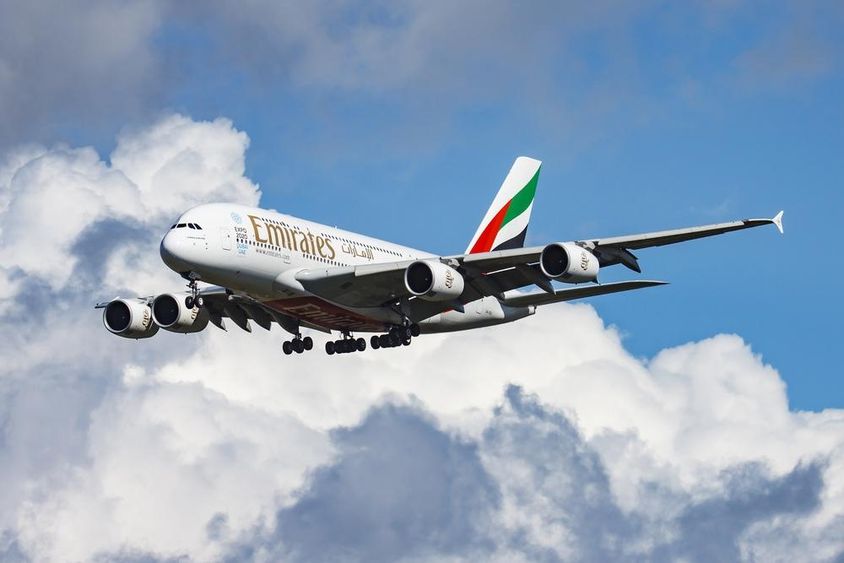
Emirates Warning: Entry Measures due to Ebola May Affect Travelers
New travel situation in several countries
Emirates has issued a travel warning after several countries implemented entry restrictions and increased health screenings amidst Ebola outbreak concerns. The airline advises passengers to not only check their tickets and passports before departure but also review the official entry regulations of their destination country. This is particularly crucial for those traveling to Africa, the Middle East, or on routes involving transfers, connecting flights, or multiple countries.
This situation is not merely an inconvenience in air travel; it concerns public health measures. Ebola quickly garners significant international attention, being a severe disease that can pose a substantial risk under certain conditions. Therefore, some countries have already tightened entry conditions early in the outbreak, while others implement enhanced screenings at airports and border crossings.
What does Emirates ask from passengers?
Emirates recommends passengers always verify the latest entry requirements from official government sources. This is crucial because airlines can alert passengers, yet the final decision on whether someone may enter a country is made by the destination country's authorities.
Passengers should check that the contact details in their booking are up to date before departure. In such a situation, the airline might send important notifications about the flight, transfer, or potential changes via SMS, email, or customer account. If the contact information is incorrect or outdated, passengers might easily miss a significant change.
The airline also requests travelers to check their flight status before heading to the airport. This is important not only because of delays or cancellations but also because some countries' entry rules can change rapidly. A rule valid in the morning might change by the afternoon, especially if a health crisis deteriorates quickly.
Rebooking options for affected passengers
Emirates has indicated that if passengers' travel plans are affected by measures introduced due to Ebola, it will assist in rebooking. This might include rebooking on the next available flight, inclusive of connecting journeys beyond Dubai.
This is particularly important for those who do not end their journey in Dubai but continue to other countries. Many passengers in Emirates' global network travel on itineraries consisting of several segments, so a restriction imposed by a destination country could affect the entire travel plan. For example, if someone is traveling through Dubai to a country that later prohibits entry from certain regions, not only the last flight segment but the entire journey may require rescheduling.
Additionally, Emirates announced that for tickets booked from April 2 onwards, passengers are entitled to one fee-free date change across all cabin classes. This possibility can be availed within the ticket's validity, though fare differences might still apply. Thus, while changing the date can itself be free, if the new flight is available in a higher fare class, the fare difference must be paid.
Bahrain and Jordan's Restrictions
Due to the health situation, Bahrain announced on May 19 that it would suspend entry for foreign travelers arriving from South Sudan, the Democratic Republic of the Congo, or Uganda. This decision gained particular attention, as Bahrain became one of the first Gulf countries to introduce such precautionary restrictions to protect public health.
Jordan also decided on entry restrictions for travelers coming from the Democratic Republic of the Congo and Uganda. These measures indicate that countries in the region are not waiting for the situation to become widespread but are trying to reduce the risk of introduction from an early stage.
Such decisions might be inconvenient for travelers but are understandable from a public health perspective. In the case of a serious infectious disease, rapid screening, monitoring risky routes, and temporary entry restrictions are tools countries use to prevent local spread.
UAE's Health Preparedness
UAE health authorities have reaffirmed their readiness to handle health developments and emerging situations, especially regarding Ebola. According to the National Emergency Crisis and Disaster Management Authority, and the Health and Prevention Ministry, the country's preparedness and health monitoring measures are continuously reviewed in line with accepted standards.
This is particularly crucial for the UAE, as the country, specifically Dubai, is one of the major international air transportation hubs. Daily, many passengers transit through the airports, many on long-haul flights across continents. In such a center, epidemic control is not only a local issue but also an international security factor.
Dubai's role in this situation is also emphasized because Emirates' network connects numerous African, Asian, European, and Middle Eastern destinations. A decision by one country regarding entry can quickly affect connecting passengers, making it essential to keep information up to date.
What does this mean for passengers in practice?
Currently, travelers are advised not just to check the usual documents. It's crucial to check before departure whether the destination requires health declarations, screenings, special certifications, quarantine, or bans for travelers from certain countries.
It's also important that passengers not only check the rules of the ultimate destination but also those of transfer points. Traveling via Dubai might not in itself pose a problem, but the destination country may evaluate travel history, especially if the passenger has been in a region affected by the outbreak in recent days or weeks.
Those traveling from or to affected countries are advised to consult directly with the airline and the official authorities of the destination country. This is crucial because there might be limited flexibility once processing at the airport begins. If someone realizes at boarding that they don't meet entry requirements, they might not be allowed on the flight.
The WHO's take on the seriousness of the situation
According to the latest data from the WHO, up to May 24, since the mid-May outbreak announcement, 10 confirmed and 223 suspected Ebola deaths have been reported in the affected country. The total of confirmed and suspected cases has exceeded a thousand, raising serious concerns.
The WHO has also warned that the actual scale of the outbreak might be larger than officially reported. The reason is that the virus might have spread unnoticed for some time before authorities fully grasped the situation. This is especially dangerous in areas where security conditions are challenging, where health care is limited, and where the local population's movements are hard to track.
The instability in eastern Congo further complicates containment efforts. The region has been plagued by conflicts for decades, hindering the work of health teams, locating patients, contact tracing, and informing local communities. Successfully stopping an Ebola outbreak requires rapid response, trust, secure access, and a well-organized health system. If any of these are missing, control efforts become much more challenging.
The particular risk of the Bundibugyo strain
The current outbreak is driven by the Ebola Bundibugyo strain, which is particularly concerning since there is currently no approved vaccine or treatment for it. This doesn't mean health care is helpless, but it does mean that prevention, isolation, rapid detection, and contact tracing play an even more critical role.
In combating Ebola, early detection is crucial. The symptoms can initially resemble those of other diseases, which is why understanding the epidemiological background, travel data, and mapping contacts is extremely important. If an infected person receives medical care late, they might come into contact with more people, increasing the chances of further transmission.
Why Emirates' warning should be taken seriously
Emirates' warning is not about causing panic, but it is practical travel advice. The airline prepares passengers for the reality that entry rules can change quickly, and travel plans might need adjustment even within a short time frame.
Those traveling now should handle their bookings flexibly, monitor notifications, and avoid relying on unchecked information. Advice spreading via social media or traveler forums doesn't replace official government sources. In this situation, only what is officially communicated by the destination country's authorities and the airline is certain.
Summary
New entry measures due to Ebola could affect travelers in several countries. Bahrain and Jordan have already announced specific restrictions on travelers from certain African countries, while UAE health authorities are continuously reviewing preparedness and monitoring systems.
Emirates urges passengers to verify official entry rules before departure, update contact details, and track their flight status. If travel plans are affected by restrictions, the airline offers rebooking assistance, with some bookings including a fee-free date change option.
The main lesson from the situation is that an international epidemic event can rapidly influence air travel. Given Dubai's global role and Emirates' extensive network, many travelers might be directly or indirectly affected. Safe travel now largely depends on accurate information, following official sources, and flexible planning.
If you find any errors on this page, please let us know via email.


