UAE's Plastic Ban: A Giant Leap by 2026
UAE's Plastic Ban: A Giant Leap by 2026
The United Arab Emirates is taking another significant step towards a sustainable future. Beginning on January 1, 2026, the second phase of plastic elimination will commence, banning an even wider range of single-use plastic products and bags. This decision not only aims to protect the environment but also seeks to encourage the local recycling industry. After the first phase implemented in 2024, more everyday products will be added to the prohibited list, further limiting the presence of plastics in consumer habits.
What products does the second phase affect?
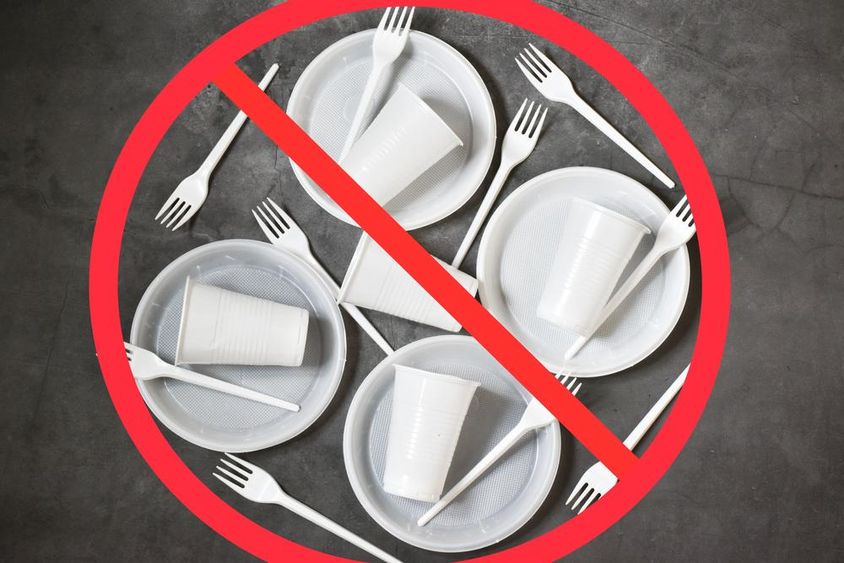
The ban effective from January 1, 2026, will cover the following single-use plastic products:
- Takeaway beverage cups and their lids
- Cutlery: spoons, forks, knives, chopsticks
- Plates
- Straws
- Stir sticks
- Styrofoam (commonly known as polystyrene) food containers and storage
It is important to emphasize that the ban extends not just to plastic materials but also to all kinds of single-use bags, including paper bags if their thickness does not reach 50 microns.
Who is exempt from the ban?
While the decision is broad, there are certain exceptions. These aim to support local industry and ensure the supply of basic necessities is not hindered. The following cases allow for the manufacture and use of single-use plastic products:
- Products manufactured solely for export or re-export, provided they are clearly labeled and not distributed domestically
- Bags and products made from recycled materials within the UAE
- Pharmaceutical packaging (e.g., drug storage bags)
- Trash bags
- Very thin bags used for fresh food packaging (e.g., meat, vegetables, bread)
- Larger shopping bags containing clothing, electronics, or toys
These exceptions facilitate the transition towards a more sustainable consumption model without making it impossible for citizens or traders to operate.
Environmental objectives behind the initiative
The Ministry of Climate Change and Environment (MOCCAE) emphasizes that the ban is not just a restriction but part of a comprehensive shift in perspective. The long-term impact of single-use plastics has been known for a long time: these products often end up in oceans, deserts, or landfills, with their decomposition taking up to hundreds of years. The UAE aims to ensure a more livable, cleaner future for upcoming generations.
In this regard, the authorities urge all affected businesses, vendors, and markets to fully comply with the new regulations. According to the ministry, active participation from the private sector will be crucial to achieving these goals.
How did the process start?
This current measure is not without precedent. On January 1, 2024, the first phase of plastic elimination came into effect, which at that time already banned the import, manufacture, and trade of all single-use plastic shopping bags, including biodegradable variants. This was the first major step now followed by a new, stricter phase.
Local recycling as a solution
One of the most important aspects is that policymakers not only want to ban but also encourage. The UAE's goal is to replace single-use products with sustainable, recycled materials. These kinds of products are not subject to the ban; on the contrary, their local production is supported. This approach both protects the environment and creates jobs.
How is society reacting?
According to feedback so far, most citizens and businesses have welcomed the decision positively. Increasingly, people are looking for washable, durable alternatives, whether it’s reusable metal straws, glass containers, or canvas bags. Major supermarket chains and restaurants have also begun transitioning, testing alternative packaging materials.
Environmental awareness has also appeared in educational institutions: school campaigns and information programs help young people embrace a plastic-free lifestyle as a natural choice.
What to expect in the future?
The second phase is only another step in a longer process. Authorities do not rule out expanding the list of prohibited products from 2027 and placing even greater emphasis on reusable and biodegradable alternatives.
Dubai and the United Arab Emirates are increasingly taking the lead in the region’s green transition. The current step is not only symbolic but can have real effects on daily life – in a country where consumption and development have not always gone hand in hand with environmental protection. This now seems to be changing.
The message of the 2026 ban is clear: the future is not about single-use plastics but about a conscious, responsible, and sustainable lifestyle. The transition will not be easy, but ultimately we all benefit from it.
(Source: Based on a Ministry of Climate Change and Environment (MOCCAE) press release.)
If you find any errors on this page, please let us know via email.


