Air India Helps UAE-Stranded Passengers Rebook
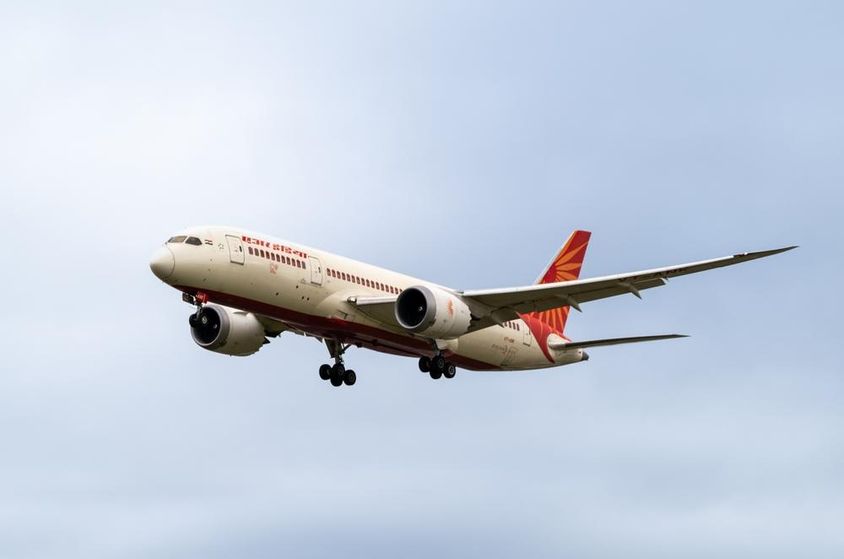
Air India offers flexible rebooking options for passengers stranded in the UAE
Recent regional events have had a significant impact on air travel in the Middle East, particularly affecting airports in the United Arab Emirates and the surrounding region. Due to several flight cancellations and temporary airspace restrictions, numerous passengers have found themselves stranded at various airports. In this situation, one airline has announced flexible measures to facilitate the return of passengers to their home countries. According to the new regulations, passengers whose flights were previously canceled can now rebook a new flight from any UAE airport to India at no extra cost.
The decision provides significant relief for travelers, especially those whose original routes were disrupted or completely canceled due to the uncertain conditions in the region. The airline aims to help passengers reach their destinations as quickly and safely as possible.
Flexible solution for passengers of canceled flights
One of the key elements of the new measure is that passengers are no longer tied to their original departure airport. This is particularly important in countries like the United Arab Emirates, where several international airports operate within relatively short geographical distances.
For example, passengers can rebook their flights to depart from a different city, even if their original route was from a completely different airport. This means that instead of a canceled Dubai flight, passengers can choose to depart from Ras Al Khaimah, Abu Dhabi, or Sharjah airports while still traveling onward to a major Indian city.
This flexibility is particularly important for those traveling for urgent reasons, such as family events, work commitments, or medical appointments. The option to switch airports significantly increases the chances of finding an available flight in a short amount of time.
Extra flights in the region
The airline has significantly increased the number of flights in the region to handle the situation. Dozens of flights have been launched from various Middle Eastern airports to repatriate as many passengers as possible.
The extra flights include routes connecting the major Indian cities with the UAE airports. In addition to flights between Dubai and Indian cities, further connections have been established from Abu Dhabi, Sharjah, and Ras Al Khaimah airports.
This intensified schedule serves the purpose of quickly providing alternatives for passengers of canceled flights. The measure is particularly important as some passengers have been waiting for days to find a new flight.
Impact of airspace restrictions in the region
In aviation, regional conflicts and geopolitical events often have an immediate impact on flights. Airlines are often forced to use alternative routes or temporarily suspend certain flights in these cases.
Currently, flights to several Middle Eastern destinations are temporarily suspended. This is primarily for safety reasons as the top priority for airlines is the safety of passengers and crew.
Rescheduling flights is therefore an ongoing process. Airlines evaluate the airspace situation daily and adjust their schedules accordingly.
Communicating with passengers
Communicating with passengers is crucial in such situations. The airline is continuously in contact with affected passengers through their provided phone numbers. Notifications are usually sent via messages or phone calls, including rebooking options.
Additionally, digital management options are also available. Passengers can manage their bookings through mobile applications, online platforms, or messaging services. This greatly simplifies the process as there is no need to visit a customer service office in person.
The online system allows passengers to quickly review available flights and select the option that best suits them.
Why is Dubai important in air transport?
Dubai is one of the most important aviation hubs in the world. The city’s airport handles tens of millions of passengers annually, with numerous international flights departing to all continents.
The city offers a particularly important connection between India and the Middle East. A significant portion of the Indian community lives and works in the United Arab Emirates, making the air link between the two regions extremely intense.
When such a situation arises in the region, Dubai’s airport plays a crucial role in reorganizing passengers and restarting flights. The UAE’s multiple airports provide a logistical advantage, allowing passengers to more easily find alternative departure points.
Advice for travelers
In such situations, the most important thing for travelers is to continuously monitor their flight status. Airlines’ schedules can change rapidly, so it’s advisable to check the latest information before departure.
Passengers are encouraged to use the online booking system as it provides quicker updates related to flights. Additionally, it’s advisable to leave for the airport in time, especially when departing from an airport in another city.
It is also important for passengers to always carry their booking information and notifications sent by the airline.
Airlines adapting to a changing environment
One of the most important characteristics of modern aviation is rapid adaptation. Airlines often need to respond within a short time to geopolitical events, weather issues, or technical challenges.
Making rebooking rules more flexible is a solution that helps minimize passenger inconvenience. Current measures show that airlines strive to respond as swiftly as possible to changing circumstances.
Launching extra flights and allowing free airport choices provide significant assistance to those stranded in the region.
Summary
Regional airspace restrictions and flight cancellations present a major challenge for aviation, especially in a busy region like the Middle East. However, offering flexible rebooking options for canceled flights provides passengers with great relief.
The possibility for passengers to depart to India from any UAE airport without extra costs significantly increases the chances of returning home. Including airports such as Dubai, Abu Dhabi, Sharjah, and Ras Al Khaimah allows the system to handle increased demand more swiftly.
The current measures clearly show how rapidly the aviation industry can respond to unforeseen situations. The goal is clear: to ensure that passengers can reach their destinations as safely and quickly as possible.
If you find any errors on this page, please let us know via email.


