UAE's New Friday Prayer Schedule Explained
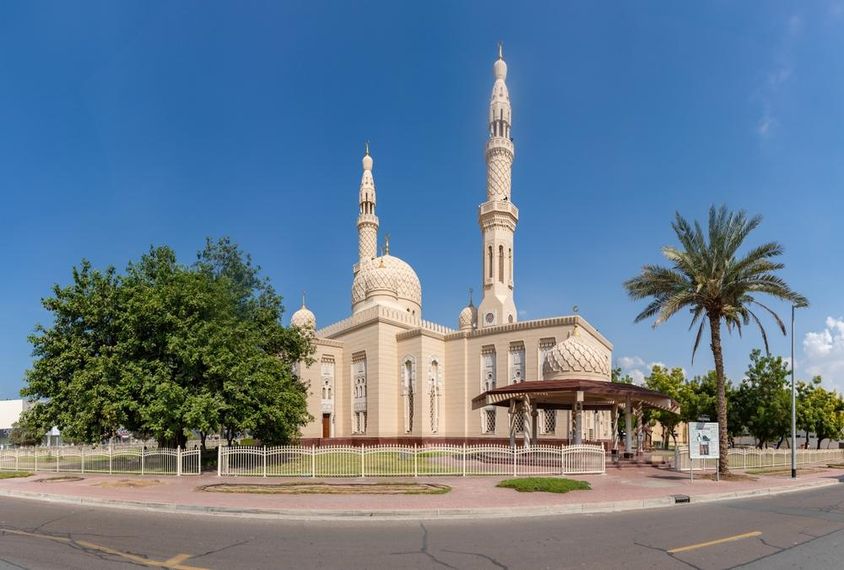
Friday Prayer Time Changes in the UAE: How Worshippers Prepare for the New Schedule Starting January 2
An important event in the religious and social life of the United Arab Emirates is the Friday congregational prayer, or Jummah prayer, performed by millions of Muslims nationwide every week. This prayer is not only a religious obligation but also an expression of community solidarity. However, a significant change will take effect from January 2, 2026: the Friday prayer time will be uniformly adjusted to 12:45 PM, affecting the daily rhythm, work schedule, and even the relationship with lunchtime for those attending the prayers.
This new time—mandated by the relevant religious authorities across the country—has already visibly brought changes to the lives of the worshippers. Many Muslim believers have started "testing" the new schedule weeks before the official implementation to ensure the new timing feels natural by the time the transition day arrives.
Conscious Preparation: The Benefits of Gradual Transition
In Dubai and Sharjah, it has been observed that worshippers are arriving at the mosques earlier, often 20-30 minutes before prayer time. This is not only a practical step to avoid congestion and parking difficulties but also marks internal spiritual preparation. Those who do not rush in at the last moment during the khutbah (Friday sermon) can experience the religious ceremony more calmly and attuned.
The new schedule's 12:45 PM timing is particularly challenging for those who previously performed the Friday prayer during or immediately following lunch. Now, they need to rethink their daily routine and are already setting up digital reminders on their phones or pre-scheduling their work meetings and meals.
Employees, Managers, Couriers—Adapting Differently
The change in prayer time affects not only private life but also has a significant impact on the working world. Those in office work often held team meetings during the Friday lunch break, but these will now be shifted to the post-prayer period.
Individuals engaged in deliveries or mobile work—such as food couriers or maintenance personnel—are particularly sensitive to the change. According to a courier from North Dubai, this is an opportunity to prepare more systematically for prayer and not arrive at the last minute. "When you arrive late, you are still thinking about deliveries and parking, not mentally present. So from now on, I finish orders earlier to participate more peacefully in the prayer," he said.
Social Impacts: New Habits Forming
Friday prayer in the Emirates is not just a religious act but often a social event as well. Many meet friends or colleagues before or after prayer to have lunch together. The new timing also affects these customs. According to a report from a Dubai resident, group lunches before prayers are now being shifted to after the prayer, changing the atmosphere of these gatherings.
Shared meals also provide an opportunity to plan the week, requiring a restructuring of these routine meetings. This is not always easy, especially for those trying to coordinate multiple people's schedules for a shared lunch or meeting.
Technological Assistance: Digital Reminders and Organization
The most straightforward tool that adherents use to adapt to the new schedule is the Friday reminder set on their smartphones. Many are already setting up notifications for 12:10 PM every Friday to leave for the mosque in time, ensuring they do not miss the khutbah.
This kind of digital awareness is especially characteristic of the younger generation, who are accustomed to using calendars and apps for organizing daily tasks and meetings. They are now using the same tools to fulfill their religious commitments.
Communal Benefits: Peace and Focus
Most worshippers reported that arriving earlier is not only practical but also spiritually beneficial. "It was peaceful. There was no rush, no stress," said one, arriving 20 minutes early for the first time. This experience encourages many to develop similar routines in the coming weeks, making the January transition completely natural.
Summary
The change in prayer time might first appear to be merely an administrative decision, but it actually has a profound impact on people's daily rhythm, communal habits, and spiritual readiness. The residents of the United Arab Emirates are preparing for the new time with exemplary awareness and foresight, which redefines not only religious practice but also the organization of daily life. It is already visible in the mosques of Dubai and other emirates that worshippers perceive the change not as a compulsion but as an opportunity to be more calm and focused in their presence.
(This post is based on shared experiences and stories from readers.)
If you find any errors on this page, please let us know via email.


