UAE Vaccine Rules: Big Fines for Noncompliance
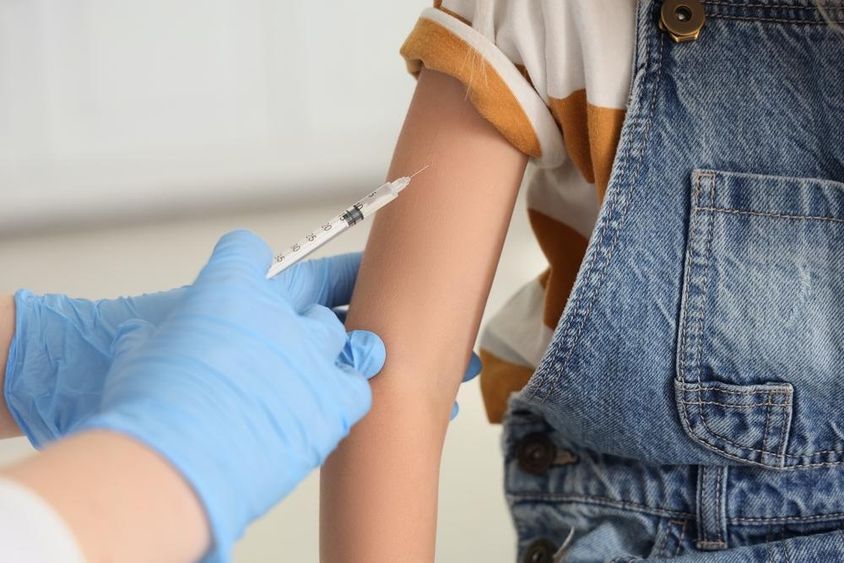
Tightening Vaccine Rules in UAE: Heavy Fines for Missed Mandatory Vaccine
The healthcare system of the United Arab Emirates has long centered around prevention and community safety. Over the years, authorities have continuously enhanced the country's epidemic preparedness, particularly after the experiences of global health crises. A new legislative proposal now aims to further strengthen this system: according to the proposal, parents or guardians who fail to ensure the mandatory vaccination of their children may face significant fines.
According to the proposal, the fine could be up to 20,000 dirhams. The aim of the change is not merely punishment but to bolster public health protection and ensure that children receive all necessary immunizations. This measure is connected to an amendment to the country's infectious disease law, which was approved by the legislature in an evening session in Abu Dhabi.
The role of the vaccination program in public health
The UAE's national immunization program tracks children's vaccination schedules from birth until the end of high school. The program aims to provide protection for young people against a wide range of infectious diseases that have previously caused severe epidemics globally.
Children receive their first vaccines as newborns, followed by additional vaccinations at specific intervals over the years. These include combination vaccines that provide protection against multiple diseases at once. The essence of the system is to have as large a proportion of the population immune as possible, thus reducing the risk of outbreaks.
The currently proposed amendment conveys a clear message: vaccinations are not merely individual decisions but measures serving the protection of the entire community.
Significant fines for negligence
According to the new regulation, parents or guardians who refuse or neglect to have their child vaccinated could face financial penalties between 5,000 and 20,000 dirhams. The exact enforcement mechanism's details are not yet fully clarified, but the law's clear goal is to minimize the number of unvaccinated children.
The UAE authorities have always placed great emphasis on vaccination campaigns and health information. However, the rules regarding mandatory vaccinations now gain even stronger legal foundations.
The policy thinking behind this is based on the logic that protection against infectious diseases is only effective if the majority of the population is immunized. A single unvaccinated community or school can be enough for a previously controlled disease to reappear.
Vaccinations remain free
An important element is that the vaccines provided by the national vaccination program remain free. Vaccinations are free for newborns and the targeted groups defined by the program.
This means that the legislation does not intend to impose a financial burden on families but rather strengthens responsibility. The state provides the vaccines, and it is the parents' duty to ensure their child's participation in the immunization program.
This approach aligns with the UAE's health strategy, which prioritizes preventive care and early intervention.
Mandatory vaccinations in extraordinary situations
Another important element of the law is that in certain situations, authorities may mandate a specific vaccination to prevent the spread of infectious diseases.
Such a decision can be made if a disease spreads rapidly or there is a risk of an epidemic. These measures must be publicly announced through media and official communication channels.
This mechanism allows the country to react quickly to a new health threat and, if necessary, launch a widespread immunization campaign.
Exemptions for medical reasons
The legislation also considers cases where someone cannot receive a vaccine for health reasons. Children with medical contraindications may be exempt from mandatory vaccines.
Such exemptions must, of course, be justified by medical documentation. This ensures that the regulation does not adversely affect those who cannot receive a vaccine due to their health condition.
Lessons from global epidemics
In recent years, it has become clear in many countries around the world that defense against infectious diseases requires constant attention. Global health crises have highlighted how quickly viruses can spread and how important swift response is.
According to UAE lawmakers, updating the law has become necessary because the global health environment is continuously changing. In the modern world, international travel, densely populated cities, and global mobility all increase the risk of epidemics.
These challenges can only be addressed with strong legal frameworks and effective healthcare systems.
Strengthening community safety
The new law aims to strengthen the country's health security. The vaccination program and the related regulation form a protective system that helps prevent outbreaks of infectious diseases.
In recent years, the UAE has invested significant resources in developing healthcare infrastructure, epidemic surveillance, and preventive programs. The vaccination system is one of the most important pillars of this strategy.
The proposed legislative amendment indicates that the country takes public health risks seriously in the long term.
What does this mean for families?
For families, the message is clear: vaccinating children is not just recommended but a mandatory part of the healthcare system. The state provides the vaccines and the infrastructure, and it's the parents' task to comply with the immunization program.
While the tightening of the regulation may seem a strong step at first, authorities argue that it serves community protection. The fight against infectious diseases can only be successful if the entire society cooperates.
With this step, the UAE further strengthens its health security system and sends a clear signal that prevention and community protection remain a top priority for the country.
If you find any errors on this page, please let us know via email.


