UAE Adopts Temporary Remote Learning Measures
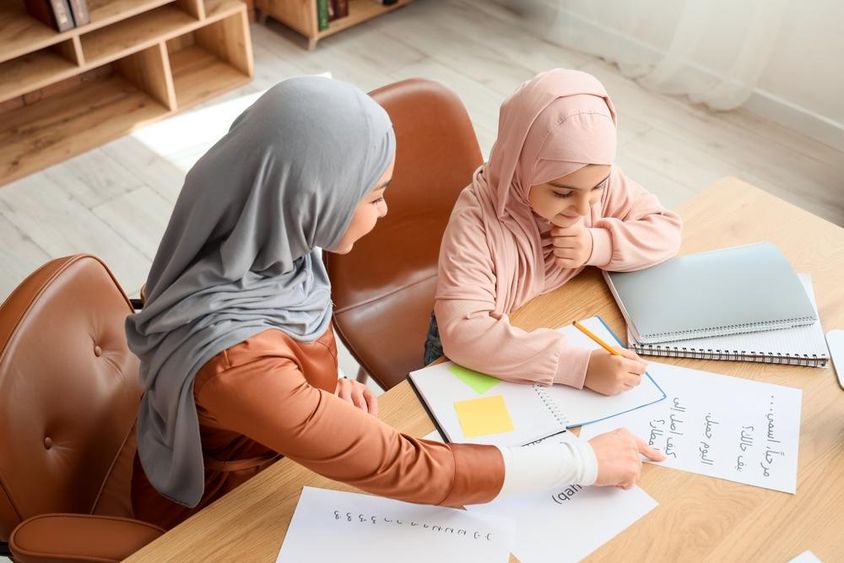
UAE Shifts to Distance Learning from Monday to Wednesday
Nationwide Decision in Extraordinary Circumstance
The Ministry of Education of the United Arab Emirates and the authority responsible for higher education have announced jointly that from March 2nd, 2026, Monday through March 4th, Wednesday, the entire country will transition to distance learning at state and private schools as well as universities. This measure applies equally to all students, teachers, and administrative staff. The goal is to enhance safety, prevent disruptions, and ensure the continuity of the educational process at a time when caution is of high priority.
In recent years, the UAE has gained significant experience in digital education. The rapid transition demonstrates that the infrastructure and professional background are ready to seamlessly provide the conditions for online learning even on short notice. The decision is not a panic-driven reaction but a conscious, systemic response to an emerging situation.
Digital Readiness and Infrastructure
The country's education system has long placed significant emphasis on developing digital platforms. Most institutions have stable online learning environments, videoconferencing tools, digital educational materials, and administrative systems that enable the tracking of schedules, attendance, and evaluations.
Distance education is not just a technological issue, but also a methodological challenge. Many educators in the UAE have recently undergone special training introducing effective tools for online education. Thus, the transition does not result in a drastic decline in educational quality but rather represents a different form of learning.
Especially in major cities such as the Dubai area, the technological infrastructure of institutions is outstanding. Broadband internet, digital equipment availability, and modern educational platforms all contribute to enabling learning in a home environment.
Adaptation of Students and Families
The three-day distance learning period is short, yet it requires significant organization from families. For younger students, the presence and support of parents are indispensable, while high school and university students can handle the online learning environment more independently.
The UAE’s society is extremely diverse, with numerous international families living and working in the country. For the international community, it is particularly important that the continuity of education remains assured as interruptions during the academic year can affect plans for further studies and examination systems in the long term.
Authorities emphasized that during distance learning, schedules will basically remain unchanged, with classes taking place online at set times. This helps maintain the daily routine, which is crucial for the mental stability of students.
Role of Educators and Administrative Staff
The decision affects not only students but also requires reorganization for teachers and administrative workers in operating online. School administration, student management, exam organization, and internal communication will all proceed through digital channels.
Based on experiences from recent years, institutions have already established protocols to be implemented in such situations. Teachers have access to digital assessment tools, online task banks, and interactive learning platforms. In higher education, virtual lecture halls and group online consultations play a particularly significant role.
Safety and Prevention
Although the official statement did not detail specific reasons, such decisions are generally made as a preventive measure. The UAE leadership has repeatedly demonstrated that it prioritizes security and the protection of the population, be it a weather situation, regional tension, or other extraordinary circumstances.
The temporary restriction on physical presence reduces traffic pressure, alleviates crowding in institutions, and provides an opportunity to stabilize the situation. Especially in densely populated urban areas like Dubai, such measures have a quickly noticeable impact on daily life.
Economic and Social Impacts
In the short term, the three-day distance learning does not result in significant economic decline, yet it may affect work schedules. Many parents need to adapt, especially those living in families with small children. However, most companies and institutions already have flexible working models, so the option for home office is widely available.
The UAE’s economic structure is highly digitalized, which facilitates managing such transitional periods. A significant portion of services is also available online, so the temporary shift of education to the virtual space does not cripple social functioning.
Long-term Outlook
The current measure once again highlights that the future of education is moving towards a hybrid direction. The combination of physical presence and online learning is becoming increasingly natural. Students’ digital competencies are improving, and educators are using online tools with growing confidence.
Among the UAE's strategic goals is strengthening the knowledge-based economy, which requires a modern, flexible educational system. The current three-day transition is not viewed as an extraordinary event but as an example of the functioning of an adaptable system.
Summary
The distance learning period from March 2nd to 4th is the result of a thoughtful decision extending over the entire country. The measure presents a challenge for all involved, but it also offers an opportunity for further strengthening digital education. The UAE proves once again that it is capable of responding quickly and systematically to changing conditions while prioritizing the continuity of education and community safety.
If you find any errors on this page, please let us know via email.


