999: Call Only for Real Emergencies
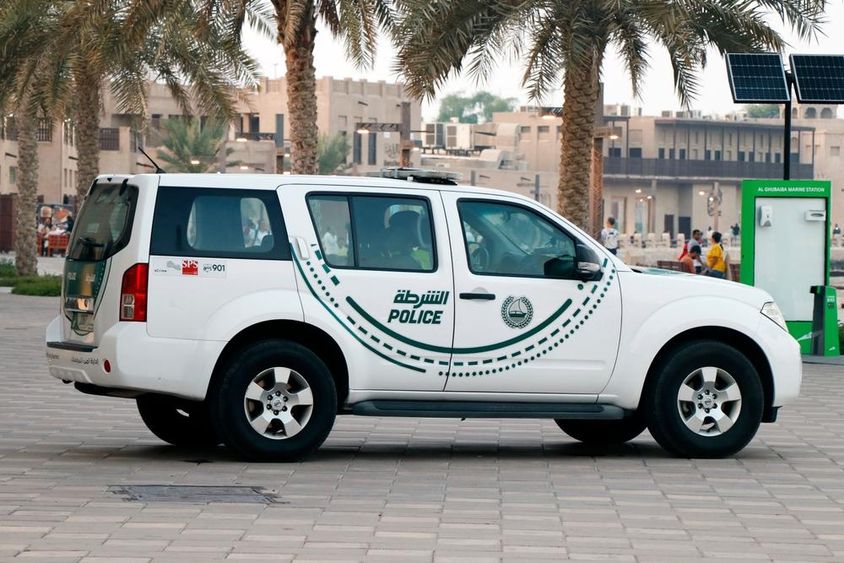
Call 999 Only in Real Emergencies
Shared Responsibility
Authorities in the United Arab Emirates are once again urging residents and visitors to use the 999 emergency number solely for genuine emergencies. This seemingly simple request is, in fact, a cornerstone of public safety. An overloaded emergency system is not just a technical issue but can actually cost lives.
The 999 number is the highest priority emergency line. Calls requiring immediate police, ambulance, or fire brigade intervention are directed here. When someone dials this number for an unjustified reason, such as for information inquiries, minor disputes, or non-urgent complaints, the system becomes occupied, taking valuable minutes away from someone who is truly in danger of life or limb.
What Qualifies as a Real Emergency?
A real emergency is any situation where life, physical integrity, or significant property is in direct danger. This includes serious traffic accidents, violent acts, fire incidents, armed threats, unconsciousness-related health crises, or any event requiring immediate intervention.
A parking dispute, reporting a lost item, minor material damage, or general information inquiries do not qualify as emergencies. Separate non-emergency lines and online platforms are available for these. The system is designed to ensure that every type of report has a suitable channel. However, 999 is reserved exclusively for the most urgent situations.
Dubai and the Culture of Rapid Response
Dubai and other major cities in the UAE boast one of the world's most advanced safety infrastructures. Law enforcement agencies operate with advanced technology, intelligent dispatch systems, and rapid response units. Patrols, ambulances, and fire brigades are always on standby to reach locations within minutes.
This system, however, works effectively only if the public uses it responsibly. Operators at emergency call centers take all incoming calls seriously. When a line is occupied for even a few seconds due to an unwarranted call, it can mean delays for another caller. Emergency systems work in a chain reaction: a single unnecessary call can hinder multiple intervention processes.
Consequences of System Overload
Many people don't realize that even short, "just asking" calls can pose a serious burden. In every case, the dispatcher must identify the caller, assess the situation, and decide whether to send a unit. This demands time and capacity.
If the emergency line becomes overloaded, it can delay intervention in serious accidents or health emergencies. In cases of cardiac arrest or severe injury, even minutes can be crucial. Rapid response is not a luxury but a lifesaving factor.
Making Responsible Decisions Before Dialing
Before anyone calls 999, it's worth asking a simple question: is immediate, lifesaving intervention truly needed? If the answer is yes, the call is justified. If not, it's better to choose another channel.
In the UAE, there are several alternative reporting options for non-urgent issues. Online platforms, mobile applications, and separate service lines assist with administrative or less significant matters. These relieve the emergency system, ensuring the 999 number remains always available for the most critical calls.
Public Safety is a Shared Responsibility
Safety is not solely the responsibility of the authorities. Citizens and visitors form the community within which the system operates. Responsible behavior includes respecting the emergency services' work.
Dubai's example shows that a modern metropolis's safety relies not just on technology but also on public cooperation. The city's rapid response system is globally recognized, but this efficiency is maintained only if everyone uses the available resources consciously.
Awareness and Prevention
Responsible use of the emergency number is part of prevention. Authorities regularly inform the public on when and how to ask for help. This is not a restriction but education. The goal is for everyone to know precisely when to act.
Making informed decisions before dialing contributes to keeping the system fast and efficient. A modern country's security network functions best when every community member understands and respects its rules.
Summary
The 999 number is not a general information line but a life-saving channel. The call from UAE authorities is simple yet crucial: call this number only in real emergencies. Every unjustified call reduces system efficiency and can endanger others' safety.
Responsible use is not just about rule-following; it is a community responsibility. Rapid response can depend on minutes, and those minutes often equate to lives.
If you find any errors on this page, please let us know via email.


