Soaring Airfares Amid Middle East Tensions
Soaring Airfares Amid Middle East Tensions
Global air travel is facing a new challenge that directly affects travelers and airlines alike. Geopolitical tensions in the Middle East, coupled with rising fuel prices, have triggered a chain reaction, one of the most visible results being the increase in airfares. Current forecasts suggest that ticket prices could rise by as much as 5-10% worldwide, particularly for long-haul flights.
The Domino Effect of Fuel Prices
One of the largest cost components in aviation is fuel, which under normal circumstances accounts for a significant portion of operating costs. For an average airline, this ratio ranges between 25-35%, but for discount models, it can reach up to 60%. When fuel prices soar dramatically in a short period, as has happened due to recent conflicts, it places immediate pressure on the entire industry.
Currently, aircraft fuel prices have nearly doubled in a few months. This is not just a transitional fluctuation but a trend fueled by supply disruptions, transport risks, and political uncertainties. Airlines cannot fully absorb such cost increases in the long term and must pass some of the burden onto passengers.
Airspace Closures and Detours
The closure of certain parts of Middle Eastern airspace poses additional problems. Flights are forced to take longer routes, which not only require more fuel but also increase flight times and crew costs. Each detour can add several hundred kilometers to a journey, resulting in significant extra expenses for each flight.
This is especially true for long-haul flights, which inherently consume more fuel. In such cases, even a minor deviation can lead to substantial cost increases, which ultimately appear in ticket prices.
Why Long-Haul Travel is Particularly Affected
For long-haul flights, the proportion of fuel in the total ticket price is much higher than for shorter journeys. This means any price increase is more visibly reflected in the final price. Additionally, these journeys often involve layovers, which further raise costs and risks.
The Middle Eastern region plays a key role in global aviation, particularly concerning transit traffic. A significant portion of long-haul routes start or pass through this area, so any changes in the region have global implications.
The Situation of Dubai-Based Airlines
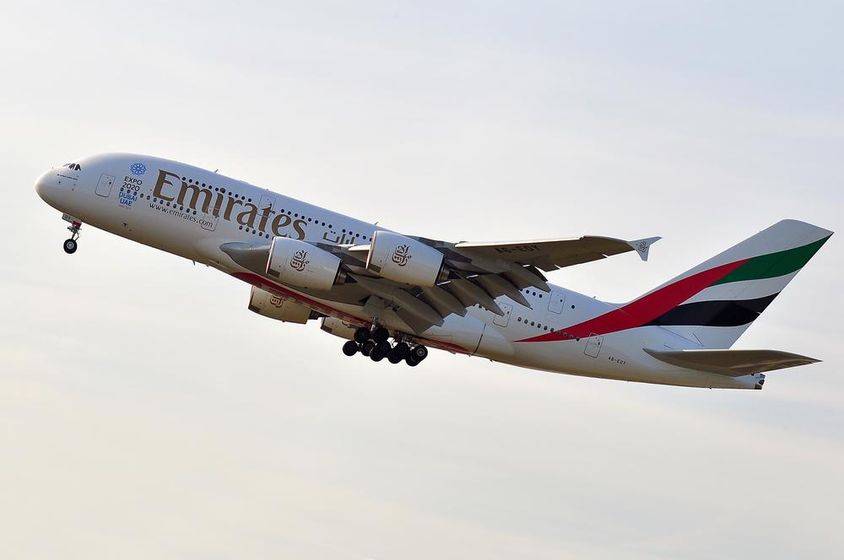
Dubai-based airlines currently have a stable financial background, allowing them to mitigate the impact of price increases in the short term. They operate with significant cash reserves, giving them leeway to handle extra costs without immediately passing them on fully to passengers.
However, this does not mean that price increases are entirely avoidable. Reserves provide only temporary protection, and if high fuel prices persist, an increase in ticket prices becomes inevitable.
Decreasing Demand and Price-Sensitive Passengers
Higher prices have another important effect: they reduce travel enthusiasm. Some passengers postpone or cancel their trips, especially for long-haul, expensive journeys. This phenomenon is already observable and may strengthen in the coming period.
Price sensitivity becomes particularly crucial. Airlines are aware that excessive price hikes can lead to a decrease in demand, so they strive to balance covering costs and retaining passengers.
Regional and Global Impacts
The Middle Eastern conflict not only affects the region but also impacts global aviation. Rising fuel prices are felt worldwide, so not only do Dubai or regional flights become more expensive, but similar trends are observed on other continents as well.
American airlines, for instance, have significantly cut down their fuel price hedging strategies in recent years, making them feel market changes more directly. Consequently, they are expected to pass on costs to passengers more quickly and significantly.
Outlook for 2026
Forecasts suggest that Middle Eastern air traffic might experience a significant decline, possibly exceeding 40%. This presents a major challenge for airlines, particularly those heavily reliant on transit passengers.
However, there is some optimism in the market. It is expected that by the second half of 2026, most regional flights may resume, and airspace restrictions may gradually be lifted. This could stabilize prices and restore travel enthusiasm.
Summary
The current situation clearly shows how sensitive aviation is to geopolitical events and energy price changes. While Dubai-based airlines have a strong financial background, global trends do not bypass them. For passengers, this means higher ticket prices, longer flight times, and greater uncertainty in the short term.
The key question in the near future will be how quickly the situation stabilizes in the Middle Eastern region. Until this happens, flight costs are expected to remain high, and travel will increasingly require careful planning.
If you find any errors on this page, please let us know via email.


