Paid Parking Enhances Safety in Dubai
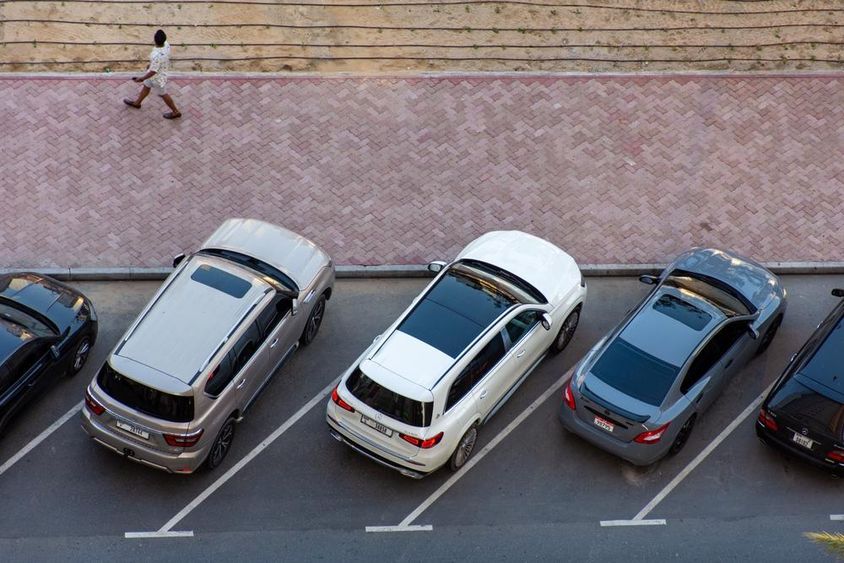
Paid Parking in Dubai International City: More Convenient and Safer
The restructuring of parking systems often sparks debates, especially when free solutions are replaced by paid versions. However, the example of Dubai International City shows that a well-implemented and targeted parking regulation can not only bring order but also save lives. According to residents of the district, the introduction of paid parking has noticeably increased safety and resolved a long-standing issue: traffic chaos and obstruction of emergency vehicles and fire trucks.
Congestion Was a Daily Issue
Dubai International City is a residential district made up of several clusters, where the roads were long dominated by large vans, commuter buses, and delivery vehicles left overnight, rather than by pedestrians or residents' cars. Residents noted that this was particularly common in the France, Italy, and England clusters, where the narrow inner streets were filled on both sides with these vehicles. They often parked bumper to bumper, blocking views and traffic lanes.
This was not only annoying but also dangerous. Residents reported that ambulances and fire trucks often couldn't enter the clusters because there simply wasn't enough space. Even cars could only barely pass through. Residents feared what might happen if there were a real emergency at night or on weekends when every minute counts.
The Paid System Turned the Tide
The parking reform did not involve building new roads or expanding lanes – parking was merely made payable in certain zones. And this alone was enough to rearrange parking habits. The long-term parked vans and trucks simply disappeared from the area.
Residents noticed that the streets are now truly passable. According to a family living in the Italian cluster, older people can now walk more safely, and pedestrians no longer have to weave between cars. The main problem, the presence of oversized vehicles, has almost ceased.
Commercial Vehicles Do Not Belong in Residential Areas
One of the most important lessons of the change is that residential areas cannot handle commercial vehicle traffic. Trucks from mobile companies parking overnight, car wreckers, and moving company vehicles not only take up space but also disrupt daily life and increase accident risk, especially in narrow streets and poor lighting conditions.
The parking fee not only encourages these vehicles to avoid residential areas but also sends a clear message: the safety and quality of life of residents take priority. This affects not only vehicles but also pedestrians and emergency services.
Development Doesn't Always Require Construction
Dubai's example shows that solving traffic problems doesn't necessarily require mega-investments or new road networks. Sometimes, a well-targeted regulation is sufficient to return the streets to those they were originally intended for: the residents.
Residents feel that the area finally works as expected from a residential zone: orderly parking, free traffic routes, less stress, more safety.
Summary
Paid parking in Dubai International City was not just an administrative step – but a long-term sustainable traffic organization solution. It resolved a problem that has persisted for years, which not only caused inconvenience but also posed significant safety risks. The experience shows that regulating parking orders is not just about revenue but about how we protect communities and improve urban quality of life with simple yet effective tools. img_alt: Overhead view of parked cars in Dubai and a man walking on a paved sidewalk.
If you find any errors on this page, please let us know via email.