Insurers' Rain Damage Refusal Explained
Car Insurance in UAE: When Can Insurers Refuse Coverage for Rain Damage?
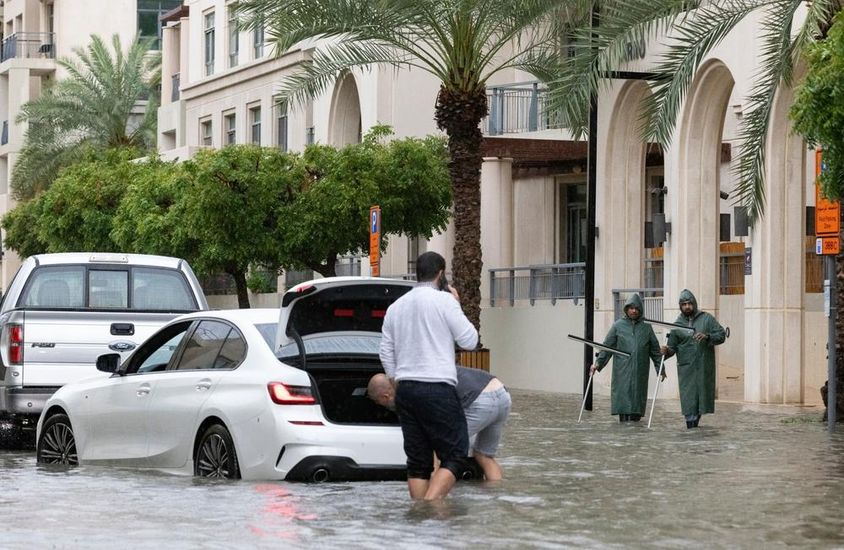
In recent years, the United Arab Emirates has experienced increasingly frequent intense rainfalls and their consequences, particularly in urban areas like Dubai. Flooded roads, submerged parked vehicles, and resulting damages pose challenges for many car owners. One of the most crucial questions they ask is whether car insurance covers such rain or water damage, and if not, on what grounds can the insurer refuse coverage for repairs?
The legal basis of the insurance contract in the UAE
In the UAE, motor vehicle insurance laws are regulated by the 'Unified Motor Vehicle Insurance Policy Against Loss and Damage', under the supervision of the UAE Central Bank, introduced by the Insurance Authority Board of Directors’ Decision No. (25) of 2016. This policy outlines the obligations insurers have toward policyholders in cases of vehicle damage.
There are two basic types of insurance:
1. Third-party liability: This only covers damages caused to others, not damages to the policyholder's own vehicle.
2. Comprehensive insurance: This can cover damages to the policyholder's own vehicle as well, including external, accidental events such as rain or flooding.
When can an insurer refuse to compensate after rain?
If someone only has third-party liability insurance, the insurer can lawfully refuse payment since this type of insurance doesn't cover the vehicle owner’s own damage, even if it resulted from rain. This is fully legal and doesn't constitute a breach of contract.
However, if the vehicle is under comprehensive insurance, the situation becomes more complex. The insurer is fundamentally obligated to compensate for all accidental damage arising from external causes—including rain or flooding—unless there are specific clauses in the contract that exclude compensation for weather, flood, or natural disaster-related damages.
Insurer's obligations under the contract
Once the insurance premium is paid, the insurer must fulfill the obligations outlined in the contract regarding risks, terms, and exclusions. According to Article 1026 of the UAE Civil Code:
"Insurance is a contract where the insured and the insurer cooperate to manage risks defined in the contract, with the insured paying a premium and the insurer committing to provide a specified amount or benefit upon the occurrence of a risk."
This means if the contract does not specifically exclude rain or water-induced damages, the insurer must pay compensation.
Exclusions: When can an insurer be exempt from liability?
The contract's fourth chapter (Exclusions) defines when an insurer can lawfully refuse a compensation claim. The following situations may apply:
Intentional damage: if the insured intentionally causes damage.
Driving without a license: if the vehicle was driven by a person without a valid license.
Exceeding geographical limits: if the vehicle is used in a location not covered by the contract.
Racing, testing: if the vehicle is used for non-intended purposes, such as racing.
Negligence: if the insured fails to take measures to prevent damage, such as ignoring authorities' warnings about floods.
If the insurer can prove damage occurred under such circumstances, it may lawfully refuse payment.
What to do if compensation is denied?
If the insured feels their claim was unjustly denied, they can file a complaint with the Insurance Dispute Resolution Committee under the UAE Central Bank (via the Sanad or Sandak platform). An independent investigation will be launched based on the complaint, and if it is determined that the insurer acted unjustly, they may be compelled to make payment.
It is important to submit all documentation for the procedure—contracts, photographic evidence, repair estimates, and the insurer's written refusal.
Summary
In the UAE insurance system, everything hinges on the contract's details. If one only takes out basic third-party insurance, rain-induced damage to the vehicle itself won't be covered. Under comprehensive insurance, however, payment is mandatory unless the insurer can clearly identify an exclusionary cause from the contract.
Therefore, vehicle owners should carefully read their insurance contract details before making a claim or purchasing new insurance. With the increasing frequency of extreme weather events, more such cases may surface, particularly in areas like Dubai, where the number of rainy days is low but their intensity is rising.
(Source: Based on the regulation of the Unified Motor Vehicle Insurance Policy).
If you find any errors on this page, please let us know via email.


