Dubai's Future: Cultivating Curious and Confident Children
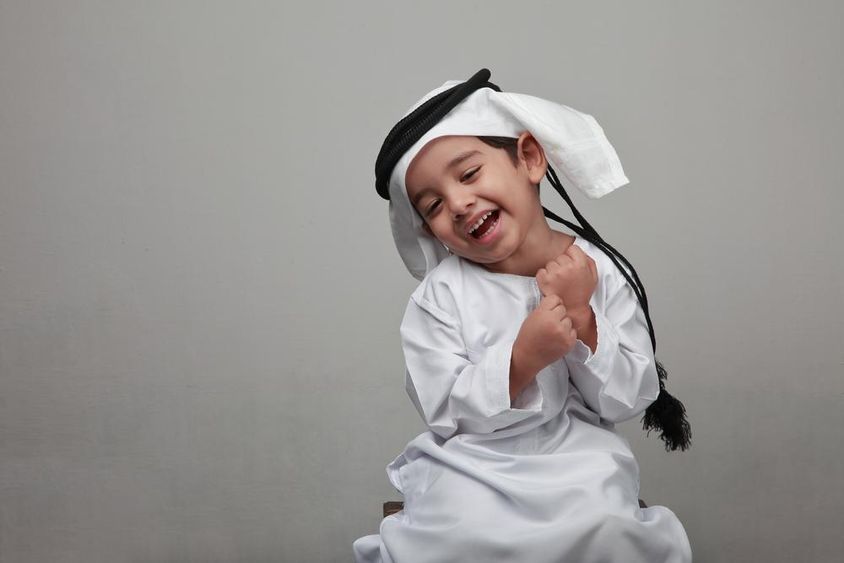
Dubai Kindergartens: Nurturing Curiosity and Confidence in Children
Dubai's kindergarten system is undergoing a transformation that directly impacts children's development and reinforces parents' trust in the education system. The UAE's educational authority, the KHDA (Knowledge and Human Development Authority), has introduced a new quality framework for the care and education of preschool children. At the heart of this framework lies the vision of the 'Dubai Child': a young child who is curious, able to learn, and deeply connected to their own culture.
New Guidelines and a New Approach
The framework is built on five pillars: learning and curriculum, partnership with families and the community, creating supportive learning environments, ensuring health and well-being, and leadership and system development. These principles extend to every area of kindergarten education, from the curriculum to everyday interactions, aiming to promote the holistic development of children.
Kindergartens in Dubai have swiftly responded to the new guidelines. More and more are adopting a sustainable educational approach, creating a balance between nature-focused learning, emotional security, respect for individual rhythms, and inclusivity.
Learning Built on Curiosity and Confidence
The new system emphasizes that learning is most effective when it is driven not by rigid curriculums but by the child's curiosity and interests. Educators don't deliver pre-planned lessons; instead, they observe what children respond to and shape daily activities accordingly.
Open-ended, discovery-based learning experiences foster creativity and problem-solving skills. Emotional regulation and the ability to connect play a central role because emotional security is the foundation of effective learning.
Simpler Spaces, Deeper Focus
Following the 'less is more' principle, classroom design has also changed. Rather than crowded, overly colorful environments, classrooms now feature simplified, calm spaces enriched with natural elements. These help reduce overstimulation and support focused, immersive play. Outdoor activities, such as sensory-based learning, have become integral to the daily routine.
The Role of Families Is Elevated
The new guidelines focus not only on the children and educators but also recognize parents as active partners. Kindergartens regularly communicate with families, involve them in observing and assessing children's development, and work together to ensure children receive consistent support at home and in the kindergarten.
Trust between families and institutions is one of the most important pillars of a child's emotional stability.
Inclusive Education and Personalized Attention
Dubai kindergartens are increasingly emphasizing inclusivity. The goal is for every child—regardless of background or ability—to find their place and develop. This requires planning individual learning paths, early identification, providing appropriate support, and maintaining close collaboration with families.
Some kindergartens offer special programs for children requiring 'special attention.' These initiatives help ensure that equal opportunities are realized even during the kindergarten years.
Integrating Arab Culture and Language
Strengthening children's cultural ties is also important. The Arabic language and culture are not taught in separate lessons but as natural parts of everyday activities. Through storytelling, songs, and playful activities, children learn Arabic while enjoying what they do.
This approach not only develops their language skills but also creates a deeper connection between children and their cultural roots—a core pillar of the 'Dubai Child' concept.
Continuous Development and Quality Assurance
Kindergartens are not just adapting to new expectations but are proactively pursuing continuous development. Teachers receive regular training, particularly in areas such as Montessori-inspired methods, child welfare, or safety.
Internal evaluation systems, international certifications, and regular self-assessment ensure that children develop in the best possible environment—and that parents can confidently entrust their most precious treasures to them.
Summary
Dubai's new kindergarten quality management framework is a comprehensive child-centered reform that deeply impacts the functioning of educational institutions, pedagogical approaches, learning environment designs, and relationships with parents. The goal is clear: to raise children who are curious, confident, and comfortable with their own culture—developing according to the vision of the 'Dubai Child.'
This approach is exemplary not only in Dubai but can set a global direction on how to effectively prioritize the learning and well-being of the youngest in the 21st century.
(Source: Press release from the Knowledge and Human Development Authority's (KHDA).)
If you find any errors on this page, please let us know via email.


