Rising Airfares: Fuel Costs Impact Travel
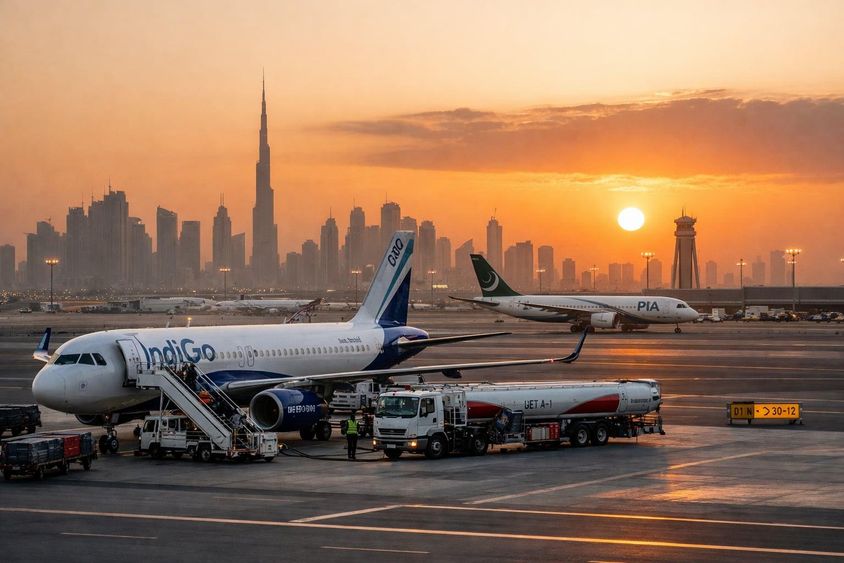
Rising Airfare Prices: Fuel Surcharge Reshapes Air Travel
In recent years, international air travel has experienced firsthand how swiftly prices can change when geopolitical tensions affect energy and transportation markets. Once again, military conflict in the Middle East has created such a scenario. Within a short period, the price of oil rose above a hundred dollars per barrel, impacting airlines' cost structures immediately. Since fuel is one of the biggest expenses in aviation, several South Asian airlines have introduced new fuel surcharges or increased existing fees.
This measure is particularly noticeable on routes operating between the United Arab Emirates, GCC countries, and South Asia. Cities like Dubai, which have become key air hubs in recent years, quickly reflect these changes in ticket prices and travel plans.
Why Does Fuel Matter So Much in Aviation?
Airlines' operating costs are divided into several major categories, with fuel being one of the largest. The price of jet fuel can often account for up to a third of total costs. When oil prices rise rapidly, airlines have two choices: significantly reduce their profits or somehow pass the cost onto passengers.
This is where the so-called fuel surcharge comes in. It is an additional fee on the ticket price that airlines apply when energy prices increase significantly. Although it often comes as an unpleasant surprise for passengers, airlines consider it one of the most effective ways to quickly respond to cost changes.
In the current situation, the price of oil has put immediate pressure on the aviation sector. The Middle Eastern conflict has made the energy market more uncertain, which has immediately been reflected in fuel prices.
New Surcharges Are Appearing on Tickets
Several South Asian airlines have announced that they will introduce new fees or raise previous surcharges. The measures will take effect from mid-March and apply to all new bookings.
For example, one major regional airline has introduced a separate fuel surcharge on domestic and international flights. The fees vary depending on the route: shorter regional flights incur a moderate sum, while longer routes—such as to Europe or Africa—see much higher surcharges.
According to the airline's explanation, the decision is driven by the sudden rise in fuel prices. The company stated that passing on the full increase in costs would result in even higher ticket prices, so they are opting for a more moderate surcharge that remains manageable for passengers.
The airline's fleet comprises hundreds of aircraft, operating several thousand flights daily. In a network of this size, fluctuations in fuel prices can have a massive financial impact.
South Asian Airlines Are Also Raising Fees
It's not just one airline responding to the situation. Another major national airline in the region has also announced significant surcharge increases. The reason for this decision is that fuel costs have risen by more than thirty percent due to the Middle Eastern conflict.
As a result, the company has introduced a separate surcharge on all domestic flights, while an even higher fee appears on international routes. Longer routes—to Europe, North America, or Australia, for instance—naturally incur greater costs, so the surcharge is higher.
This decision is not unique. Several airlines in the region have taken similar steps, indicating that airfare prices will generally rise in the coming months.
Airspace Restrictions and Flight Cancellations
Rising ticket prices aren't just caused by fuel costs. The Middle Eastern conflict has led to partial or complete airspace closures in several countries, significantly affecting flight routes.
When an airline cannot fly over certain countries, longer detours must be taken. This means more time and more fuel, further increasing costs.
The situation has already led to the cancellation or adjustment of hundreds of flights. Airlines are often operating at reduced capacity, contributing to the increase in ticket prices.
Aviation is an extremely sensitive system: uncertainty in one region can affect the entire network. Dubai and the GCC region are particularly important transit points for many global routes, so changes become noticeable quickly.
What Does This Mean for Passengers?
One of the most significant consequences for passengers is that airfare can change significantly in a short time. The fuel surcharge often appears as a separate line in the ticket price, so many only encounter it at the end of the booking process.
Travel experts recommend paying attention to booking times. When energy prices are rapidly fluctuating, airlines can adjust fees within just a few days.
It's also possible that certain flights may run less frequently, as airlines try to optimize costs. This could particularly affect long-haul routes.
Dubai's Role in Regional Air Travel
Dubai Airport is one of the most important global hubs, connecting Europe, Asia, and Africa. The South Asian routes are particularly busy, as many passengers travel for work or family visits.
When South Asian airlines increase surcharges, it directly affects passengers traveling through Dubai to other countries.
The city continues to play a pivotal role in international air travel, so the impact of global events is quickly visible here.
Will Stability Return?
According to experts, much depends on the development of energy prices and the duration of geopolitical tensions. If oil prices stabilize, airlines may eventually reduce surcharges.
The aviation industry has previously adapted to similar situations. Airlines generally view the fuel surcharge as a temporary measure that can be adjusted or eliminated when costs decrease.
However, until then, travelers are likely to face higher ticket prices and more flexible travel plans as the new reality. Global aviation once again reminds us of its close ties with energy and geopolitical processes.
If you find any errors on this page, please let us know via email.


