Keep Cool, Not Sick: Beware UAE's AC Risks
Air Conditioning Woes in UAE Summers: Hidden Pollutant Risks
In the UAE, air conditioning is not a luxury but a necessity for daily life. As temperatures rise, air conditioners operate longer in homes, offices, shops, and cars. During summer, many people live with closed windows while the cooling system runs day and night. This seems natural in a country where outdoor heat and high humidity can quickly become burdensome, but experts warn of a less visible risk: poorly maintained air conditioning degrades indoor air quality.
Many experience sneezing, headaches, sore throats, nasal congestion, eye irritation, or general fatigue indoors without immediately suspecting the air conditioning. They often blame dust, weather changes, outdoor sand, or seasonal allergies. However, in the UAE, frequent use of air conditioners in summer can directly affect the air quality families breathe daily, depending on the units' condition.
Why is a dirty air conditioner a problem?
During operation, air continually passes through filters, pipes, heat exchangers, and other internal components. If these accumulate dust, moisture, mold, or bacteria, the system might not only cool the home but also recycle contaminants back into indoor air. This is particularly problematic when the AC unit operates continuously under heavy load.
The UAE's hot and humid summer climate promotes mold and microorganism growth in poorly maintained systems. Moisture, dust, and heat together create an environment conducive to rapid accumulation. Some estimates suggest significant mold presence in the internal parts of household AC systems. This is not always immediately visible, as issues often begin deep within the filters, ductwork, coils, or condensate drainage parts.
Residents often only suspect issues when unpleasant, musty odors appear, cooling performance drops, or more dust settles on furniture than usual. By then, the buildup may have been in the system for an extended period. Regular inspections are crucial, even when cooling performance seems unaffected.
Sneezing, headaches, and allergy symptoms
Poor indoor air can cause various discomforts. Common signs include frequent sneezing, coughing, nasal congestion, throat irritation, headaches, and itchy eyes. Some feel the air at home is stuffy or heavy, while others notice symptoms improving outdoors or in different locations.
This can be a crucial indicator. If someone regularly experiences symptoms in a specific home, bedroom, or office, which then subside upon leaving, it's worth investigating the air conditioning system's state. Symptoms aren't always dramatic but often start as minor inconveniences, gradually diminishing comfort, sleep quality, and overall well-being over time.
Airborne dust, mold, and bacteria can irritate respiratory pathways. This can be unpleasant for healthy individuals but poses particular risks for certain groups. Children, the elderly, asthma sufferers, allergy sufferers, and those with weakened immune systems may be more sensitive to contaminated indoor air. For them, coughing, difficulty breathing, or persistent nasal congestion can be serious warning signs.
Maintaining air conditioning is not a luxury
In the UAE, many households only call experts when the AC fails to cool properly. This is understandable since AC malfunctioning is immediately noticeable in summer: the home becomes warmer, discomfort increases, and families seek a quick fix. Experts advise that AC maintenance should not be solely approached as a technical issue. It concerns not only the unit's cooling efficiency but also the air quality recirculated in living spaces.
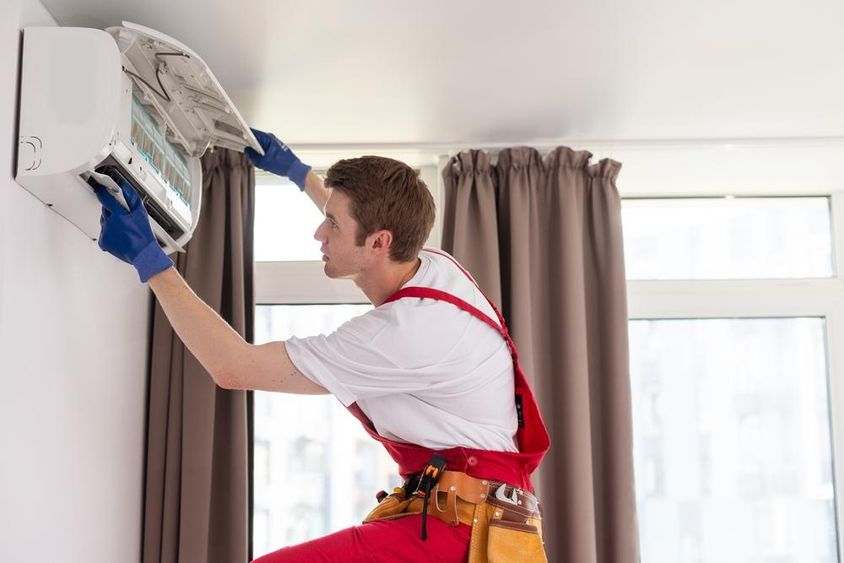
Cleaning or replacing filters is a fundamental step. A dusty, clogged filter reduces airflow, lowers efficiency, and can promote buildup of contaminants. Additionally, inspecting ducts, heat exchangers, condensate drainage, and drip trays is crucial. Improper moisture removal promotes mold formation.
Maintenance thus serves comfort, energy efficiency, and a healthier indoor environment. A cleaner system ensures better airflow, fewer unpleasant odors, and more efficient operation. This is especially vital during peak summer demand when the air conditioner is under nearly constant pressure.
What can residents do daily?
The first and foremost step is having the AC checked before peak summer use. In the UAE, maintenance before or at the start of summer helps prevent unpleasant odors, cooling issues, and indoor air deterioration. Cleaning or replacing filters regularly is critical, especially in homes with children, the elderly, asthmatics, or allergy sufferers.
It’s important to pay attention to musty, damp, or peculiar odors. If a bad smell emanates when the AC is switched on, it might indicate mold or buildup. Also, beware of signs like moisture, condensation, or stains around vents, the indoor unit, or the ceiling, as these suggest leaks or condensation problems that should not be delayed.
Experts also recommend not turning off the AC completely for extended periods during humid months. Stagnant air in high humidity creates an unfavorable environment. Setting temperatures between 26 and 28 degrees Celsius, with a fan or automatic mode, can reduce moisture buildup without overloading the system.
Home ventilation is also crucial, even if the extreme summer heat deters window opening. This isn't about extensive ventilation, but strategic air exchange when conditions permit. The goal is to prevent indoor air from becoming stale and excessively humid.
Why is this important for Dubai and UAE residents?
Dubai and the UAE's cities thrive on modern, air-conditioned lifestyles. From malls to offices and residential buildings, artificial cooling ensures daily comfort. However, this convenience also comes with responsibility. Air conditioning systems require regular checks, especially when operating for many hours daily.
Indoor air quality is no longer a secondary concern. People spend significant time indoors, so it matters what air they breathe at home, work, or school. A poorly maintained AC may not always present an obvious issue, but its effects can be palpable: fatigue, headaches, irritation, allergic symptoms, or recurring respiratory issues.
This is why in summer, AC inspections are not merely technical tasks. They concern not just the room's temperature but also ensuring that the cooled air is safe and clean. Routine maintenance, filter cleaning, eliminating moisture sources, and monitoring symptoms all contribute to making homes truly comfortable and healthier environments.
As temperatures continue rising in the UAE, the load on air conditioners also increases. It's wise for residents to reconsider when the system was last checked, the condition of the filters, and whether there have been recent strange odors, moisture, or recurring respiratory complaints at home. Prevention, in this case, is much simpler than addressing problems once mold, dirt, or poor air quality start significantly impacting daily life.
Air conditioning is indispensable during UAE's summer, but it only truly serves comfort when clean and functioning properly. Cool air alone isn’t enough: the air that families breathe daily should be as clean as possible.
If you find any errors on this page, please let us know via email.