Dubai Schools Adapt for Ramadan 2026
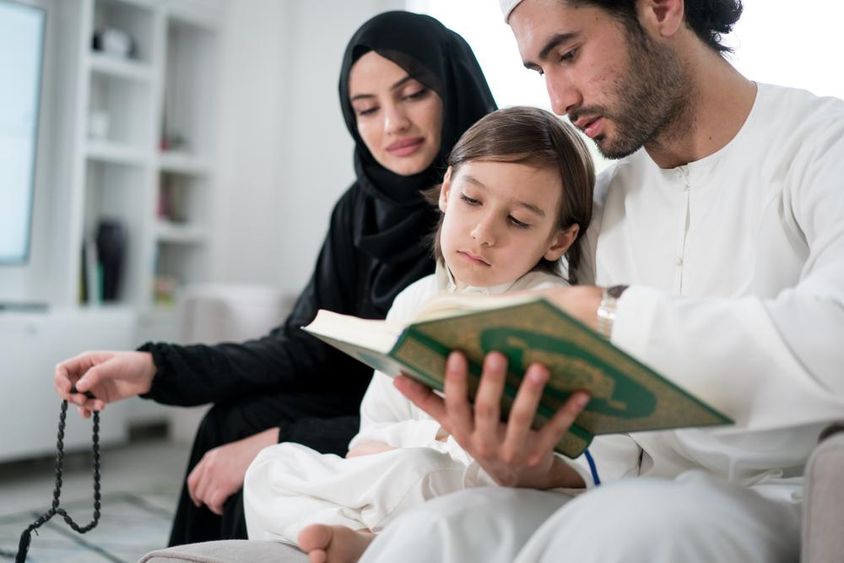
Ramadan 2026: How Dubai Schools Adapt to the Holy Month
As Ramadan 2026 approaches—expected to begin on February 19, depending on moon sighting—Dubai schools have already started preparations weeks in advance. The clear goal is to ensure the well-being of students, teachers, and families during the fasting month while maintaining the quality and continuity of education.
Why is a special schedule needed during Ramadan?
The month of Ramadan presents unique spiritual and physical challenges for those observing the fast. Abstaining from food and drink from dawn until sunset can be exhausting for both children and adults. That’s why schools promptly respond by introducing shortened school hours, often from 7:30 AM to 12:30 PM on weekdays and ending at 11:30 AM on Fridays.
This modified schedule allows students to rest properly, remain focused during lessons, and physically and mentally prepare for the evening iftar—the communal meal to break the fast at the end of each day.
Parental opinions also matter
Schools do not make unilateral decisions: almost every one of them sends surveys to parents to collaboratively find the best scheduling solutions. These questionnaires also help align transportation needs—like school bus departure times—with the altered school schedule.
This openness and flexibility enable educational institutions to truly respond to the community's real needs rather than making templated decisions.
Education does not halt during Ramadan—it transforms
While class hours are shorter, education does not suffer. Schools plan curricula, exam schedules, and submission deadlines in advance so that no significant workload remains during Ramadan. The aim is for children to participate in learning in a calm setting with increased understanding, rather than out of obligation.
Many educational institutions also adjust part of their curriculum, placing greater emphasis on values like compassion, self-discipline, patience, and empathy. Schools not only adapt to a religious period but integrate its teachings into pedagogical work.
Community building and spiritual development
Ramadan is not just a time of abstinence, but also a time of solidarity. Dubai schools understand this well and organize numerous community events during the month, such as communal iftars where teachers, students, and sometimes family members break the fast together. These events provide an opportunity to deepen cultural connections and strengthen the community.
Several schools uphold special traditions: gifting customs, secret surprise partners (“Secret Pal”), or events that evoke local traditions (such as Hag Al Laila) enliven the daily routine. These small gestures strengthen social ties among students and demonstrate that Ramadan conveys not only religious but also human values.
Support for teachers, balanced workload
Schools also pay attention to the needs of the teaching staff. Teachers are encouraged to adapt teaching material to fit the shortened class periods, avoiding excessive rush or unnecessary burdens. The Ramadan period is thus not about haste, but quality and purposeful teaching.
School administrations consider it important for teachers to work under balanced conditions, especially if they are fasting themselves. A supportive school environment is crucial not only for students but also for staff during this time.
The month of Ramadan is not a disadvantage but an opportunity
Dubai schools prepare more consciously for Ramadan each year. The flexible schedule, community events, and pre-planned educational programs aim to ensure that everyone—regardless of religious affiliation—experiences this period positively, with empathy and balance.
This approach shows that Ramadan is not an obstacle but an opportunity: an opportunity for shared learning, deepening human values, and strengthening community. A well-prepared school can shape its operations so that the holy month’s values are not merely tolerated but are organically incorporated into daily educational practice.
Dubai’s example illustrates how a religious period can become a natural part of school life—not with sacrifices, but with wise and cooperative planning.
If you find any errors on this page, please let us know via email.


