Beware of Executive Impersonation Scams in UAE
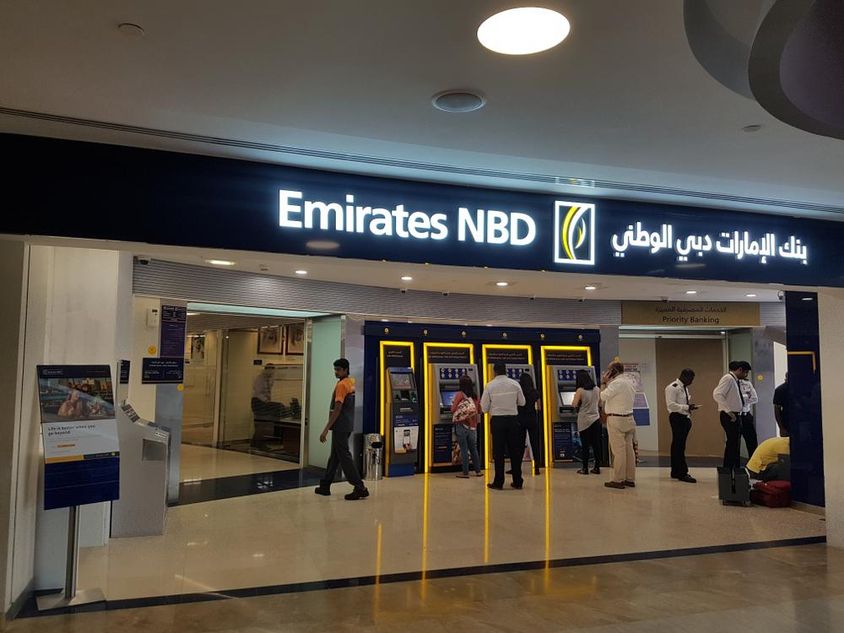
Leaders Disguised as Scammers: New Warning from One of UAE's Largest Banks
The residents of the United Arab Emirates are alerted by one of the most well-known financial institutions, following the resurgence of so-called 'executive impersonation scams'. These cunning and misleading methods primarily exploit the vulnerabilities of workplace communication, and unfortunately, they often achieve success.
Mechanism of the Scams: Impersonation and Pressure
Scammers do not randomly target individuals; instead, they aim at employees who presumably handle financial or administrative tasks in their workplaces. The method is simple yet effective: an email or message arrives that, at first glance, seems to come from a high-ranking executive, such as the CEO, CFO, or another decision-maker.
The letter or message often contains text like the following: 'I am currently in a meeting, please urgently transfer the amount to the supplier. Details attached. I will explain later.' The aim is clear: to create a sense of urgency in the recipient, thereby disabling any suspicion reflex.
Email Addresses and the Subtlety of Deception
One of the keys to these scams is using a 'similar' email address. For example, if the real address is 'companyname.com', the scammer might use 'companyname.co' or 'companyname.mail'. These modifications are hardly noticeable at first glance, especially if the recipient reads the message on a mobile phone or other small-screen device.
Another tool of deception is the style of the message: official, commanding, or exceedingly urgent tones are used, so the recipient does not dare or wish to inquire further, especially if they truly respect or fear the supposed executive.
It's Not Always About the Money
Another commonly used method is the purchase of gift cards. The message may say something like: 'Could you quickly purchase some gift cards totaling 3,000 dirhams and send the codes? They are for an important client.' In this case, scammers request digital codes which they can use immediately — without traceability.
Defense Strategies
According to the warning issued by Emirates NBD, the key to defense is caution and verification.
1. Stop and verify! If you receive any suspicious or urgently toned message, never respond immediately. Verify the sender's identity through another trustworthy communication channel — for example, call the person on their official company number.
2. Observe the email address! Often, there is just a single character difference between the real and fake address. If the address is registered with Gmail or another free service, that itself can be a warning sign.
3. Do not let urgency cloud your judgment! Scammers know how to create pressure — but it is essential to recognize that this is part of the manipulation.
4. Do not transfer money and do not purchase gift cards without approval! Even if the message seems to come from a trustworthy source. Approval according to internal policy is necessary in every case.
5. Do not click on links or reply to suspicious messages! Such emails often contain attachments or links that pose additional dangers, such as data theft or malware.
6. Report the incident! If fraud is suspected, the company's information security team or — as an individual client — the bank's fraud prevention division should be immediately informed.
Trust and Control Issues
These types of scams highlight the importance of strict internal company processes and that reliance should not be placed solely on personal trust in each transaction. Even if the executive is truly a familiar and respected individual, one should not automatically obey every request — especially not in a digital, uncontrollable form.
Modern communication tools offer speed, but they also harbor dangers. A single, thoughtless click or reply can cause significant harm — both at the corporate and personal level.
Summary
UAE's financial institutions — including Emirates NBD — rightly raise their voices on these matters. In the digital world, scammers are using increasingly sophisticated methods to scam people out of their money, and unfortunately, many still do not recognize the threat in time.
The solution lies not only in technical protection but also in human awareness. Every employee, customer, or private individual who learns to be more suspicious and does not allow themselves to be manipulated by urgency represents another obstacle for scammers. And this is a network worth building — collectively, responsibly, despite all the challenges of the digital world.
(Source of this article: Based on a statement from Emirates NBD bank.)
If you find any errors on this page, please let us know via email.