Zakat Al Fitr: Tradition Meets Modernity
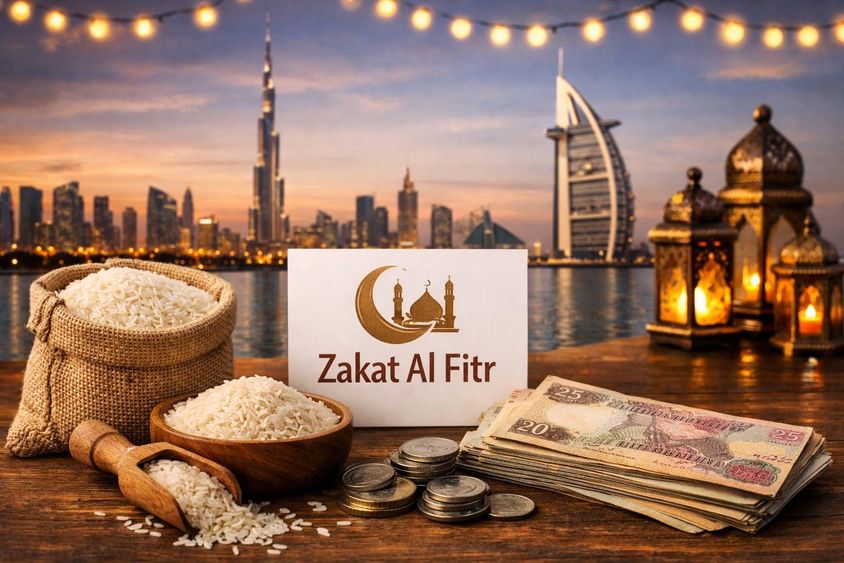
Zakat Al Fitr in Dubai: Obligation Payable in Cash by 2026
The Significance of Zakat Al Fitr in Modern Dubai
Dubai is not only a hub of economy and technology, but also a city where religious traditions and modern lifestyle closely intertwine. Zakat Al Fitr is one of the most significant examples of this, playing a crucial role every year at the end of Ramadan. This donation is not just a religious obligation, but also a social responsibility that ensures everyone can celebrate Eid Al Fitr in a dignified manner.
In 2026, a significant regulatory change was introduced: Zakat Al Fitr can now officially be fulfilled in cash, with a recommended amount of 25 dirhams per person. This decision reflects Dubai's pragmatic approach, where preserving traditions while simplifying everyday life is a key consideration.
Cash Payment: Simplicity and Efficiency
The possibility of paying Zakat Al Fitr in cash represents a major change, particularly for those seeking a quick, convenient, and accurate solution. The recommended amount of 25 dirhams provides clear guidance, eliminating the need for calculations or uncertainties.
Given Dubai's dynamic lifestyle, this approach is especially practical. A significant portion of the population uses digital payment solutions, allowing charity to be easily integrated into daily financial routines. Cash donations ensure that support quickly and efficiently reaches those in greatest need.
This system benefits not only donors but also aid organizations, as they can handle incoming funds more flexibly and align them with the greatest needs.
In-Kind Donation: Preserving Tradition
Although cash payments are increasingly popular, the traditional form remains available. Zakat Al Fitr can be fulfilled in-kind with 2.5 kilograms of rice or other basic food items per person.
This option is particularly important for those who cling to traditional practices and wish to directly contribute to the provision of the needy. Physical donations have their emotional and communal significance, as they create a tangible connection between the donor and the recipient.
In Dubai's diverse community, both forms are accepted, highlighting the city's openness and adaptability.
Who is Obligated to Pay, and for Whom?
Zakat Al Fitr is mandatory for every financially able Muslim, regardless of being male or female, young or old. The obligation does not stop at the individual level: it is the responsibility of the head of the household to fulfill the donation for every member of the family.
This means that Zakat Al Fitr must be paid for the spouse, children, and all dependents. This system ensures that all segments of society enjoy the joy of the festival and no one is left out on Eid Al Fitr day.
Due to Dubai's fast-growing and international community, this is particularly important, as many families with different backgrounds but shared responsibilities live here.
The Purpose Behind the Decision: Social Balance
Allowing cash payment is not merely a matter of convenience. The underlying goal is clear: to ensure that those in need receive adequate support during the celebration.
One of the most important roles of Zakat Al Fitr is to ensure that everyone has basic provisions on Eid Al Fitr day. This is not just about food, but also about ensuring no one feels excluded at a time that is about joy and community.
Dubai sets an example in this regard: the regulation respects both religious prescriptions and the challenges of modern life.
Digital Charity and Future Trends
Dubai, with one of the most advanced digital infrastructures, unsurprisingly sees charity increasingly moving online. Cash payments for Zakat Al Fitr can easily be integrated into mobile applications, online platforms, and automated payment systems.
This trend is expected to further strengthen in the future. People increasingly seek immediate, transparent, and trackable solutions to ensure that donations actually reach the right place.
Digitalization does not diminish the importance of Zakat Al Fitr; rather it elevates its efficiency and accessibility to a new level.
Summary: Balance of Tradition and Modernity
The 2026 change clearly shows that Dubai is capable of striking a balance between tradition and modernity. Zakat Al Fitr remains a required religious practice with deep meaning, yet the option of cash payment opens a new dimension.
The recommended amount of 25 dirhams provides straightforward guidance, while in-kind donation retains traditional values. This duality allows everyone to fulfill this important obligation in a way that suits their individual situation.
In this case, Dubai demonstrates that development and tradition are not mutually exclusive. Quite the opposite: they together create a system that is effective, fair, and people-centered.
If you find any errors on this page, please let us know via email.