Gulf Region Aviation Safety on High Alert
Aviation Safety Tensions in the Gulf Region
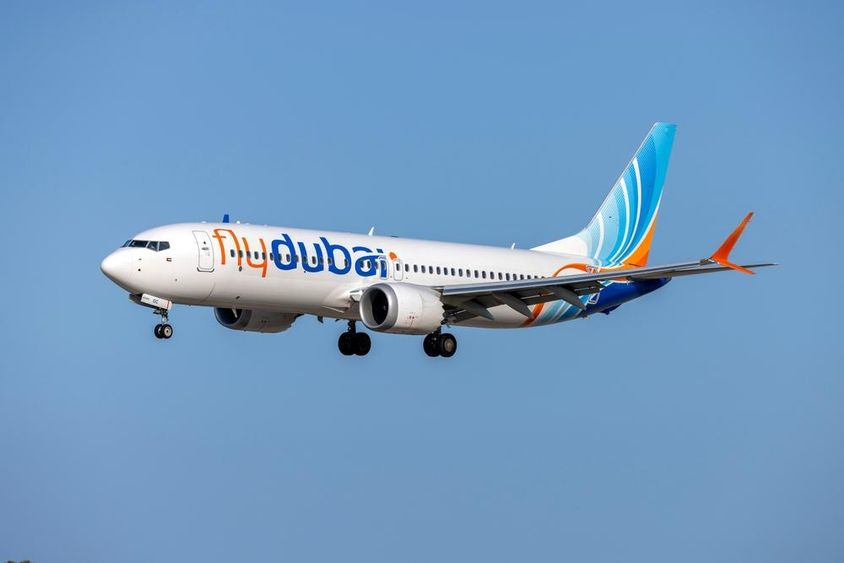
The Middle East air travel is once again in a sensitive situation after Iranian drones struck the Kuwait International Airport. The attack resulted in the death of one person, multiple injuries, and forced several airlines in the region to take immediate measures. Dubai-based flydubai announced the cancellation of its flights to and from Kuwait, while maintaining operations towards Bahrain as per the schedule.
The incident occurred during a particularly sensitive period, as a fragile calm had developed in the Gulf region in recent weeks. Although a previously announced ceasefire temporarily reduced tensions, these recent attacks signal a new escalation. This is significant for air travel since airports are not only transport hubs but also strategic infrastructures that directly impact passengers, airlines, cargo transport, and the region's economy.
Cancellation of flydubai's Kuwait Flights
According to flydubai, flights to and from Kuwait on June 3 were canceled. The decision was made immediately following the drone attack on Kuwait International Airport. The airline emphasized that it continuously monitors the situation and adjusts the schedule based on current security conditions.
Such practices are not unusual in international air travel, especially when an airport or its surroundings are under a direct security threat. In such cases, airlines prioritize the safety of passengers, crew, and aircraft. While flight cancellations are inconvenient and often cause significant disruptions for passengers, caution is essential in situations related to war or armed conflict.
Flydubai also noted that it is in direct contact with those passengers whose travel plans are affected by the change, providing accommodation if necessary. This is particularly important for those traveling to Kuwait for transfers, business trips, family visits, or urgent matters.
What Happened at the Kuwait Airport?
According to available information, multiple Iranian drones hit the Kuwait International Airport on June 3. The attack killed one person and injured at least 63. The situation was further exacerbated by Iran launching missiles and drones the day before, which were intercepted by Kuwait's air defense.
Kuwait's civil aviation authority activated an emergency plan at the airport. As part of this, some flights were suspended, while others were diverted to alternative airports. In such a case, airport operations can change rapidly: boarding, baggage handling, airspace usage, and ground services may become limited.
Kuwait Airways also announced it would cease operations following the attack. Additionally, the Kuwait National Bank's airport branches at terminals 1 and 4 temporarily closed. This demonstrates how the attack's impact extended not only to aviation but also to airport services and on-site passenger handling.
UAE Strongly Condemned the Attacks
The UAE strongly condemned the attacks on Kuwait, describing them as terrorist attacks. The official stance is that such actions violate Kuwait's sovereignty and threaten the country's security and stability.
The UAE's reaction is not surprising, as the security of the Gulf countries is closely interconnected. The region's countries are interdependent economically, commercially, energetically, and in terms of transport. An attack on an airport appears not as an isolated event but as a development affecting the overall regional security situation.
For Dubai and the UAE, aviation is of paramount importance. Dubai functions as an international aviation hub, and tourism, trade, logistics, and business travel play a significant role in the country's economy. Therefore, any event affecting the Gulf region's aviation security receives immediate attention.
Operations Continue Towards Bahrain
While flydubai canceled its Kuwait flights, the airline indicated that operations towards Bahrain are continuing as usual. This is noteworthy because there have been reports of renewed attacks in the Bahrain region, but according to the airline's current assessment, suspending flights there is not yet justified.
Airlines' decisions are always based on risk assessment. It is not enough to simply check if a security incident occurred in a country. The operational status of the airport, airspace safety, ground service conditions, official instructions, and current intelligence, and security assessments must also be considered.
However, passengers are urged to check the status of their flights even if services to their destination have not officially been suspended. The situation may change rapidly, especially if new attacks or airspace closures are announced.
What Should Affected Passengers Do?
Flydubai has asked passengers to regularly check the flight status and operational updates before departure. This is especially important for those planning to travel to Kuwait or other sensitive points in the region. The airline also emphasized that passengers should ensure their contact details are updated in the booking system.
In practice, this means passengers should log into the booking management platform, verify their phone number and email address, and pay attention to the airline’s official notifications. Those already at the airport should turn to the airline's customer service or the airport information point.
In the case of flight cancellations, passengers usually have several options: rebooking on a later flight, choosing an alternative route, or in some cases, a refund. The exact options depend on the airline's policy, the ticket type, and the specific circumstances of the extraordinary situation.
Other Airlines Took Steps as Well
The situation affected not only flydubai flights. One of India's major airlines also suspended its flights to and from Kuwait until June 4. This indicates that international airlines are also handling the Kuwait situation cautiously.
Kuwait Airways ceasing operations is a particularly serious signal, as the national airline's decision directly reflects the assessment of local authorities and aviation safety bodies. When a country's national airline suspends its operations, it generally means that the airport and airspace security environment cannot temporarily be considered adequately stable.
For the region, this can cause disruptions in cargo transportation, business trips, and family travels. There is significant daily passenger traffic between Kuwait, Dubai, Bahrain, and other Gulf cities. Much travel occurs for short business trips, transfers, or family visits, so the loss of a single airport has noticeable effects.
Fragile Calm Followed by New Escalation
The Gulf region experienced relative calm since a fragile ceasefire was announced on April 8. However, these recent attacks indicate that the security situation remains unpredictable. A drone attack on an airport is a particularly serious development, as it directly endangers civilian infrastructure and travelers.
Geopolitical tensions in the region are not limited to a single country. Middle Eastern conflicts often appear on multiple fronts, and aviation quickly reacts to any event affecting airspace or airport security. The recent strikes in Lebanon also show that tensions remain significant in the region despite diplomatic agreements.
For passengers, this means that while making travel plans, attention must also be paid to security news. Flight statuses, airport operations, and airspace usage between countries can change even within hours.
Why Is This Important for Dubai?
Dubai is a global aviation hub. Besides being a tourist destination, the city is an important business and transfer point. Flydubai's role is particularly significant on regional routes, connecting numerous Middle Eastern, South Asian, and African destinations with Dubai.
If an airport in a neighboring country comes under attack, it becomes an immediate operational issue for Dubai. Airlines must review routes, crew schedules, aircraft availability, and passenger rebooking options. Potential airspace restrictions can lead to longer flight times, increased fuel consumption, and scheduling delays.
One of the key lessons from the current situation is that air travel safety always takes precedence over schedules. A canceled flight is inconvenient, but in an uncertain security environment, it is the responsible decision. Flydubai's cancellation of its Kuwait flights is part of this safety logic, while the continuation of operations towards Bahrain shows that the airline assesses risks per destination.
Uncertain Days for Regional Air Travel
Following the attack on Kuwait International Airport, the Gulf region's air travel is under heightened attention. Flydubai's cancellations, Kuwait Airways ceasing operations, and restrictions by other international airlines all indicate that the situation is severe and rapidly changing.
Passengers now need to be particularly careful not to set out for the airport out of routine. Before each trip, the flight status, route, airline notifications, and booking information must be checked. Anyone planning to travel to Kuwait, Bahrain, or other countries in the region must consider that the schedule may change within a short time.
In the coming days, the most important question will be whether further escalation can be prevented and if safe airport operations in Kuwait can be restored. Until then, airlines are expected to continue acting cautiously, making decisions about flight operations or cancellations based on official and safety assessments.
These events are a reminder of how sensitive modern air travel is to geopolitical tensions. For Dubai and the entire UAE, regional stability is not only a diplomatic matter but a fundamental requirement for everyday travel, tourism, and economic relations.
If you find any errors on this page, please let us know via email.


