When Voting Is a Costly Affair
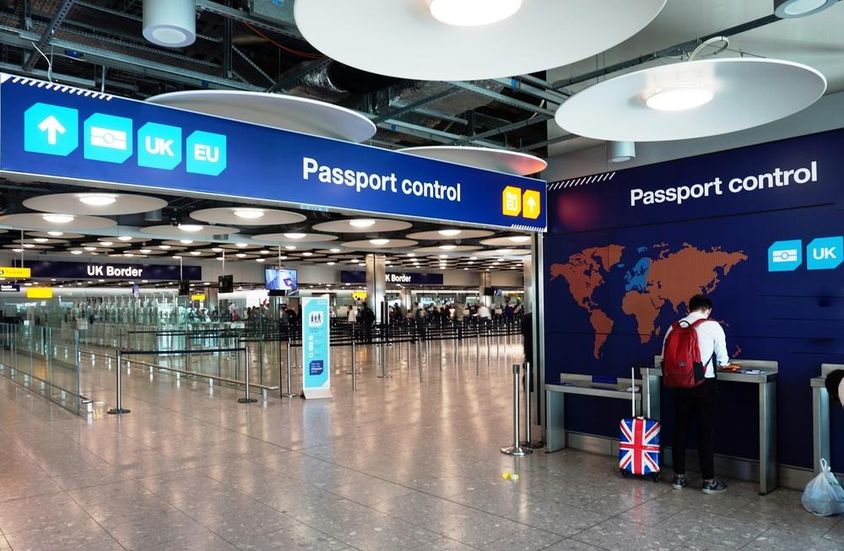
The Cost of Voting: Democracy Pricier Than Ever
One of the most intriguing phenomena in recent times has been the willingness of many expatriates living in the United Arab Emirates to pay substantial amounts just to participate in the political life of their home countries. For communities residing in cities like Dubai and other emirates, elections are not just events, but moments that define their identity and ties.
This year's election period particularly highlighted the cost of democratic participation. Some are willing to spend thousands of dirhams on a single flight ticket, even as travel itself is fraught with uncertainties due to the current regional situation.
More Than Travel: Duty and Identity
For expatriate communities, voting is not merely an administrative act. It's more of a moral obligation that connects them to their homeland. Those who have lived and worked in the Gulf region for decades often feel that participating in elections is the only direct way to influence the future of their homes.
This connection is especially strong for those who regularly follow political processes and prepare consciously for elections. For them, participation is non-negotiable, even if it means significant financial sacrifice.
Rising Airline Ticket Prices and Limited Flights
One of the biggest challenges of the current situation is the drastic increase in airline ticket prices. The number of flights between the United Arab Emirates and India has decreased, immediately impacting prices. However, demand has not decreased proportionately, as many are committed to participating in elections in person.
As a result, prices have risen to levels that create serious decision-making situations for many families. For a large family, travel costs can easily reach the amounts they would typically spend over a longer period under different circumstances.
Alternative Routes and Compromises
Due to high prices, many are seeking creative solutions. Some do not fly directly to the destination but arrive in other cities and continue their journey overland or with domestic flights. This solution is more time-consuming and often less comfortable but can result in significant savings.
Others, however, are forced to forgo the trip. This is a particularly difficult decision for those who have never missed an election. This year, therefore, lower participation is expected among expatriates, which could have political consequences in the long run.
Community Initiatives Decline
Previously, community organizations played a vital role in helping expatriates travel home. They organized charter flights and offered group solutions that reduced individual costs.
However, these initiatives have largely fallen by the wayside this year. Due to the uncertain environment and limited capacities, many organizations have not undertaken the risk of organizing. This has further increased the burdens on individual travelers, who are entirely exposed to market prices.
The Real Cost of Democracy
The willingness to pay a significant amount for a vote demonstrates the value that democratic participation holds for individuals. However, it also raises an important question: how fair is a system where participation depends so heavily on financial means?
Those who cannot afford the travel are practically excluded from decision-making. This can distort election results in the long term, as not all social groups are represented proportionally.
The Future Question: Digital Solutions or Status Quo?
The current situation draws attention to alternative voting options once again. Online or remote voting could offer a solution for many, but it raises numerous security and legal questions.
Until these systems become widely accepted, physical presence remains the only sure way for expatriates to participate. This, however, continues to entail significant costs.
Conclusion
The example of those living in Dubai and other cities in the United Arab Emirates highlights that democracy is not equally accessible everywhere. In some places, a vote can cost thousands of dirhams and require significant organization.
This year's election period has illuminated the complex relationship between global mobility and political participation. While the world becomes increasingly connected, democratic processes remain strongly tied to physical presence.
The question remains whether solutions can be found in the future that provide more equal access for all, or whether the voices of those who can afford the cost of participation will continue to be stronger.
If you find any errors on this page, please let us know via email.


