UAE's Transformative Lessons From 2024 Floods
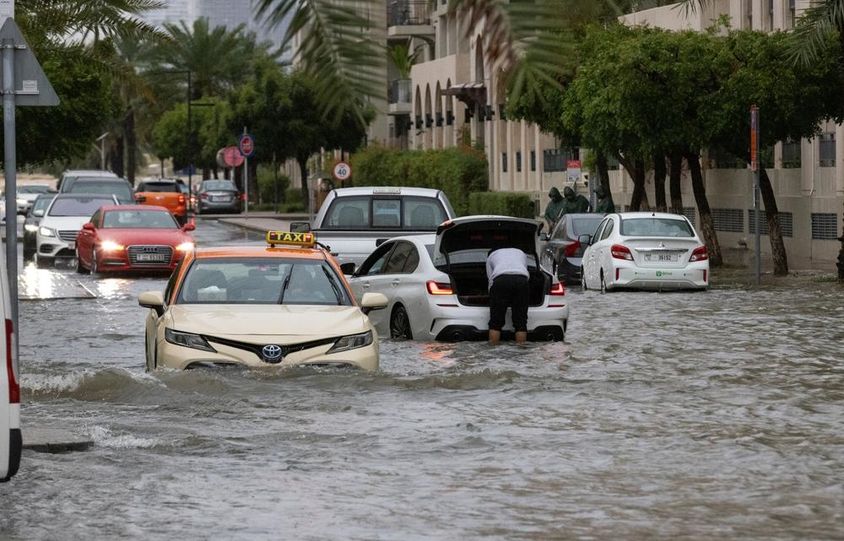
UAE Floods 2024: Lessons Learned From Torrential Rains
In April 2024, the United Arab Emirates was hit by an extraordinary weather event that remains a talking point nationwide: the heaviest rains in 75 years struck, with over 250 millimeters of precipitation falling in just 24 hours. Following the disaster, not only the infrastructure, but also the public's attitude has fundamentally changed. The principle of "better safe than sorry" has become pivotal when it comes to weather warnings. From Dubai to Ras Al Khaimah, people now take meteorological alerts seriously—and with good reason.
The Shadow of the Disaster Still Lingers
The 2024 floods shook the entire country. The most affected residential communities still remember the waterlogged streets, immobilized vehicles, closed underpasses, and long, wet hours endured by motorists stranded along roadways. One such area was the Al Qudra corridor in Dubai, where a heightened focus on drainage and preventive measures remains in place.
According to a resident of the area, every forecast is now taken seriously, and the authorities send out extra personnel even at the smallest chance of rain. Sewage transport trucks arrive within a few hours to prevent any further flooding.
The Proximity of Nature's Power
Many people enjoy exploring the UAE's scenic locales, especially the wadis (dry, rocky riverbeds) that attract those eager to witness spectacular waterfalls after it rains. However, the events of April 2024 have shown that these places can become severe hazards. On a rainy day, some decided to head towards Dhaid, only for the rain to pour down upon their arrival, quickly flooding the area and causing a flash flood.
The experience was dramatic, and although they got home safely, they have yet to share the story with their families. Since then, they have been much more cautious: they do not venture out in the rain, do not seek waterfalls in the mountains, and rely on credible sources for current weather information. The memory persists within them—as a lesson life has taught.
Technology and Prevention: System Changes
Authorities across Dubai and other emirates have implemented significant advancements in recent times. The National Meteorological Center (NCM) now not only issues forecasts but also sends active warnings to residents via mobile phone. These messages include specific instructions: avoid coastlines, low-lying areas, and watercourses.
The Dubai Police also send direct notifications—these have become routine before any significant weather event. Not only Dubai residents receive these alerts, but also those in areas such as Ras Al Khaimah, especially when stormy weather or flash floods are predicted.
Cautiousness in Business and Personal Life
Companies have also learned that flexibility must go hand in hand with planning. A company in Dubai, for example, prepared for an outdoor annual meeting weeks in advance, but due to rain forecasts, secured an indoor venue within the same hotel. This would have been unimaginable before—the rain was once at most a minor inconvenience, not a reason to reschedule.
Businesses, restaurants, hotels, and even schools handle the weather more flexibly and share official weather alerts on digital billboards and social platforms.
Psychological Impact: Fear or Discipline?
The 2024 flood left not just physical but psychological marks. People no longer see rain as a neutral phenomenon. A kind of anxiety, uncertainty accompanies it, particularly if it persists or dense clouds gather. On social media, the question increasingly appears: "Will this be like April again?" Weather experts try to reassure, but acknowledge: the events of April 2024 were unique, yet they could recur.
Community Cooperation, Awareness, and Responsibility
The good news is, the UAE population has learned remarkably quickly from the events. Authorities communicate more transparently, and residents behave more responsibly. Staying home on a rainy day is no longer taboo, and carrying spare food or waterproof shoes in the car is not considered an overreaction.
Communities support each other: sharing information, checking the neighborhood's state, and offering help if someone is in trouble. The shared experience, however difficult it was, has made residents stronger and more cohesive.
Conclusion: Nature Warned, Humanity Learned
The 2024 flood was shocking, but also an opportunity for growth. Dubai and the whole UAE reacted with exemplary speed and efficiency. Today, residents are not just consumers of weather information but active participants in prevention and responsible decision-making. This attitude will be key so that a similar natural disaster in the future is met with an organized response, rather than surprise. Because the real lesson is not fear, but preparedness.
(The article is based on sources from the United Arab Emirates National Meteorological Center (NCM).)
If you find any errors on this page, please let us know via email.


