Temporary Uptick in UAE Vegetable Prices
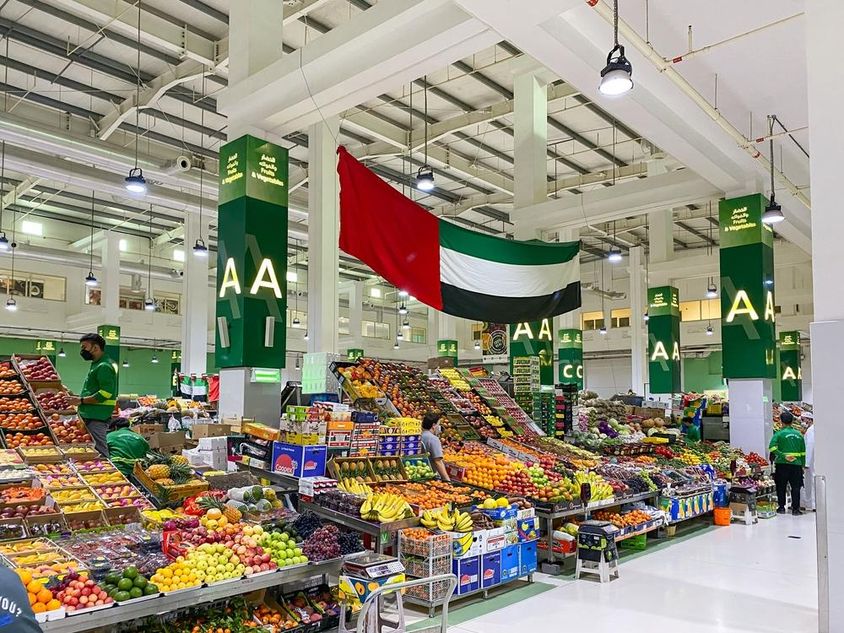
Temporary Surge in Vegetable Prices in the UAE
Short-term Price Increase at Markets
In the past two days, a temporary surge in vegetable prices has been noted at several markets in the United Arab Emirates. This phenomenon has predominantly affected tomatoes and onions, which are staple ingredients in everyday cooking. Such changes are quickly noticeable to consumers, as these foods regularly appear in almost every kitchen. However, authorities have quickly indicated that this increase is a short-term market reaction, and its management is already underway.
Initial reports suggest that the price increase is not a lasting trend but a result of temporary market adjustments. The supply system remains stable, and most food items are readily available in stores and major retail chains. Therefore, the market's operation is not at risk; we are merely witnessing a short-lived fluctuation.
Geopolitical Effects in the Region
One primary reason for the temporary price increase is the geopolitical situation that has developed in the region. When tensions arise in a region, they can impact trade and logistics processes as well. Shipping routes may be altered, delivery schedules can change, and this may temporarily reduce the supply of certain products.
These impacts, however, are typically short-lived. Modern trade systems respond quickly, and supply chains can adapt to new circumstances. The United Arab Emirates has particularly strong international trade relationships, allowing them to swiftly source missing quantities from other suppliers.
Quick Response from Authorities
To maintain market stability, the authorities have immediately initiated enhanced checks at various points across the country. These checks extend to supermarkets, wholesale markets, and retail stores alike. The objective is to prevent unjustified price hikes and ensure compliance with consumer protection regulations.
Special supervision teams conduct the inspections, examining store operations on a daily basis. Inspectors monitor pricing, stock levels, and whether retailers follow stipulated rules. If irregularities are detected, the authorities take immediate actions.
Regulated Basic Foodstuffs
Several essential food items in the country fall under strict pricing policies. This includes cooking oil, eggs, dairy products, rice, sugar, poultry, legumes, bread, and wheat. Prices of these products cannot be freely increased.
If a retailer or supplier wishes to apply a price increase to these items, it can only be done with prior approval. Requests are evaluated by a dedicated national committee that decides if an increase is justified. This system ensures that the prices of basic food items remain stable even during economic or geopolitical uncertainty.
Role of Strategic Reserves
The United Arab Emirates holds significant strategic food reserves. These reserves can cover the population's basic food needs for up to six months. This is a key factor for market stability.
Strategic reserves enable the country to react swiftly to unexpected situations. If an import route is temporarily interrupted or delayed, the reserves allow the market to continue operating smoothly. This system is particularly important for a nation that imports a significant amount of food.
Continuous Checks at the Markets
Since the onset of the regional crisis, authorities have conducted thousands of inspections at various markets across the country. These checks serve to protect consumers and ensure retailers do not exploit the situation.
During these inspections, hundreds of violations have been uncovered. In most cases, there were unjustified price increases that violated consumer protection regulations. In such cases, authorities issue warnings, fines, or other sanctions.
The inspections continue, and the supervisory system will actively monitor market operations in the future as well.
Stable Supply Chains in the Country
Authorities emphasize that the importation of goods into the country remains undisturbed. Ports, airports, and land border crossings are operating normally, ensuring that imported products continuously reach the markets.
The country has a wide international supplier network. This means that food products come from multiple different countries, so the loss of a single supplier does not cause serious supply problems. The flexibility of the system is one of its greatest advantages.
Authorities state that the current situation is a good example of how quickly supply chains can adapt. Despite increased demand and temporary supply changes, the markets stabilize within a short period.
No Need for Concern Among Consumers
Official statements confirm that fundamental foodstuffs remain abundantly available in the country. Consumers can choose from numerous alternative products, and store shelves continue to be well-stocked.
Authorities emphasize that the temporary vegetable price surge does not pose a long-term issue. With the arrival of new shipments, supply will increase, which is expected to restore prices to usual levels within a short period.
The United Arab Emirates' food security system is precisely designed to manage such situations effectively. Strategic reserves, the international supplier network, and the stringent inspection system together ensure that the market remains stable even during uncertain times.
Recent events, therefore, represent more of a short-lived market fluctuation than a serious economic problem. Market operations are stable, supply is ongoing, and all indications are that prices in the United Arab Emirates will return to normal levels shortly.
If you find any errors on this page, please let us know via email.


