UAE's Rising Remittances: Money Movement Trends
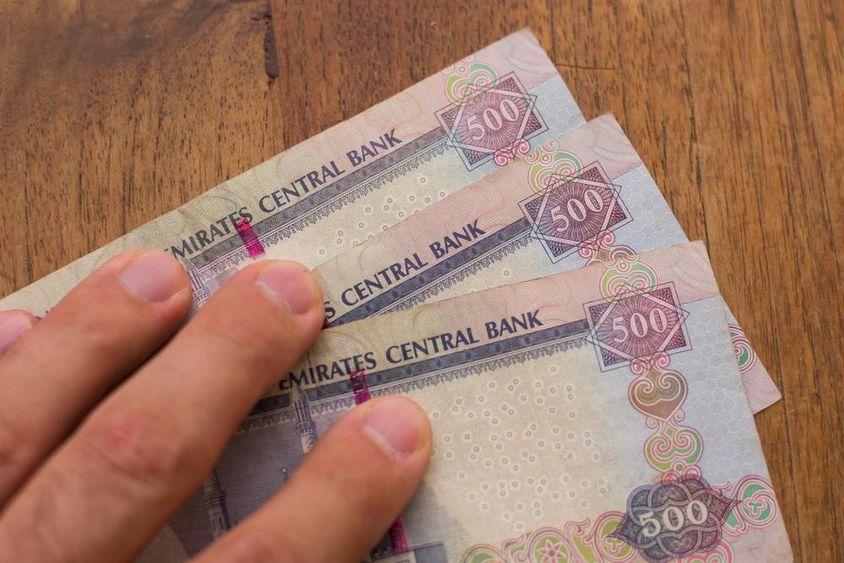
Why Are Foreigners Sending More Money Abroad from the UAE in Early 2026? – Exchange Rates, Habits, and a Transforming Financial World
The United Arab Emirates, particularly Dubai, has been one of the world's major financial and labor market hubs for years. Millions of foreigners work here, regularly sending money home to their families. This process is not new, but the first quarter of 2026 brought an interesting change: the amount of remittances to certain countries slightly increased. The primary reason behind this is not economic boom or wage growth, but a much more prosaic yet crucial factor: the exchange rate.
Exchange Rates Drive Decisions
Exchange rates have always been one of the main drivers of remittance habits. For instance, in January 2026, the Indian rupee weakened to a historic low against the US dollar. Since the UAE dirham is pegged to the US dollar, this directly affects how much a foreign worker in Dubai “gets” for the same amount back home.
To put it simply: when the home currency weakens, the same amount of dirham becomes more local currency. This serves as an immediate incentive. It’s no surprise that many took advantage of this situation early in the year and moved their remittances forward.
This phenomenon shows that sending money is no longer a fixed monthly routine, but a conscious financial decision that more and more people are timing.
Advance Remittances and a “Flatter” March
In previous years, March has often been a strong month for remittances. However, in 2026, an interesting shift occurred. February's activity spiked, while March became a bit more subdued.
This does not indicate a decrease in demand, but rather that people were responsive to the market situation. When the exchange rate was favorable, they did not wait for the 'usual time' but acted immediately. This reflects a much more mature financial behavior than we’ve seen before.
Dubai's financial ecosystem supports this flexibility: fast remittance systems, mobile applications, and instant transactions allow anyone to respond to market changes in minutes.
Not All Markets Respond the Same Way
While India and Pakistan continue to dominate the list of remittance destinations, other regions behave differently. For example, towards the Philippines, remittances globally decreased during a specific period, indicating that besides exchange rates, other factors play a role.
These can include the local economic situation, shifts in the labor market, or even the financial needs of families. Therefore, remittances do not react uniformly worldwide; they are always part of a complex picture.
More Frequent, Smaller Transfers – A New Habit Emerges
One of the most interesting trends in 2026 is that foreigners are sending smaller amounts more frequently. This is a sharp shift from the previous practice where many sent larger sums once a month.
There are several reasons for this. Firstly, the spread of digital solutions has significantly reduced the cost and time of transactions. Secondly, families' financial needs have changed: continuous support is often more practical than a larger, one-time sum.
Dubai is at the forefront of this as well. The modern financial infrastructure allows for international transfers to be initiated from a mobile phone with just a few clicks.
Exchange Rate Fluctuation: Risk or Opportunity?
For many, exchange rate fluctuations represent uncertainty, but for conscious users, it’s more of an opportunity. When the home currency weakens, the value of transfers increases, and more people recognize this.
This type of financial awareness is particularly characteristic of those who have lived in Dubai for a longer time. They not only work and earn money but actively monitor the economic environment as well.
Such decisions can make a significant difference in the financial situation of a family in the long term.
The UAE as a Global Remittance Hub
The UAE's role in the global remittance market is unquestionable. It is characterized by a stable economy, a strong regulatory backdrop, and advanced technological infrastructure. This combination makes it one of the world's most important “remittance hubs.”
Dubai particularly stands out in this system, not just because of the workforce, but also because the most advanced financial services are concentrated here. This means security and speed for those who regularly send money home.
What Does This Mean for the Future?
The first quarter of 2026 clearly shows that remittance habits are evolving. The role of exchange rates is strengthening, digital solutions are spreading, and users are becoming more conscious.
In the long run, this may result in traditional, fixed-time remittances disappearing, replaced by a much more flexible, market-driven system.
In this process, Dubai is not only following the trends but shaping them as well. Foreigners working here could be the primary beneficiaries of this change if they can adapt and take advantage of the opportunities.
Summary
The amount of money sent home by foreigners is not random. Exchange rates, digital development, and financial awareness together shape the trends. Early 2026 was a period when these factors acted simultaneously, resulting in increased activity in certain markets.
Perhaps the most important lesson is that sending money is no longer just a necessity but a strategic decision. And in this decision, Dubai continues to play a key role on the world map.
If you find any errors on this page, please let us know via email.


