UAE's Eco-friendly Shift: Plastic Ban 2026
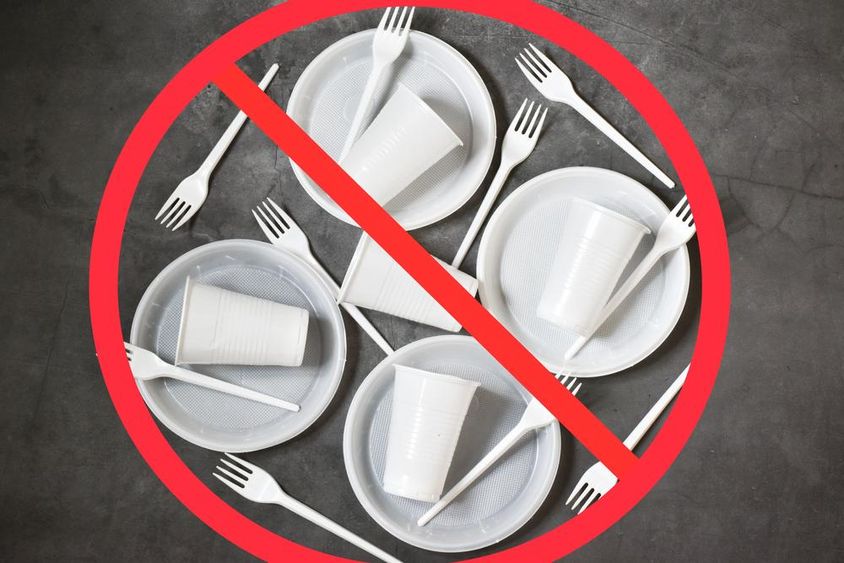
The Phaseout of Single-Use Plastics in Catering - What to Expect in 2026?
January 1, 2026, marked a turning point in the sustainability efforts of the United Arab Emirates, as the second phase of the ban on single-use plastics began. Although the stricter phase of the regulation has just come into effect, many eateries and catering venues had prepared for the changes months in advance. They were motivated by both the compliance with regulations and the increasing environmental consciousness of customers.
Why was the change necessary?
Single-use plastics – like foam cups, cutlery, straws, and bags – have caused serious environmental concerns worldwide due to their long-term impacts. The effects on marine life, the spread of plastic micro-particles, and waste management issues have prompted many countries to tighten their regulations. The UAE launched this directive in 2022 with Ministerial Decision No. 380 to promote sustainability and a circular economy.
Dubai especially leads in initiatives. The implementation council's decision, approved by Dubai's Crown Prince, regulates the use of single-use products across the emirate, including hospitality, retail, and transportation.
Steps in Practice for Transition
Many smaller eateries stopped procuring single-use plastics as early as November 2025. After exhausting existing stocks, they no longer ordered foam cups, plastic cutlery, or straws. Some places switched to paper cups, wooden utensils, and reusable serving solutions, particularly for on-site consumption, while take-out food is offered in biodegradable or recyclable packaging in accordance with the regulations.
According to a report from a Sharjah diner, the early transition allowed staff to learn new procedures in a calm environment, whether trying new suppliers, adjusting service methods, or communicating with customers. Although there were some hiccups initially, mainly due to the costs of new tools, the majority of customers welcomed the change positively. Many were pleased that the diner switched to plastic-free operations ahead of time.
New Packaging Practices for Home Delivery
The shift is also noticeable in online food orders. For example, another Sharjah restaurant replaced plastic food containers and bags entirely. They now use sturdy, food-grade cardboard boxes that comply with the 2026 ban requirements. Customers have adapted to no longer receiving food in plastic bags, and the absence of included utensils does not come as a surprise.
Employees involved in delivery reported that most customers quickly adapted to the new system. Suppliers also responded to the regulations in a timely manner: as demand for traditional plastic packaging decreased, more alternatives emerged in the market, making the transition manageable from a logistical perspective.
Reactions and Adaptation of Guests
Public reaction was surprisingly swift. Many noted that they no longer received plastic utensils with home-delivered meals, but this did not cause disruptions. Furthermore, regular customers appreciated being served in an environmentally friendly manner. Thus, the change not only necessary sends a positive message: diners and restaurants can jointly contribute to a cleaner, more sustainable future.
What More Can We Expect in the Future?
The second phase of the single-use plastics ban is just one stop in the UAE’s long-term environmental strategy. More products are expected to be blacklisted, and the regulations will extend to other industries as well. The clear aim is to reduce non-recyclable waste and promote the spread of alternative, eco-friendly solutions.
Based on the experiences of the catering industry, it can be said that the key to successful transition lies in preparedness, ensuring supplier support, and educating both staff and guests. Restaurants that acted in time gained a competitive advantage as they did not have to hurriedly adapt to the regulations.
Summary
The second phase effective from January 1, 2026, is a milestone in the UAE’s series of environmental measures. The example set by catering venues shows that sustainability is not only a matter of regulation but also of business mindset. Forethought, awareness, and honest communication with customers have helped the transition. The elimination of single-use plastics is not only an environmental issue but part of social responsibility that, in the long run, benefits everyone – be it restaurant, consumer, or nature. Dubai and the entire UAE have thus taken another step toward a more sustainable future.
(The article is based on regulation.)
If you find any errors on this page, please let us know via email.