UAE Sugar Tax Sparks Beverage Market Shift
The Impact of the UAE Sugar Tax: A New Era Begins in the Beverage Market
The United Arab Emirates' new sugar tax regulation came into effect on January 1, 2026, and has already brought noticeable changes in the purchasing habits of the population, the manufacturers' product portfolios, as well as the offerings in stores. The aim of the new model is to support health-conscious decisions and reduce the health risks associated with excessive sugar consumption. As a result, more people are seeking beverages with little or no added sugar, while sales of high-sugar products are declining.
What is new in the tax system?
Previously, a uniform excise tax of 50 percent applied to all sweetened beverages. However, the new system much more finely nuances product tax burdens: it determines the tax rate based on an incremental volumetric model according to actual sugar content.
The current regulation introduced the following three tiers:
0 dirhams/liter: if the product contains only natural sugars or less than 5 grams of added sugar per 100 ml.
0.79 dirhams/liter: if the added sugar content is between 5 and 8 grams per 100 ml.
1.09 dirhams/liter: if the product contains at least 8 grams of added sugar per 100 ml.
Pure artificial sweeteners or beverages containing exclusively natural sugars are not subject to excise tax. In practice, this means that, for example, a low-sugar soda can be much cheaper than a classic sweetened carbonated drink.
How has the market reacted?
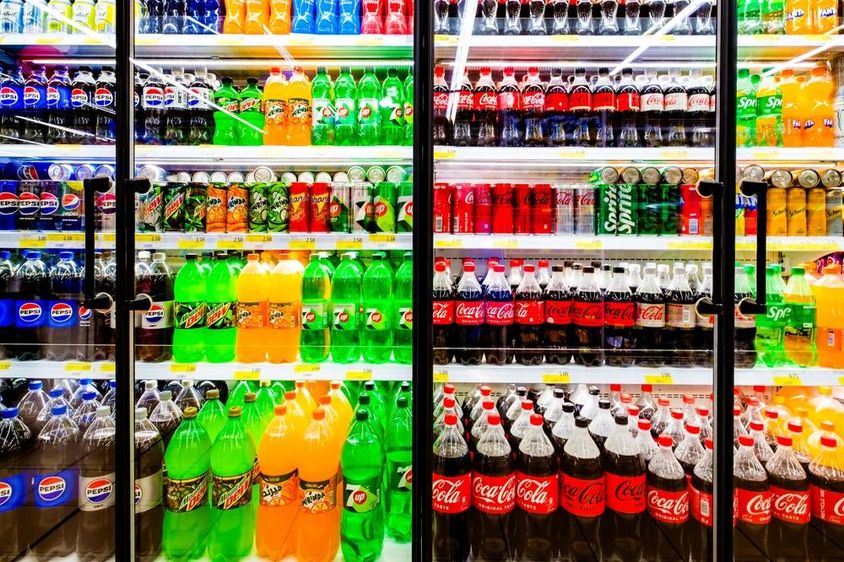
Consumers have been sensitive to price changes. It is noticeable in stores that the sales of high-sugar drinks have fallen, while the demand for low or no sugar drinks has significantly increased. Some consumers react in a price-sensitive manner, while others consciously choose healthier alternatives — the two trends strengthen each other.
Manufacturers and distributors have quickly adapted to the changes. More and more companies are deciding to reduce the sugar content of their drinks or launch new product lines that already belong to the more favorable tax band. This is not just a market compulsion but also an opportunity to build a healthier brand image and reach new consumer groups.
Health consciousness in focus
Clear health policy goals stand behind the new tax model. The UAE government has recognized that the improvement of the population's dietary habits is crucial in preventing chronic diseases such as diabetes, obesity, and cardiovascular issues. Reducing sugar consumption is one of the fastest and most effective steps in this direction.
Families, especially households with children, are increasingly opting for low-sugar or naturally based drinks. They are influenced not only by prices but also by an increasing sense of responsibility toward health. This trend is especially important as it can reduce long-term pressure on the healthcare system.
Changes for manufacturers and retailers
The new tax system not only transforms prices and consumer decisions but also poses serious administrative challenges for manufacturers, importers, and distributors. The sugar content of products must be verified with certified laboratory reports to ensure accurate taxation.
Furthermore, all concerned businesses must update their product registrations in the excise system, unify labeling, import documentation, and inventory records. Transparent and consistent administration is essential, especially during potential official inspections.
Who benefits from the new model?
The biggest winners of the new sugar tax system are consumers, especially those who already lead a health-conscious lifestyle. Thanks to reduced tax burdens, these beverages have become cheaper, thus more accessible to broader social strata as well.
The other benefitting group is manufacturers who can rapidly respond to the regulation and apply a flexible product development strategy. Launching new products, reformulation, or modifying existing recipes is now not just a competitive advantage but a necessity.
Looking ahead: A new balance is born
The UAE sugar tax extends beyond mere revenue enhancement. It is a well-thought-out regulatory step that takes social impact into account and, in the long term, may contribute to the spread of a health-conscious lifestyle. By encouraging sugar consumption reduction and providing incentives for lower-sugar products, a new market dynamic is emerging.
This change impacts manufacturers' strategies, store shelf displays, and — not least — consumer decisions. Therefore, the introduction of the new regulation marks a milestone not only economically but socially as well in the United Arab Emirates, and it could set an example for other countries as well.
Summary
The 2026 sugar tax change is radically transforming the UAE beverage market. As a result of the new incremental model, consumers are increasingly seeking healthier alternatives, while manufacturers are responding by transforming their offerings. The system serves health policy goals while encouraging innovation and transparent operations in the industry. In the coming years, it will also be determined how successfully the population can be steered towards a more health-conscious direction long-term — but the signs are promising.
(The article is based on a statement from the UAE Federal Tax Authority (FTA).)
If you find any errors on this page, please let us know via email.


