UAE-Manila Flights The New Aviation Link
Expansion of Flights Between UAE and Manila: A New Link in Aviation
For decades, the United Arab Emirates and the Philippines have maintained a close relationship, especially in the field of aviation. One of the most spectacular results of this is that the civil aviation authorities of the two countries have signed a new agreement that allows for an increase in the number of flights departing from Dubai and other emirates towards Manila. The decision is driven not only by economic considerations but also by the fact that a significant Filipino community lives and works in the UAE, particularly in Dubai and Abu Dhabi.
The Significance of the Agreement in Practice
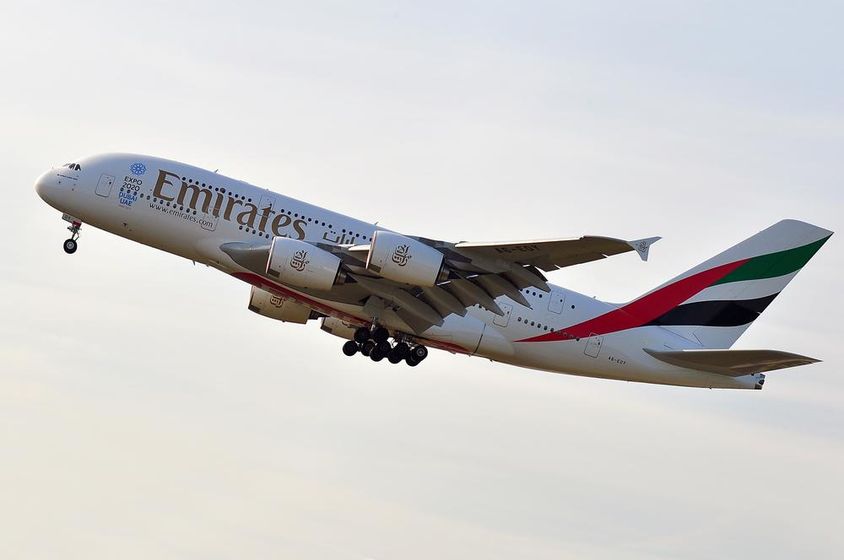
Under the new aviation agreement, UAE's national airlines – such as Etihad Airways and Emirates – can launch more flights to Manila, directly responding to the growing passenger traffic demands. Current flights often run at full capacity, especially during holiday seasons or during homeward journeys to the Philippines when workers massively seek flying opportunities.
As a result of the expansion, passengers will not only have direct flights available at more times, but in the long run, prices may also decrease as increased supply creates a competitive situation. Such developments directly improve the quality of life for both the expatriate communities living in Dubai and business and tourism travelers.
The Role of the Filipino Community in Dubai
The economies of Dubai and other emirates greatly depend on foreign workers, especially the workforce arriving from the Philippines. Filipinos working in hospitality, healthcare, logistics, domestic services, and administration form a significant part of the country's labor market. Their needs, including opportunities for visiting home, have long been on the agenda of negotiations between the two countries.
The new flight rights not only facilitate homeward journeys but also allow for simpler visits of Filipino relatives, friends, and family members to Dubai, thus strengthening interpersonal connections. Beyond personal relationships, new opportunities open up in trade and tourism, as direct air connections encourage bilateral economic relations.
Dubai and Manila: Not Just Passenger Traffic, but a Strategic Partnership
The aviation connections between the two countries have long been treated at a strategic level. The current agreement is not just an expansion but part of long-term cooperation in which the parties jointly work on the development of the sector. During the Air Services Agreement (ASA) consultations, discussions were held on how to make airport coordination more effective, how to ensure the smoothness of services, and sustainable growth.
Countries with which the UAE has close human and economic ties play a particularly important role in its international transport policy. In this respect, the Philippines is a key partner. Dubai, as one of the largest international transport hubs in the region, integrates every new flight launch opportunity into its global strategy.
Tourism and Trade: More Flights, Greater Traffic
The increased number of flights not only can increase the frequency of home visits but can also promote tourist and business trips. The Philippines has become a popular destination for many Dubai residents, thanks to its natural beauty, hospitable culture, and favorable pricing. At the same time, Dubai is becoming an increasingly attractive destination for Southeast Asian travelers, whether for shopping, medical tourism, or event tourism.
The new agreement could also bring benefits in commercial shipping, as air freight is a fast and reliable means of delivering foodstuffs, electronic devices, or other export goods. Dubai's role in logistics is also outstanding here, as Emirates SkyCargo operates one of the largest air cargo networks in the world.
Future Prospects
The recently announced increase in flight numbers is not the last step in the development of relations between the two countries. The civil aviation authorities maintain continuous dialogue, monitoring passenger traffic data, economic trends, and infrastructure developments. The long-term goal is for both Dubai and Manila to be prepared for future mobility needs – whether it is the flow of people, goods, or services.
The foundation of the partnership is mutual respect and common interest, recognizing that aviation is not just a technical issue but a factor that determines people's daily lives, relationships, and opportunities. In this region, Dubai once again proves its leadership: responding to community needs, adapting to global trends, and actively shaping the future of the region.
(The article is sourced from a statement by the General Civil Aviation Authority (GCAA) of the United Arab Emirates.)
If you find any errors on this page, please let us know via email.


