Unpredictable UAE Weather Approaching Soon
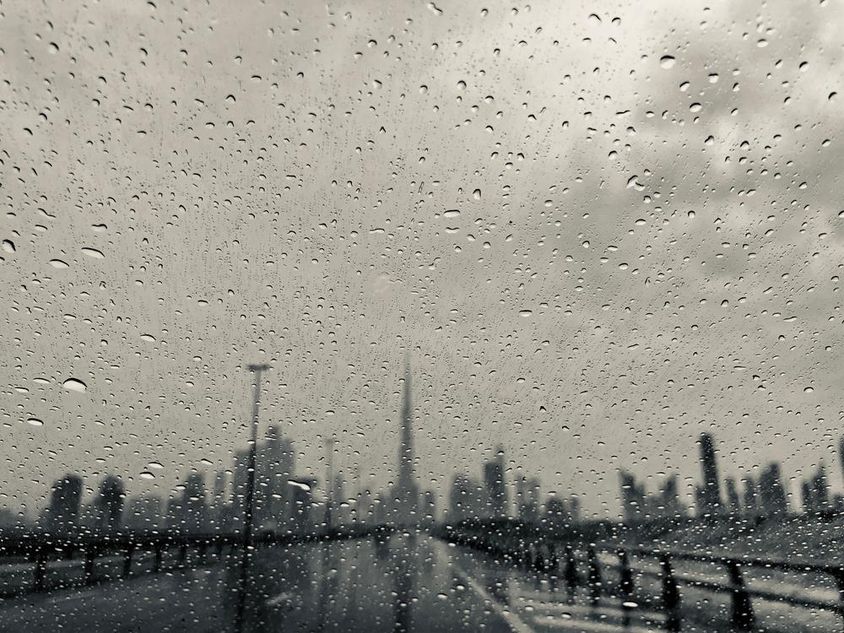
Variable Weather Set to Hit UAE: Wind, Dust, and Rain Expected on Tuesday
The weather in the United Arab Emirates is about to show a more unpredictable side in the coming days. According to meteorological forecasts, many regions will experience cloudy skies, stronger winds, and even light rain on Tuesday. Although the country's weather is generally pleasant and sunny in spring, atmospheric systems can periodically arise, bringing temporary cooling and more unstable conditions.
On Tuesday, the weather is expected to be mostly clear or partly cloudy during the day, but clouds may increase by evening, especially in coastal areas and islands. In some northern areas, there is a chance of light rainfall, which is not uncommon for this time of year but serves as a reminder that even the UAE's climate is not entirely predictable.
Clouds and Cooling in Western Regions
According to meteorological services, one of the most interesting changes is expected in temperatures. Significant cooling is anticipated in the western parts of the country during nighttime and early morning hours. In some areas, minimum temperatures may drop to as low as 20 degrees Celsius, which is considered relatively cool for the UAE.
Around the capital, minimum temperatures might settle near 20 degrees, while other major cities could see slightly higher values. In the eastern and northern regions, nighttime temperatures will likely hover around 22–23 degrees.
In Dubai, Tuesday's early morning could be particularly pleasant, as minimum temperatures might fall to around 22 degrees. This is an ideal time for many residents to engage in outdoor activities, such as running or even an early morning walk along the beach.
Daytime Heat Remains Prominent
Despite the cooler nights, warm weather is expected to persist during the day. Daytime highs will remain above thirty degrees Celsius in most major cities.
Around the capital, the temperature could reach up to 35 degrees Celsius, while around Dubai, a maximum of approximately 33 degrees is expected. In another significant emirate, daytime temperatures could rise to as high as 34 degrees.
This temperature contrast – cool mornings and warm days – is typical in the region following late winter and early spring. Such differences often result in stronger winds, which will also be a defining element of Tuesday's weather.
Strengthening Winds and Dust Clouds
One of the most important weather factors on the following day will be the wind. Forecasts indicate the development of moderate or occasionally strong northeastern and northwestern winds.
Wind gusts could reach speeds of up to 45 kilometers per hour. This could particularly lead to dust and sand clouds in open desert areas. Such phenomena often reduce visibility and can affect transportation.
Desert dust is a characteristic element of UAE weather. When the wind strengthens, fine sand particles easily rise into the air, resulting in temporarily foggy, hazy skies.
On such days, many residents may experience slight throat or eye irritation, and it is often recommended that especially sensitive individuals avoid prolonged outdoor exposure during the strongest winds.
The Sea May Also Be More Turbulent
The wind's effects will also be felt at sea. In the Arabian Gulf region, wave activity may become stronger, and the sea could be particularly wavy at times.
This poses a challenge especially to smaller boats and leisure water sports. Sailors and fishermen often need to exercise increased caution in such weather situations, as suddenly strengthening winds can quickly alter the water's surface condition.
Somewhat calmer conditions are expected in the Oman Sea area. There, wave activity may be more moderate or mild, creating more favorable conditions for sea activities.
Why Does Such Weather Occur in Spring?
The climate of the UAE is generally dry and stable, but weaker atmospheric fronts often enter the region at the end of winter and spring. These systems can bring cloudiness, stronger winds, and occasionally light rain.
Due to the desert environment, the impact of such fronts often differs from what is common in temperate countries. Precipitation is usually brief and often only affects a few areas.
However, wind and dust clouds are much more common accompanying phenomena, as the dry soil is easily disturbed.
What to Watch for in the Coming Days?
Due to the weather changes, it's worth paying attention to a few minor things. In windy weather, for example, the air can dry out faster, which is why many people find increased fluid intake necessary.
For motorists, reduced visibility due to potential dust or sand clouds could be important. In such situations, slower driving and maintaining an appropriate following distance significantly increase safety.
Those planning seaside activities should watch wave conditions closely, especially if they plan to engage in water sports or boat trips.
Brief Change, Then Stabilized Weather Returns
Based on meteorological patterns, such weather episodes typically last for a short period in the UAE. Cloudy and windy weather is often quickly followed by more stable, sunnier conditions.
Thus, in the coming days, the usual warm, sunny conditions that form the foundation of the country's climate are expected to return.
These transitional periods, however, remind us that even in a country with a predominantly desert climate, surprises can occur. Cloudy skies, stronger winds, and dust clouds occasionally reveal a new side to UAE weather, which is far more varied than one might initially think.
If you find any errors on this page, please let us know via email.


