UAE Insurance Claims Soar After Rains
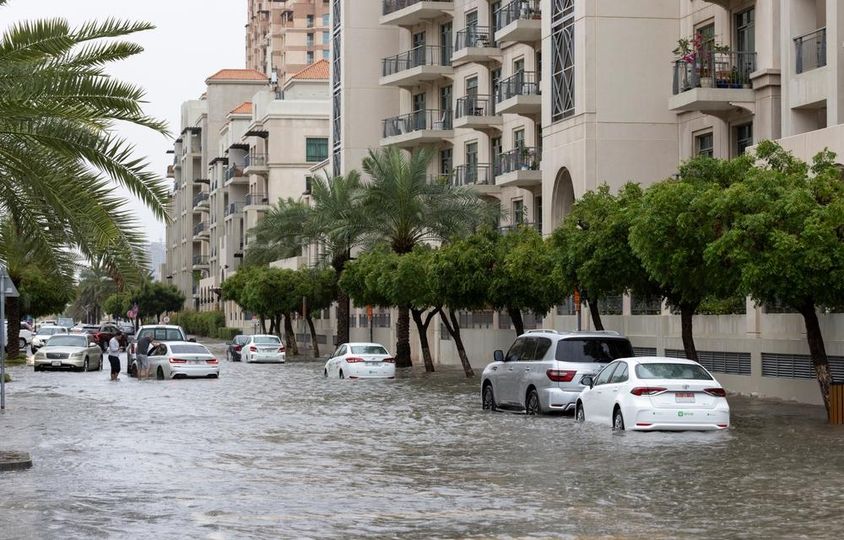
Insurance Claims Surge 20% After UAE Downpour – But Why Wasn't It Worse?
The rains in the United Arab Emirates on December 19 once again tested the country's infrastructure and insurance sector, yet brought much milder consequences than the extreme weather events of April 2024. Industry players attribute this to improved preparedness, quick municipal response, and increased public awareness.
The industry was prepared for the storm
Insurers, brokers, and clients all responded more preparedly to the December rains. While in previous years communication disruptions, delayed claims, and capacity-strapped repair shops were common, significant progress has been made in overcoming these issues. Insurers could respond rapidly based on existing procedures and experiences, ensuring that damage management proceeded smoothly.
The number of claims reported by the industry increased by 20% in the days following the rain, but their volume and severity did not exceed manageable limits. Insurance firms did not face financial pressure that could have caused systemic problems. This is partly because many companies have international reinsurance agreements capable of absorbing greater risks.
Vehicles dominated the claims
After the rains on December 19, primarily motor insurance claims rose. Many vehicles were stranded on flooded road sections or suffered water damage to the engine compartment or interior due to the rainy weather. According to some industry sources, repair shops were operating near capacity, as many cars needed repairs simultaneously.
Interestingly, the number of vehicle claims was significantly higher than those related to properties. In the latter case, mostly minor leaks, seepages, or localized damages occurred, which in many cases could be quickly repaired. However, property damage was severe in some instances, especially if rainwater reached underground garages or electrical systems.
The situation was significantly better than in April 2024
Experts rated the December rains as less significant in every aspect compared to the April 2024 event, one of the most severe storms in the UAE in recent decades. At that time, the rainfall exceeded the usual annual average, flooding hundreds of roads, paralyzing traffic, and causing serious infrastructural damage. Insurers were under significant financial pressure, and damage assessment and restoration took longer.
However, on December 19, the amount of rainfall was smaller, the affected area was more limited, and the authorities had already predicted the expected rain. As a result, many residents did not set off unnecessarily or parked their vehicles in safer places.
Communication and technological advancement
In recent years, significant progress has been made in the UAE in developing urban drainage systems and improving the response times of municipal bodies. These factors also contributed to avoiding more serious problems after the December rains.
From the insurance sector's perspective, it is important that clients have become more aware and filed claims more quickly. The reporting process was simplified through online platforms and mobile applications, and insurers proactively communicated with customers.
What to expect in the future?
Due to climate change, unusual weather events could become more frequent in the UAE, including sudden downpours and regionally severe storms. For industry players, it is crucial to continue developing technological and procedural capabilities and continuously educate clients on prevention and rapid response.
Among the new challenges are managing a larger vehicle fleet, the insurance aspects of electric vehicles' water damage, and protecting smart homes and digital infrastructures. Insurers aim to increase customer satisfaction with new products, more flexible conditions, and digital customer management.
Summary
The rains on December 19 were a good test for the UAE insurance market. Building on previous experiences, the sector as a whole responded more preparedly and efficiently, avoiding major disruptions. Although the number of claims rose, especially for vehicles, the overall impact fell short of the disaster magnitude in April 2024. The incident further demonstrates that quick adaptation, technological advancement, and customer awareness together can address natural challenges in urbanizing areas. Dubai and the entire country's insurance market is becoming more resilient – in preparation for the future.
(Source: Based on insurance experts' accounts.)
If you find any errors on this page, please let us know via email.


