UAE Braces for Unusual Winter Surprises
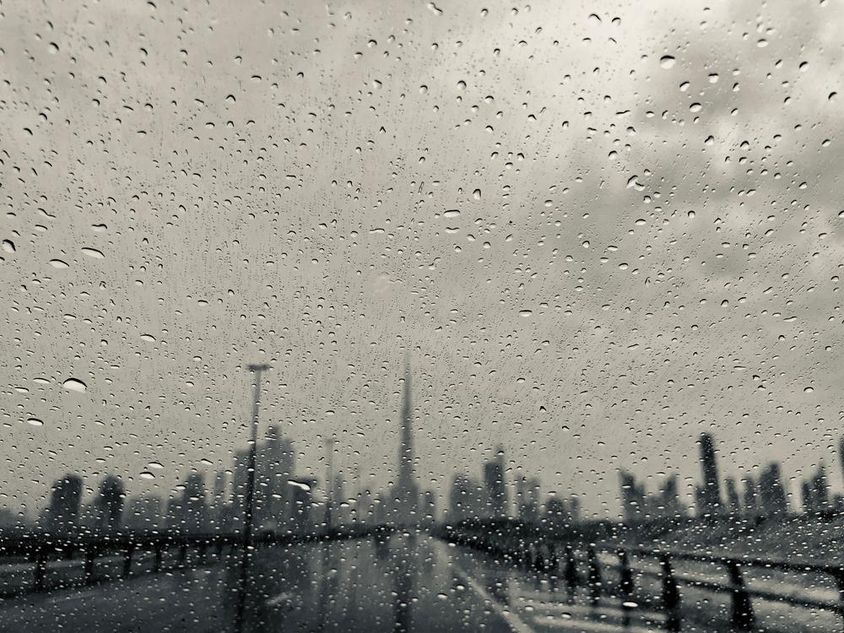
Winter Rain and Cold Wave: Dubai and UAE's New Weather Face
The United Arab Emirates, known for its usual sunny and hot climate, is now showing a new face: by the end of January, mild rainfall and unusually low temperatures characterized much of the country, including the cities of Dubai and Abu Dhabi. This weather shift is not just a momentary phenomenon but part of a global climatic pattern, impacting the entire northern hemisphere.
Mild Rain Over Dubai and Abu Dhabi
In recent days, many residents were surprised to find raindrops falling from the sky over Dubai and Abu Dhabi—not heavy storms, but rather scattered, mild rains that bring a kind of freshness to the urban environment. Although most locals and tourists are not accustomed to this in the Emirates, many welcomed the light precipitation that conjured up a rare winter atmosphere in everyday life.
Meteorologists had previously indicated that these types of rains might occur around January 25. According to forecasts, temperature fluctuations are expected in the coming weeks, with shorter warm periods interrupted by cooler days.
Extreme Cold Wave in Ras Al Khaimah
The real surprise, however, was the development of temperature values. In the Jebel Jais mountains in Ras Al Khaimah, a temperature of just 0.2 °C was recorded on January 22—the lowest temperature of this winter recorded in the UAE. For those living in the northern part of the country, it is not new that weather turns cooler in the winter months, but such extremely low temperatures are still rare.
The cold weather was felt not only in the mountainous regions but also in the cities. During nighttime, temperatures in some outer districts of Dubai fell below 10 °C, leading residents to bring out coats and warmer clothing—a rare sight in a country renowned for its extremely hot climate for most of the year.
Global Phenomenon: Not Only the UAE is Affected
It's important to understand that the current cold wave is not a local phenomenon. Many parts of the world, including the United States, Palestine, China, Saudi Arabia, and Pakistan, are experiencing similarly unusual cold weather. Two well-known climatic phenomena underpin this: El Niño and La Niña.
El Niño forms when the central and eastern parts of the Pacific Ocean are warmer than usual, typically bringing more rainfall to the Americas, while causing droughts in Asia and Australia. On the other hand, La Niña signifies the opposite: these areas of the Pacific Ocean become cooler, which can trigger intense rains in Asia and Australia, while some parts of the Americas experience drier conditions.
From the UAE's perspective, La Niña is particularly important: it can increase the likelihood of cold air masses flowing into the region, especially in the winter months. The consequences of this are already felt—the record-low temperatures in January and mild rains are signs of this global atmospheric connection.
What Does This Mean in Everyday Life?
The unusual weather impacts infrastructure, transportation, and daily activities. The mild rains have increased the risk of accidents on the roads, as many drivers are unaccustomed to driving on slippery surfaces. Additionally, construction works require increased attention to rain-induced challenges, especially in areas with temporary structures or scaffolding.
From a tourism standpoint, many particularly enjoy the unusual climate. Strolling along the Jumeirah Beach promenade in coats or posing with umbrellas—these all lend a new mood to the winter atmosphere of Dubai and other cities.
Environmental Impacts and Sustainability Issues
The current weather phenomena highlight that even seemingly stable climatic regions are facing increasing variability. Climate change and shifts in global climatic patterns can long-term influence the weather of the Middle East region, posing new challenges for infrastructure, energy systems, and water management.
These extreme periods point out that future urban planning, environmental strategies, and sustainability efforts in the region can no longer rely solely on hot, dry periods—preparation for colder, rainier periods is also necessary.
Summary
This winter shows a completely new face to the United Arab Emirates: at times, the sparkling sun is replaced by clouds, raindrops, and cool breezes. Residents of Dubai and Abu Dhabi are now part of a natural rarity while global climatic systems quietly but firmly shape their everyday lives.
The weather change is both a warning and an opportunity—it’s advisable to keep an open mind, adapt, and at the same time enjoy the rare moments when the streets of Dubai are defined not by heat, but by the play of raindrops.
(The article is based on a statement by the National Centre of Meteorology (NCM).)
If you find any errors on this page, please let us know via email.


