UAE and Russia Relations Reach New Heights
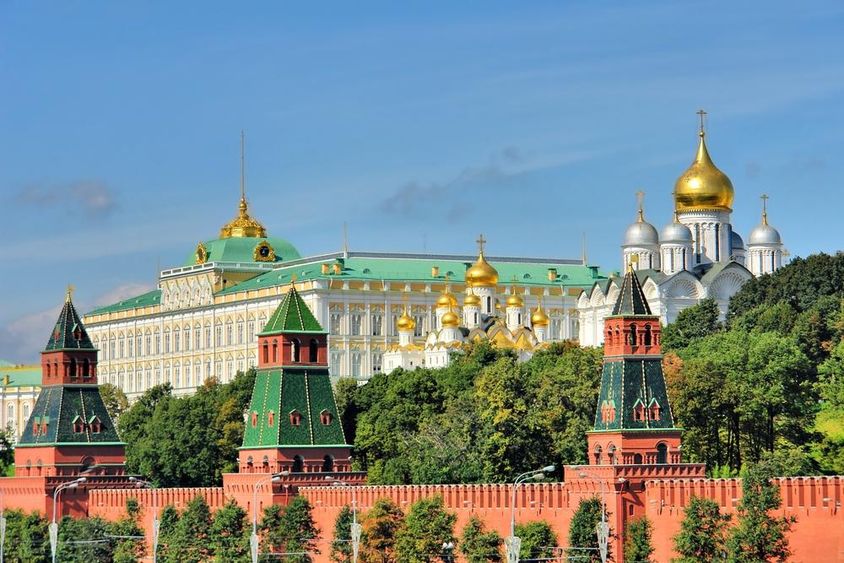
UAE and Russia Relations Reach New Heights: Official Moscow Visit
The President of the United Arab Emirates is set to visit Russia on January 29 for an official visit to meet with the Russian president. The visit will not only address bilateral relationships but will also focus on regional and global issues as Abu Dhabi emerges as an increasingly important diplomatic broker on the world political stage.
Diplomatic Dynamics: Moscow Meeting Following Behind-the-Scenes Negotiations
The timing is no coincidence: just days after Abu Dhabi hosted high-level trilateral talks involving Russian, Ukrainian, and American officials, the UAE president travels to Moscow. The meetings held on January 23-24 aimed to advance the peace process regarding the war in Ukraine. Although a breakthrough has yet to be achieved, the negotiations have made progress, and the parties are set to reconvene in Abu Dhabi for another round on February 1.
In this atmosphere, the president's visit to Moscow becomes particularly significant as it is expected to focus not only on bilateral issues but also on how the UAE can continue to play an active and credible mediating role in international conflicts.
Economic and Energy Relationships at the Forefront
One of the primary topics of the meeting will be deepening economic cooperation. The UAE and Russia have been trying to strengthen trade ties for years, particularly in the energy sector. Russia is a major player in the global oil and gas industry, while the UAE, as one of OPEC's most stable members, plays a key role in the global balance of energy pricing and supply.
Recently, there has been an increase in Russian investments in the UAE's real estate and tourism sectors, while Emirati funds—especially Abu Dhabi's sovereign wealth funds—have shown interest in Russian infrastructure and technology projects. The purpose of this visit is to further strengthen these economic ties and develop new strategic partnerships.
Political Cooperation in a Changing World
The two countries’ relationship is not only of economic interest but also of significant political importance. The UAE is increasingly positioning itself as a "global mediator": like Qatar, but via a different route, the Emiratis pursue a neutral, pragmatic diplomacy allowing them to open communication channels between different geopolitical blocs.
During the meeting with the Russian president, issues related to Middle Eastern security, including Iranian relations, the Yemeni settlement, and the Gaza situation, are expected to be discussed. For the UAE, regional stability is of paramount importance, especially considering their intention to position Dubai, Abu Dhabi, and the rest of the country as world-class investment and tourism destinations in the long term.
Diplomatic Playing Field: UAE's Rise
Current events exemplify how the UAE is becoming a new focus in global diplomacy. The Middle Eastern nation is striving to play a key role not only economically but politically. The trilateral peace talks, the regular hosting of international meetings, and the promotion of political dialogue all indicate that the UAE is building a future where it serves not just as an investment destination but as an active player on the global political stage.
For the UAE, this strategy aims in the long term to have Dubai and Abu Dhabi recognized not just for their rich infrastructure or exceptional real estate projects but as bastions of stability, predictability, and international cooperation.
Next Steps: Further Meetings and Mediating Roles
The planned trilateral meeting on February 1 in Abu Dhabi signals the continuation of the negotiation process. The question is whether the current visit and talks can produce a result that advances the resolution of the long-standing conflict in Ukraine. While the UAE is not a party to the conflict nor exclusive to NATO or BRICS, it can still provide a platform for such complex dialogue.
The success of the Moscow visit and negotiations, however, is not only a matter of diplomatic prestige for the UAE. For the country, it represents a strategic step toward fulfilling a role as a mediating and balancing power on the world stage—a power that does not lean excessively east or west but is able to open channels in both directions.
Conclusion
The official visit of the UAE president to Moscow and the meeting with Putin is not an isolated event. It is part of a broader foreign policy and economic strategy in which the United Arab Emirates seeks to place its future vision and regional role on new foundations. Today, Dubai is observed not only for its skyscrapers but also for its geopolitical significance. Current diplomatic activities only strengthen this position.
If you find any errors on this page, please let us know via email.


