The Foldable Phones' New Era: Future Trends
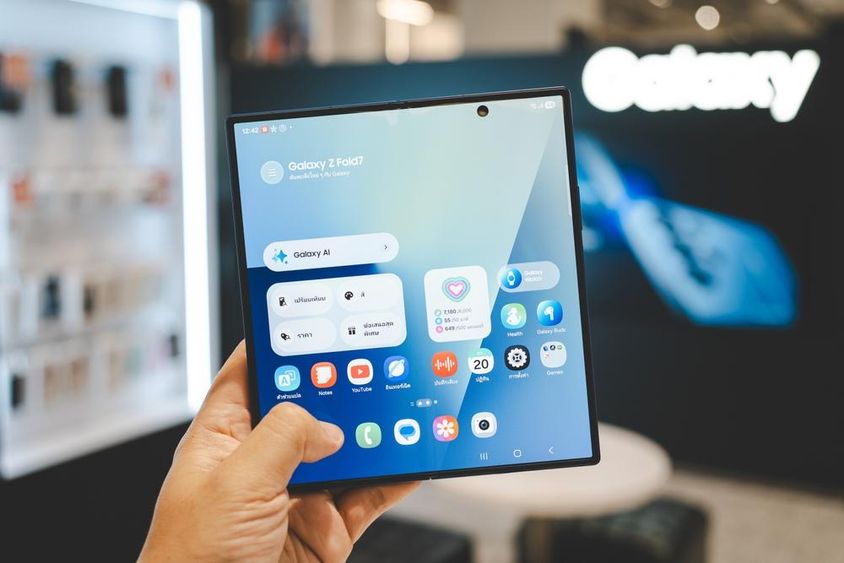
The Foldable Phones' New Era: Where is the Market Heading?
The world of smartphones has been delivering eye-catching but often incremental innovations for years. However, foldable devices represent an entirely different category: it's not just about a faster processor or a better camera, but a completely new user experience. It now seems that we are on the brink of a new era, with two key players approaching the same problem with different philosophies.
On one side, there's a long-awaited first-generation foldable device that represents a bold direction, based on leaks. On the other, a model family refined over several generations, which believes more in evolution. This difference is already visible and may significantly impact how we use our phones in the future – even in everyday life in Dubai.
Wider or Narrower? Shape Could be Crucial
One of the most important differences between the two approaches lies in the device's proportions. The new entrant opts for a wider design, which, even when folded, resembles the experience of a traditional smartphone. This means you don't have to compromise on one-handed use or readability.
In contrast, the current market leader model retains a narrower format. This design is familiar to many, given that previous generations also had similar proportions. The manufacturer evidently does not want a radical change, preferring to fine-tune what has already worked.
The difference is not just aesthetic. The wider device, for example, might be more comfortable for texting or browsing, while the narrower model is easier to handle with one hand. This decision could determine which direction becomes the industry standard in the long run.
Design Philosophy: Rounded vs Sharp Lines
According to leaked images, the two devices differ not only in size but in details as well. The new model comes with rounded edges, providing a friendlier, more streamlined appearance. This design is not only aesthetically advantageous but may also be more comfortable when held.
On the other hand, the other device maintains more distinct, angular lines. This style evokes a more modern, technological feel, and many users perceive it as a premium look.
Interestingly, both design approaches have their fans. The rounded form emphasizes ergonomics, while the sharper design builds on visual impact and brand identity.
Thinness and Portability: Pocket Matters
One of the biggest challenges of foldable phones is thickness. According to the latest information, both devices will be extremely thin, with an unfolded thickness possibly under 5 mm. This is approaching the level of traditional flagship devices, representing a significant advancement.
However, the wider model offers an interesting advantage: better pocketability. At first, this may sound contradictory, but due to its design, the device is less "tall," thus fitting more comfortably in a pocket, especially when seated.
This aspect may be crucial for many, particularly in urban environments like Dubai, where mobile usage is intense and comfort is paramount.
Cameras: More is Not Always Better
There are also notable expected differences in camera systems. The new entrant reportedly comes with two rear cameras, while the competing model will offer three.
At first glance, three cameras might seem like a clear advantage. However, the reality is more nuanced. Fewer cameras often mean better software processing and optimization, which can balance the difference.
The question is not how many cameras a device has, but the quality of daily photos. This is especially important during travels or in visually striking cities like Dubai, where photography experiences play a prominent role.
System and Ecosystem: Meeting of Two Worlds
One of the biggest differences between the two devices lies in software. One offers a closed, tightly integrated system, while the other builds on a more open, customizable platform.
This difference has defined user experiences for years. On one side are simplicity and stability; on the other, freedom and flexibility.
However, the foldable format brings new challenges for both systems. App optimization, multitasking, and the transition between closed and open states will all be critical factors.
Release Timing: Who Steps Out First?
Timing also plays an important role. Based on current information, the well-known manufacturer will enter the market first, gaining an advantage in sales and attention.
Nevertheless, the new entrant is likely to arrive later with a more polished product. This strategy isn't new: better to wait and perfect than to appear first with compromises.
This difference shows the mindset of the two companies well and highlights that the foldable phone market is far from settled.
Where is the Future Heading?
The development of foldable devices has clearly accelerated. This generation is no longer an experiment but increasingly represents a real alternative to traditional phones.
The wider design may point a new direction, bringing foldable devices closer to everyday use. At the same time, the further development of the already established format also provides a stable foundation.
In the coming years, both directions are likely to coexist in the market, and users will decide which becomes dominant. One thing is certain: competition benefits innovation and brings solutions that were unimaginable a few years ago.
The question is no longer whether foldable phones will spread but which approach will prevail. And the answer may come sooner than we think.
Source: Origo
If you find any errors on this page, please let us know via email.


