Stable UAE Interest Rates: Economic Implications
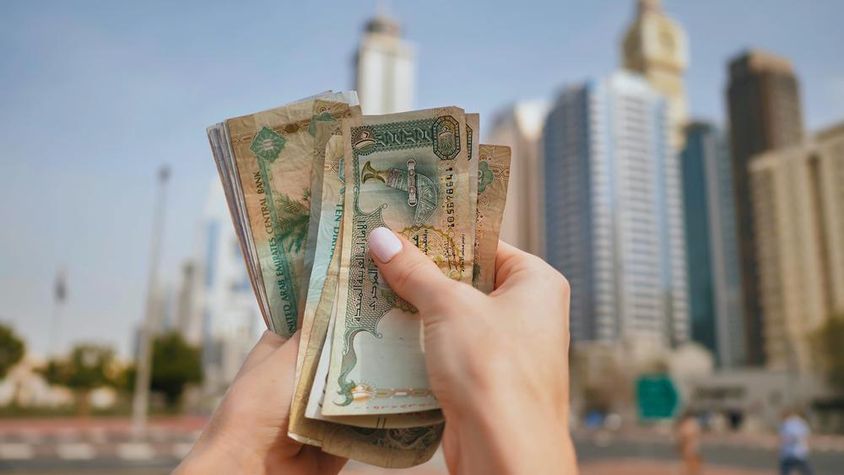
Stable Interest Rates in UAE: What Does It Mean for Loans and Mortgages?
The financial system of the United Arab Emirates is once again showing stability after the central bank's decision to keep the base interest rate unchanged. At first glance, this may seem like a technical decision, but it actually has significant implications for those who have taken out loans, are considering purchasing real estate, or are simply observing the economic environment. Keeping interest rates steady means that loans and mortgages become more predictable, which is particularly important in a dynamic region like Dubai and across the UAE.
Why did the rates remain unchanged?
The decision is primarily influenced by the international financial environment. The UAE's monetary policy closely follows the actions of the United States since the dirham is pegged to the US dollar. When the US Federal Reserve adopts a wait-and-see approach, the UAE follows suit.
Currently, inflation is at a moderate level, around 2.4%, which is close to the target rate. This alone doesn't warrant drastic interest rate hikes. However, the pace of decline has slowed, prompting caution among decision-makers. In such an environment, the most logical step is to wait and monitor economic developments, intervening only when truly necessary.
Geopolitical impacts: underlying tensions
One of the most crucial factors in the current situation can't be found in classical economic indicators but in the geopolitical arena. Tensions in the Middle East, particularly risks related to the energy sector, have a significant impact on inflation.
Oil prices are once again on the rise, with barrel prices approaching high levels. This directly increases transportation and energy costs, which eventually get incorporated into prices. This type of inflation doesn't stem from overheated domestic demand but rather from external shocks. Hence, it's difficult to counter with traditional measures.
This presents a delicate balancing act for central banks: raising rates too quickly can stifle economic growth, while not responding can let inflation run wild. Currently, it seems waiting is the most justifiable strategy.
What does it mean for loans?
One of the biggest advantages of a stable interest rate environment is predictability. Those with existing loans won't face sudden increases in installment payments. This is especially important for mortgages, where monthly costs have long-term significance.
The situation is also favorable for new loan applicants. Banks, with stable rates, can more easily offer competitive deals, and customers are more confident in making significant financial decisions. For example, Dubai’s real estate market can remain attractive since financing conditions aren't deteriorating.
However, understand that stability doesn't equate to low rates. Rather, it means an environment where conditions don't change drastically, putting planning in the forefront.
The labor market and consumer sentiment's role
Behind economic decisions lie not just inflation and energy prices, but also the state of the labor market. Recent times indicate slight weakening in the labor market and growing uncertainty.
This impacts consumer confidence as well. If people feel less secure about their future, they spend more cautiously, take out fewer loans, and tend to save. This, in turn, curtails economic growth, pushing decision-makers towards maintaining interest rates.
In the UAE, the diversified economy and strong financial backing help mitigate these effects. Dubai, for instance, is not solely reliant on oil but also on tourism, real estate, and technology, providing a more stable foundation.
From an investor's perspective: a new strategy is needed
One of the key takeaways from the current environment is that alongside classic long-term strategies, flexibility is gaining increasing importance. Markets react quickly to geopolitical events, and the impact of decisions often appears with a delay.
This means investors should maintain liquidity and remain open to short-term opportunities. Rather than fixed, long-term commitments, quick adaptability becomes crucial.
Dubai, in this environment, is a particularly interesting target as the region swiftly responds to changes and continuously offers new opportunities for investors.
Summary: calm on the surface, uncertainty beneath
Leaving interest rates unchanged initially suggests stability, and indeed, from the perspective of everyday financial life, this is a positive development. Loans become more predictable, markets calmer, and the economy appears more balanced.
However, significant uncertainty lies beneath. Geopolitical tensions, energy price developments, and global economic processes are factors that can steer markets in new directions at any time.
Nevertheless, the UAE and within it, Dubai, have proven capable of adapting to a changing environment. In the current situation, the most important message is that stability is not a permanent state but a momentary balance that must be continually reinterpreted.
For those considering loans, investments, or simply observing the region’s economy, it is now a time where awareness and quick responsiveness may be more valuable than ever before.
If you find any errors on this page, please let us know via email.


