Dubai Gold Prices Drop Despite Strong Demand
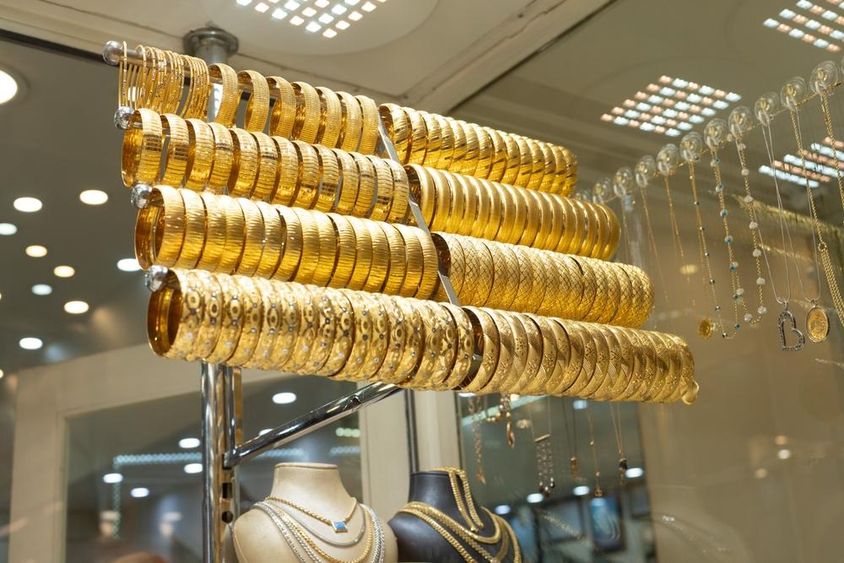
The New Balance in the Gold Market: Why Have Prices Dropped in Dubai While Demand Remains Strong?
In recent weeks, the international gold market has experienced another highly active period, and its impact is visibly evident in Dubai's gold trading. While prices remained relatively stable during the Thursday morning opening, the market is still trading significantly below the peak reached earlier in the month. This is particularly interesting given that Middle Eastern geopolitical tensions, U.S. interest expectations, and inflation uncertainties usually drive the gold price upward.
Dubai's gold market traditionally responds quickly to global changes, as the emirate is not only a key center for gold trading in the Middle East but also globally. However, the current situation is more complex than simply discussing a price drop. Prices have indeed fallen, but demand has strengthened simultaneously, resulting in a particularly interesting dynamic in shops and the jewelry market.
Significant Drop from Monthly Peak
On Thursday morning, the price of 24-carat gold in Dubai opened at around 546.75 dirhams per gram, which marked a slight decrease from the previous day's closure. More importantly, the price is currently about 24 dirhams lower than the peak reached at the beginning of the month. On May 11, 24-carat gold reached 570.75 dirhams per gram, near a record level.
Other gold types showed similar movements. Twenty-two carat gold stood at 506.5 dirhams, 21-carat at 485.5 dirhams, 18-carat at 416.25 dirhams, while 14-carat moved around 324.5 dirhams. These prices are still considered high historically, but they offer more favorable entry points for buyers compared to the extreme surge earlier in the month.
Many shoppers in Dubai's jewelry stores have become more active again. Many consumers waited in recent weeks, hoping exchange rates would decrease. The current correction has opened the way for many to start buying, especially for those considering gold as a long-term investment.
India's Decision Shook the Market
One of the most important reasons for the strengthened demand was India's recent decision to significantly raise import tariffs on gold and silver. This move immediately impacted the UAE market, as Dubai plays a key role in Indian gold purchases.
Indian buyers are traditionally very active on Dubai's gold market, especially during wedding seasons, festivals, and family events. When Indian import costs rise, many prefer to buy in the UAE at more favorable prices. This trend seems to be strengthening again now.
In the Dubai Gold Souk area, traffic has increased again in recent days, and according to several traders, both tourists and local residents have become more interested. Many feel that the current price level is more attractive than during the peak period in early May.
Geopolitical Situations Continue to Play a Key Role
Currently, gold prices are most influenced by geopolitical uncertainties and expectations in money markets. Conflicts in the Middle East, especially tensions around Iran, continue to cause significant uncertainty among investors.
Traditionally, gold is considered a refuge during times of crisis. When uncertainty grows in global markets, investors often turn to gold as they see it as a stable store of value. However, now a more complex process is unfolding.
While conflicts support gold prices, simultaneously the rise in U.S. bond yields and the strengthening dollar exert pressure on the precious metal. These two effects work simultaneously, hence the significant fluctuations in the price.
The spot gold price hovered around $4,533.5 per ounce on Thursday morning, which still counts as a particularly high level. However, the market is now more sensitive to news related to U.S. monetary policy than before.
Inflation and Interest Rates Present New Challenges
One of the most pressing questions in the current market environment is the evolution of inflation. Due to rising energy prices, increased transport costs, and geopolitical risks, many analysts fear that inflation could strengthen again in several regions around the world.
This is significant for gold because high inflation generally supports the price of the precious metal. However, if the U.S. central bank tries to curb inflation with interest rate hikes, that could create a less favorable environment for gold.
Investors are now paying particular attention to minutes from the U.S. central bank meetings and economic data. A single unexpected statement or inflation data can trigger significant short-term price movements.
Dubai's traders say this is why some buyers remain cautious. Many purchase in smaller quantities or employ a gradual strategy to avoid too high entry points.
Central Banks Continue to Buy Gold
One of the strongest long-term supports continues to be central banks. Many countries worldwide are increasing their gold reserves, providing stable demand for the market.
This is an especially important factor in the current uncertain economic environment. Many countries are trying to reduce their dependency on the dollar, and as part of that strategy, they are increasing their gold reserves. This trend has continued to strengthen in recent years.
Dubai also profits from this process, as the city operates as a global gold trading hub. The emirate's advanced logistics systems, tax advantages, and international connections ensure it remains a key player in the global gold market.
According to experts, despite the current price correction, the fundamental background of gold may remain strong. Geopolitical risks, inflation uncertainties, and central bank purchases create an environment that could support prices in the long run.
Dubai's Gold Market Continues to Attract Buyers
Dubai holds a special place in the global gold trade. In the emirate, buyers seek gold not only for investment purposes but also due to cultural and family traditions. The demand for wedding jewelry, gifts, and luxury items provides a stable foundation for the market.
The recent price correction has offered new opportunities for many consumers. Although prices are still high historically, the noticeable drop from the monthly peak has an important psychological impact.
In the coming weeks, strong volatility is expected to continue characterizing the market. Investors' attention will be focused simultaneously on Middle Eastern events, U.S. interest rate policy, and inflation data. Dubai's gold market has once again proven to be extremely sensitive to economic and political changes worldwide.
If you find any errors on this page, please let us know via email.


