Stable Remittances: UAE to Pakistan Insights
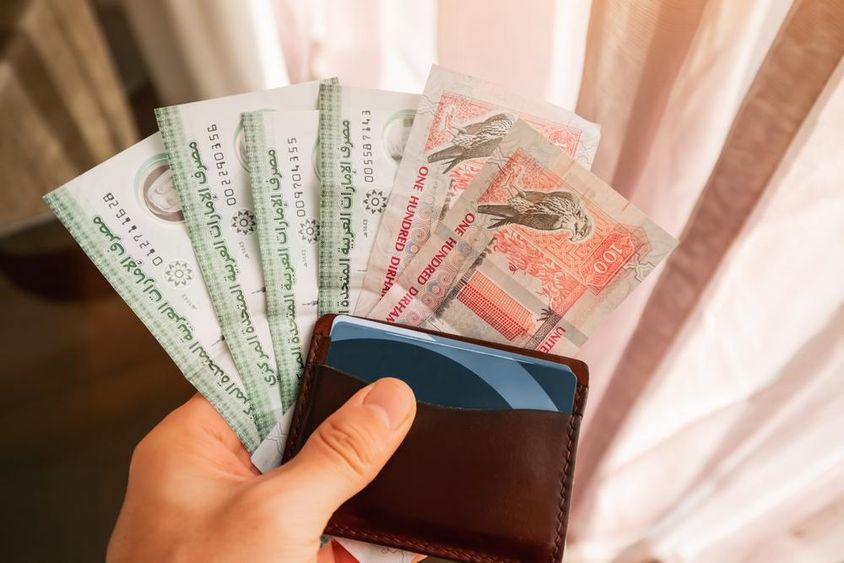
Stability Amid Uncertainty: Prospects of Remittances from UAE to Pakistan
Financial ties between the United Arab Emirates (UAE) and Pakistan have been close for decades, particularly due to the presence of millions of Pakistani guest workers in the Gulf country. These workers not only contribute to the economic fabric of the Emirates but also provide essential financial resources for their home country, Pakistan: remittances. In recent times, with economic and political instability prevailing in many parts of the world, a key question has emerged: will this steady and predictable flow of money continue?
According to the latest official data, Pakistan received more than $4 billion in remittances from the UAE in the first half of the current fiscal year. This amount is significant not only in absolute terms but also as evidence of the unwavering commitment of the Pakistani diaspora in Dubai, Abu Dhabi, and other emirates to support their families and homeland. The question remains: how long can this dynamic be sustained?
The Human Factor Behind Remittances
Pakistani workers in the UAE typically operate in lower-income sectors such as construction, hospitality, and service roles. For them, remittance is not merely a financial transaction but a moral and family obligation. A significant portion of their earnings is sent home monthly or quarterly to support parents, children, and siblings. This system has been in place for decades, and as highlighted by Pakistan's financial leadership, it is not heavily influenced by current geopolitical tensions or economic uncertainties.
Behind these individual decisions is a well-functioning banking system and several digital money transfer platforms. Sending remittances from the UAE now requires no long queues or complicated procedures—it's just a few clicks, and the money can be in Pakistan within hours.
Stabilization of the Macroeconomic Background
Pakistan's recent financial crisis, which brought the country to the brink of insolvency in 2023, caused significant concern in international markets. However, through a short-term $3 billion Stand-By arrangement provided by the IMF, the country successfully restored its foreign exchange reserves and reassured investors. Despite this, the volume of remittances has not significantly decreased, indicating that Pakistanis in the UAE continue to fulfill their family obligations regardless of less favorable macroeconomic indicators.
The Pakistani government remains optimistic, projecting that the country's financial stability will gradually strengthen in the coming period. Correspondingly, the volume of remittances may remain stable, as it continues to be a priority for overseas workers.
Currency Exchange Rate and Remittance Habits
Over the past two years, the Pakistani currency, the rupee, has experienced significant fluctuations. Despite this, Pakistanis residing in the UAE continue to send money home at a consistent pace. Most do not remit money with speculative intent but to meet essential needs such as education, food, healthcare, and housing.
The advantage of a stable exchange rate is that it makes the value of remittances more predictable, especially for long-term planned transfers. If the rate deteriorates suddenly, workers in the UAE strive to send more money to maintain the same standard at home. Conversely, if the situation is stable or improving, it provides security for planning on both the sending and receiving sides.
Why is the UAE's Role Important?
The UAE is a key player not only as a host country but also as a financial partner. The Emirates provide one of the most advanced financial infrastructures in the region for foreign workers. Government regulations, banking security, and reduced transaction costs all contribute to ensuring that remittances remain uninterrupted.
Compared to many other regions in the world, the UAE serves as a kind of safe financial bridge. Workers can feel assured that their income is transferred quickly, transparently, and at low cost to their loved ones back home.
Looking to the Future
While the global political situation is not entirely predictable, and economic cycles change, the stability of remittances from the UAE to Pakistan is based on a clear social and economic need. The Pakistani diaspora in the Emirates is strong and committed, and there is evidently a willingness and mechanism from governments to support continuous financial flows.
Therefore, it can be stated: as long as Pakistani families rely on the support of relatives working in the UAE, and as long as the Emirates provide the infrastructure for money movement, the volume of remittances will remain a key factor in the Pakistani economy—regardless of the direction the world takes in the coming years.
If you find any errors on this page, please let us know via email.


