Social Media Threat: License Plate Photo Risks
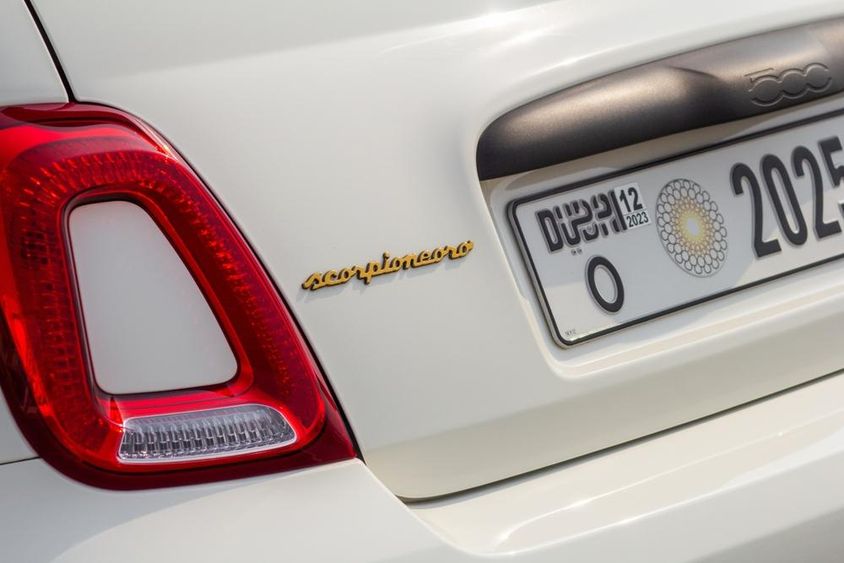
A License Plate Photo Could Lead to Legal Trouble in the UAE
In the United Arab Emirates, there is an increasing number of videos appearing on social media that showcase traffic disputes, parking conflicts, or street incidents. In these recordings, car license plates are often clearly visible, and many times the video maker deliberately zooms in on the license plate to allow viewers to identify the vehicle involved. However, UAE legal experts warn that this could have serious data privacy and cybercrime consequences, particularly if the intent of the footage is public shaming, accusation, or internet slander.
In today's social media world, many people feel that irregular parking, aggressive driving, or traffic conflicts automatically entitle them to publicly share the incident. However, in the UAE, laws treat the right to privacy much more strictly than in many other countries. A license plate itself could be considered identifying data that can be linked to a specific person or vehicle owner.
It's not the footage itself that's the problem, but the intent
According to the UAE legal experts, it is not illegal for a car's license plate to incidentally become visible in a video recorded in a public place. For instance, if someone records a street event, traffic situation, or public scene, and a license plate is visible in the background, it generally does not constitute a violation.
The problem begins when the video maker intentionally highlights the license plate, zooms in, or publishes the video with commentary that is offensive, defamatory, or derogatory. The UAE legal system is particularly sensitive to online content that publicly shames or portrays someone in a negative light.
In recent years, the protection of digital privacy has significantly strengthened in the country, mainly due to the rapid spread of social media. Today, a short video can reach thousands of people within seconds, and authorities believe this could cause substantial harm to those involved.
Social media does not absolve responsibility
Many believe that if a video has already been uploaded by someone else, resharing or forwarding it does not entail legal risk. However, this is not the case in the UAE. Legal experts state that not only the original uploader but also those who reshare, comment on, or endorse the content can be held liable.
This can be particularly dangerous if the video contains offensive comments, defamatory claims, or public accusations. A single share could be enough for someone to be involved in a privacy or defamation case.
Over recent years, authorities in the UAE have emphasized that online behavior can carry the same legal consequences as conduct in real life. Online offenses, defamations, or privacy violations are not considered "harmless posts," especially if the person involved can be identified.
Severe fines and even imprisonment can be the consequence
The UAE's cybercrime laws are extremely strict. Under the federal decree adopted by the country in 2021, those who violate others' privacy using technological devices can face severe punishment.
The legislation stipulates that such violations could lead to fines of several hundred thousand dirhams and imprisonment. It is deemed especially serious if the license plate is associated with a specific accident, dispute, or accusation.
Furthermore, UAE privacy regulations not only examine direct personal identification. A violation can occur even if a license plate combined with other information allows someone to be indirectly identified. A known car model, a residential area, a workplace, or a unique location together could be sufficient to recognize the person involved.
More videos showcasing traffic conflicts
Recently, there has been a noticeable increase in the number of videos on social media depicting traffic disputes. Parking confrontations, dangerous overtakes, honking, or aggressive driving situations are frequently visible. Many users try to present these as "content to raise awareness," but authorities say many cases involve public shaming.
In the UAE, societal respect and personal dignity are of utmost importance. Therefore, online defamation can have much more severe consequences than people in other countries are used to.
Experts warn that people should ask themselves before uploading any content: is the content genuinely of public interest, or is it about publicly shaming someone? This distinction can often be crucial in a legal proceeding.
License plates may now be considered personal data
With the advancement of the digital world, the role of a license plate has changed as well. In the past, it was simply seen as a vehicle identifier, but now numerous data can be linked to it. UAE legal experts suggest that because of this, license plates are increasingly treated as personal data, especially in an online environment.
Due to modern technology and social media, a single license plate can often easily be linked to the owner, residence, or even daily habits. This is considered a sensitive area from a data protection perspective.
The UAE legal system therefore aims to prevent cyberbullying, digital shaming, and online defamation. Authorities stress that using social media does not provide blanket authorization to publicly disseminate others' personal data.
A single click can be enough to cause trouble
Legal experts suggest that even a single click can have serious consequences these days. Sharing or commenting on a video entails much greater responsibility than many users think.
Therefore, in the UAE, people are advised to exercise increased caution, especially when it comes to traffic incidents, license plates, or other identifiable data. Due to the speed of social media, content can spread quickly, and legal consequences can linger for long periods.
According to the country's legal experts, the safest solution is for users to avoid posting videos where a license plate, vehicle, or person is unmistakably recognizable, especially if the content appears in a negative or accusatory context.
If you find any errors on this page, please let us know via email.


