Sharjah's New Carport Shade Ban Ignites Controversy
Sharjah's New Regulation on Carport Shades – Ban, Debate, and Possible Solutions
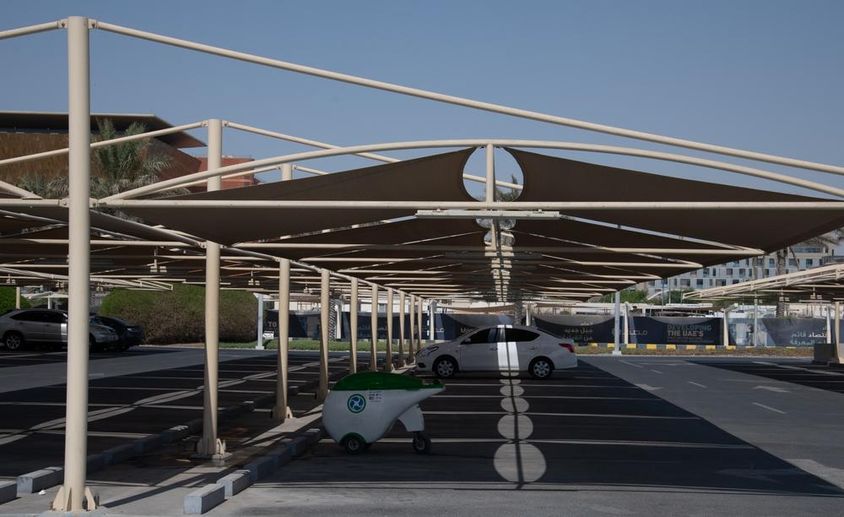
In the city of Sharjah, a new, much-discussed regulation has come into effect: the local municipality has banned the installation of carport shades that extend onto public spaces outside private properties. The regulation strictly states that any structure that extends beyond legally defined plot boundaries is considered a violation, regardless of its form, purpose, or material. According to the decree, any infringing shades will be removed, and owners may also face fines.
Why Are Street-Extending Shades Banned?
According to the municipality, the goal is to protect urban order and infrastructure. Shades installed outside private property often affect the condition and accessibility of underground utilities like water pipes and electric cables. Additionally, they can obstruct pedestrian traffic, parking areas, or emergency routes.
A technical director on the Sharjah Radio show "Direct Line" emphasized that the regulation's aim is not to obstruct residents but to maintain comprehensive urban planning, especially in rapidly growing residential areas where infrastructure burdens are increasing.
Public Concerns
However, the decree has not been universally well-received. Several residents have expressed dissatisfaction on various online platforms. They believe the ban ignores real housing and climatic challenges.
On one hand, the size of the plot for many villas or twin houses is insufficient to create a covered parking space within it. On the other hand, the summer temperatures in the United Arab Emirates, which often exceed 45 °C, pose a real threat to vehicles. Vehicles left in extreme heat can suffer damage to electronic systems, batteries, plastic parts, and interiors, not to mention the life-threatening risk of entering a car left in direct sunlight.
Many have noted they have already invested significant amounts in professional, aesthetic, and non-traffic-blocking shades. Their removal would not only represent a financial loss but also complicate daily life in a country where car use is practically unavoidable.
Is There a Solution?
In response to the debate, the municipality announced that they would provide technical assistance in the future for owners to redesign parking spaces internally. This could involve new entrances, rebuilt gates, or modifications to yard structures. However, this solution is not suitable for everyone, especially those who have fully utilized their buildable plot area or whose building characteristics don't allow for alterations.
More and more residents suggest that instead of a total ban, a permit system should be established. Under this framework, the municipality could issue permits for street-extending shades based on individual discretion, provided they demonstrably do not obstruct traffic, cover sidewalks, or affect infrastructure. This would strike a compromise between urban planning rules and practical needs.
Social and Urban Dialogue Needed
The current situation highlights the challenges of harmonizing urbanization and residential needs in a rapidly developing region like the United Arab Emirates. Protecting public spaces and infrastructure safety is important, but residents' comfort and daily life quality should not be overlooked.
The best solution would be for the municipality and residents to collaboratively develop guidelines that allow for regulated, safe, and aesthetically acceptable shade installations. This would increase public confidence in decision-making and prevent instances where regulations are too rigid and disregard everyday realities.
Summary
Sharjah's latest regulation is a classic example of the clash between urban planning objectives and residential needs. The ban on shades extending beyond property lines is technically justifiable, but solutions must also be found for residents' real issues. The summer heat, space constraints, and existing investments justify a more flexible, permit-based regulation. The technical assistance offered by the municipality is a positive step but does not replace the need for reconsidering regulations. Openness, meaningful dialogue, and consideration of real local experiences can lead to a livable and acceptable solution for everyone.
If you find any errors on this page, please let us know via email.