Dubai Flights Resume in Limited Capacity
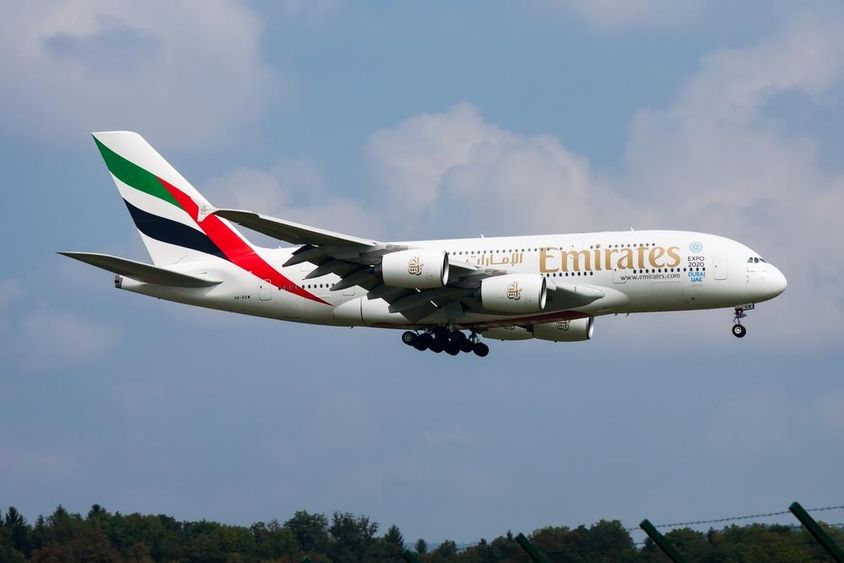
Limited Restart from Dubai: Emirates and flydubai Announcement
After recent regional airspace restrictions, Middle Eastern air travel has reached a turning point. Emirates and flydubai confirmed they will restart a limited number of flights from Dubai starting Monday evening. This decision does not signify a full schedule restoration but represents the first step in a gradual, controlled reopening process. The airlines emphasized that only certain flights will operate, while all other routes remain suspended.
The announcement affects thousands of passengers who have been following the news of airspace closures and flight cancellations with uncertainty over the past days. This move indicates that the stabilization of the situation has allowed the restart of certain routes, although full normalization still requires time.
Priority for Previous Bookings
Emirates highlighted in its announcement that passengers with previous bookings are prioritized. During rebooking, precedence is given to those who have been waiting for days to depart. The airline clearly stated that passengers transferred to these limited flights would be contacted directly.
It is important to emphasize that passengers were specifically asked by the company not to proceed to the airport without notification. Traffic around Dubai International Airport has been increased in recent days, and maintaining organization necessitates that only those with official confirmation show up.
This communication discipline is crucial in the current situation. With limited capacity, every seat counts, and the airlines aim to avoid terminal overcrowding.
Which flydubai Flights Will Operate?
Flydubai also confirmed it will operate certain flights from Dubai International Airport on the evening of March 2. The outbound flights include FZ 8489 (DXB–VKO), FZ 8205 (DXB–KZN), FZ 8263 (DXB–SVX), and FZ 8081 (DXB–OVB).
The returning flights include: FZ 662A (HGA–DXB), FZ 307A (ISB–DXB), FZ 326A (MUX–DXB), FZ 376A (ISB–DXB), and FZ 316A (SKT–DXB).
This list demonstrates that the current priority focuses primarily on certain regional and strategic routes. The selection of flights is based on operational, logistical, and safety considerations. The objective is to get the most affected passengers home as soon as possible and meet repatriation needs.
Suspended Schedule Reminder
Emirates made it clear that all other flights remain suspended until further notice. This means that the current restart should not be seen as a return to regular operations. The airline continuously monitors the situation and adjusts the operational schedule accordingly.
Air travel is extremely sensitive to regional events that affect airspace usability. The closure of an air corridor can have a domino effect on the flight networks of multiple countries. These current measures were made in such an environment.
Despite the uncertainty, the fact of the restart sends a positive signal to the market. Partial functionality indicates that safety and air traffic conditions allow flights on certain routes.
Possibility of Repatriation Flights
Earlier, Etihad also indicated that the restart of certain repatriation flights is conceivable. This is particularly crucial for those stranded abroad due to suddenly enacted restrictions. The primary goal of repatriation flights is not commercial operation but bringing passengers home.
The region's airlines work closely with authorities to ensure that every reinstated flight complies with the strictest safety standards. Designing the schedule is not just an economic issue but the result of complex international coordination.
What Does This Mean for Passengers?
For those affected, the most important task right now is to watch for official notifications. Airlines will directly notify rebooked passengers, making spontaneous trips to the airport unnecessary and expressly discouraged.
Online booking systems and customer service channels may remain heavily taxed. Experience shows that patience and continuous information monitoring are crucial during the gradual reopening.
For business travelers, the current situation poses a special challenge. Partial operations of Dubai-bound and departing flights mean that while international connections are not entirely halted, planning ability has significantly diminished. Companies should apply flexible travel strategies and be prepared for possible further changes.
The Importance of Dubai's Air Traffic
Dubai is one of the most important hubs of global air transportation. Due to its geographic location, the city plays a key role in connecting Europe, Asia, and Africa. When Dubai's flights operate on a limited basis, the impact extends far beyond the borders of the United Arab Emirates.
Therefore, the current partial restart holds not just local but international significance. For global air traffic, every reinstated route contributes to network stabilization.
Cautious Optimism for the Coming Days
The launch of Monday evening flights signals cautious optimism. However, the situation remains fluid. Airlines emphasize that operational decisions depend on the evolving safety environment.
The coming days will be crucial for determining whether the limited schedule can expand or further modifications are needed. The most important message for passengers now is to seek updates only through official channels and follow direct communications from airlines.
The partial restart of flights from Dubai is thus the beginning of a slow recovery process. Full normalization is yet to come, but the first step has been taken. The region's air travel has started moving again, albeit within limited confines.
If you find any errors on this page, please let us know via email.


