Reclaiming Money from Fake Tickets
How to Get Your Money Back from Fake Tickets?
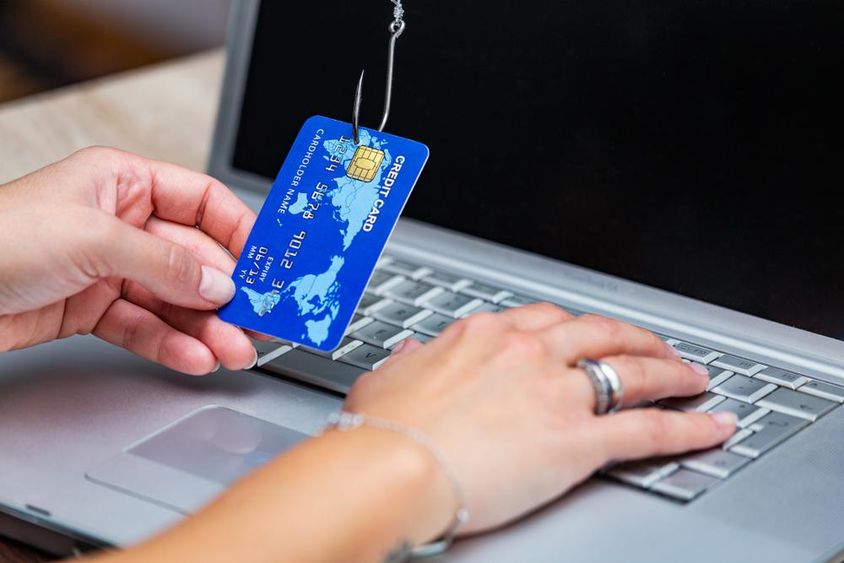
Online ticket purchasing has become so common that many people provide their credit card details without a second thought in the hope of a concert, sports event, or travel. However, behind digital convenience lie serious risks: fake websites, micro scams on social media, investment frauds, or fake rental advertisements all pose real threats. In Dubai, an increasing number of residents find themselves in situations where they only realize they've been scammed after the damage is done. Fortunately, there are legal and practical means for recovery — the key is to react quickly.
Fraud is often recognized only afterwards
Deceptive websites often eerily resemble the originals. A small typo, a different domain ending, or misleading design can be enough for someone to land on a scammer-operated site instead of the official one. Many don't even check the link, focusing only on the well-known logo. In such situations, the damage often occurs immediately: after OTP code approval, large sums can disappear from accounts within minutes.
Dubai police and other authorities regularly warn to purchase tickets, passes, or any services only through official channels. Anyone falling victim to a scam not only has the right but also the obligation to report the incident immediately.
What to do if the damage has occurred?
The UAE legislation clearly states that every fraud victim must immediately notify the authorities. The incident should be reported with all available evidence documented, which can include screenshots, email exchanges, transaction confirmations, website links — anything that can aid the procedure.
The first step is to contact the bank or financial institution’s customer service to immediately block the affected card. Increasingly, banks include a “report fraud” option in their automated menu systems, showing how widespread this issue has become.
It's important to know: speed is crucial. The sooner the card is blocked and the issue reported, the higher the chances of recovering some or all of the money.
Technological defense: 2FA, facial recognition, and delay
For prevention, every user should manage their devices and their security settings more consciously. Experts suggest that two-factor authentication (2FA), facial recognition, time-based delays, or biometric protection are all tools that reduce risk.
If someone loses their phone, they should immediately inform their bank, block the cards, and — if it's a company phone — notify the employer to disable email account access as well.
There are also legal possibilities for recovery
Many think that once the money is gone, it can never be recovered. This is not entirely true. According to the regulations of the UAE Central Bank, the financial institution must investigate the client’s complaint and take appropriate steps to reduce the losses. However, the complainant must also cooperate by preserving and submitting all relevant documents, correspondence, and screenshots.
The victim has the right to file a criminal complaint, take the perpetrators to court, and potentially claim moral or financial damages. Authorities and courts consider circumstances, and if fraud can be proven, the law stands on the side of the victim.
Why is the credit card important in the refund process?
Experience shows that payments made with a credit card have a higher chance of being successfully reclaimed than with a debit card. This is because credit card transactions are subject to special guarantees, and banks more frequently employ chargeback processes, which can revoke a disputed transaction.
Therefore, if someone is uncertain about a website's reliability or is purchasing there for the first time, it is preferable to use a credit card rather than an instant-charge debit card.
What to watch out for in the future?
The main lesson: never copy and paste automatically anything, especially not OTP (one-time password) messages. Read carefully what permissions the bank is asking for and check the amount. This also applies to website URLs: a single letter difference is enough to become a victim of fraud.
Furthermore, it is advisable to avoid unknown advertisers offering tickets or passes on social media or WhatsApp, and to purchase exclusively from official sources. If something seems too good to be true, it almost always is a scam.
Summary
Combating fraud is not only the responsibility of the state and banks, but also of users. Dubai is a modern, digital environment where awareness must accompany convenience. Those who act promptly can not only save their own money but also warn others about the dangers lurking behind seemingly harmless clicks.
Digital caution remains important in the future, and if trouble does occur, one must act quickly and decisively. The UAE's legal environment and financial institutions are prepared for such situations, but are you prepared as well?
(Source of the article based on Dubai Police announcement.)
If you find any errors on this page, please let us know via email.


