Ras Al Khaimah: New Speed Limit Ahead
Ras Al Khaimah's New Speed Limit Policy: A Significant Change Coming January 2026
The police in Ras Al Khaimah have taken a significant and forward-thinking step in traffic regulation: as of January 2026, the permissible speed on one of the busiest roads, Sheikh Saqr bin Mohammed Street (E18), will be significantly reduced from 100 km/h to 80 km/h. This decision followed detailed traffic and safety analyses and aims to protect human lives, reduce the number and severity of accidents, and enhance the culture of driving.
Which section is affected by the change?
The reduced speed limit affects the section of the E18 route that runs from the Applied Technology Schools to the Al Kharran roundabout. This road section is crucial for the connection between Ras Al Khaimah and other emirates. Thousands of vehicles pass through it daily, including residential and commercial zones, so it is not surprising that the authorities focus exceptional attention on the safety of this area.
Why now?
The reduction of the speed limit is part of a broader safety strategy. According to a statement from Ras Al Khaimah Police, the decision was made after examining several factors: the density of vehicle traffic, the exposure of surrounding residential and commercial zones, and accident statistics. There has been an increase in pedestrian presence, particularly around residential areas, making heightened caution and lower speeds essential.
What does this mean for drivers in practice?
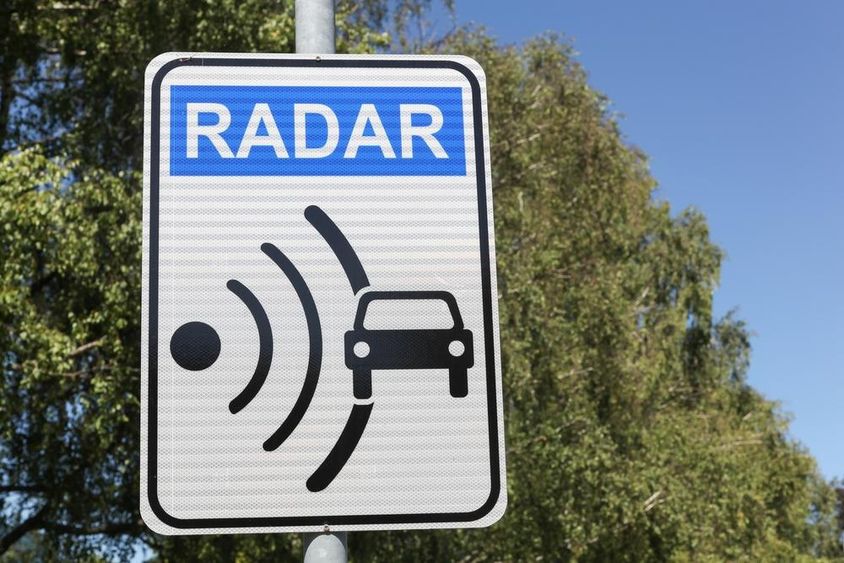
The new regulation will come into effect at the beginning of January 2026, and speed cameras will be adjusted accordingly. Cameras will begin penalizing at speeds over 101 km/h, operating with a 21 km/h tolerance zone. Drivers are warned to plan their journeys in advance and expect increased travel times on this road section.
However, this change is not merely a technical modification. The Ras Al Khaimah police urge drivers not only to comply with the rules to avoid penalties but also because adhering to the speed limit can save lives. Authorities remind us that road safety is a shared responsibility, and cooperation is crucial to achieving results.
Focus on Traffic Safety
The Ras Al Khaimah Police emphasized in their statement that the decision aims to prevent serious accidents, especially in areas where residential and commercial zones intersect. The high volume of vehicle traffic, regular pedestrian crossings, and increasing urban density collectively justify such traffic restrictions.
It has already been proven in many major cities worldwide that reducing speed limits contributes to a decrease in the number of road accidents, especially in cases involving pedestrians and cyclists. With this step, Ras Al Khaimah sends a clear message: the safety of the population comes first.
Further measures expected
Police emphasized that they continuously monitor traffic data, and if similar interventions become necessary on other road sections, new rules will be implemented there as well. The goal is to create a comprehensive, safer road network that serves the interests of all road users—drivers, pedestrians, and cyclists alike.
Message to Drivers: Be Aware and Adapt
Authorities strongly urge motorists not to drive out of habit but to pay attention to the posted traffic signs and adapt to current regulations. Speeding in urban traffic is not only a violation but also poses a significant life-threatening risk. Timely reactions, maintaining following distances, and reducing speed all contribute to preventing accidents.
Closing thought: A Shared Responsibility
The implementation of the new speed limit is not just a rule change but a further step in community thinking. As Ras Al Khaimah develops, our responsibility towards each other grows. The police and traffic authorities are committed to creating modern, safe, and efficient transportation. Drivers need to approach this as partners by driving orderly, attentively, and patiently because the roads belong to everyone.
This change presents both a challenge and an opportunity: the opportunity to establish a more livable, safer Ras Al Khaimah—for everyone.
(The article is based on a statement from Ras Al Khaimah Police.)
If you find any errors on this page, please let us know via email.


