Over 100 UAE Airplanes Undergo Airbus Recall
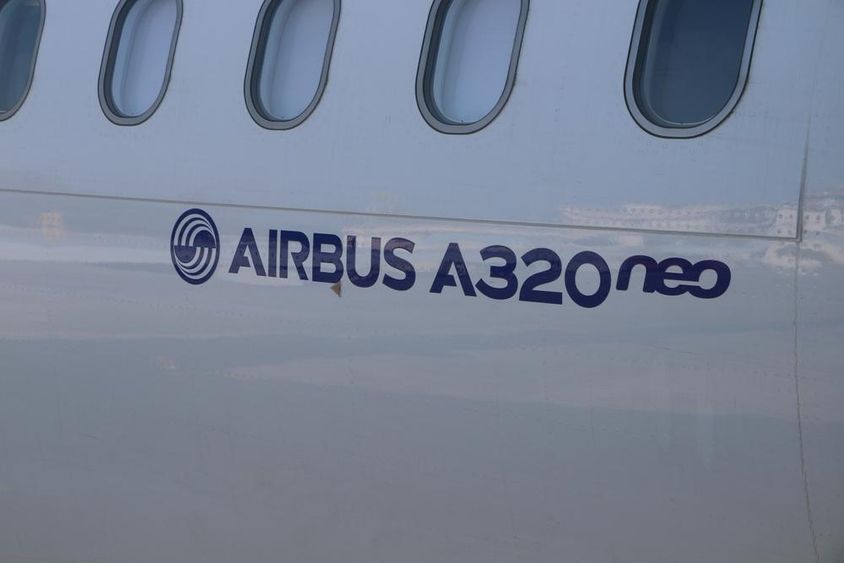
More Than 100 Planes Affected by Airbus Recall in UAE - Authority Assures Safe Operations
The safety of aviation is always a primary concern in air transport, especially in countries serving densely trafficked routes like the United Arab Emirates. This past weekend, Airbus's announcement that around 6,000 aircraft from the A320 family worldwide need urgent inspection and repair created significant reverberation. This measure affects more than half of the global fleet, naturally impacting UAE airlines as well.
The General Civil Aviation Authority (GCAA) of the UAE confirmed in an official statement on Sunday that more than 100 Airbus aircraft registered in the country are affected by the recall. However, they emphasized that flight operations have not been disrupted, and all affected flights continue to operate safely.
The Source of the Issue and Airbus's Urgent Step
The emergency maintenance call issued by Airbus (Alert Operators Transmission, AOT) along with the related Airworthiness Directive appeared late Friday night. The recall involves A319, A320, and A321 models - among the world's most widespread short- and medium-haul aircraft. Although the precise technical problem details were not disclosed, the manufacturer's swift response suggests it might be a potentially serious issue that could jeopardize future safe operations.
UAE's Response: Swift Inspection, Smooth Continuation
Following Airbus's notification, the GCAA took immediate action. The authority meticulously reviewed the documentation, announcements, and compliance reports of all affected airlines. During this process, they confirmed that all necessary measures have been carried out according to the Airbus directives.
The authority highlighted: "After receiving the notification from Airbus, we conducted thorough screening and regulatory oversight at all affected operators. Based on the received reports and compliance documents, it was confirmed that all necessary steps were timely and fully taken."
Who is Affected in the UAE?
According to industry analyst firm Cirium, there are currently 106 Airbus A320 aircraft operating under UAE airlines. Of these, 39 are part of the national airline Etihad Airways fleet, while 67 are operated jointly by Air Arabia and Air Arabia Abu Dhabi.
This number is particularly significant considering the UAE's regional role in aviation, with numerous international transfers occurring daily through Dubai and Abu Dhabi, alongside a large volume of tourists, businessmen, and cargo traffic conducted on these routes.
Why is This Important for Passengers?
Aircraft recalls generally cause a great deal of alarm among passengers, especially when the media does not communicate the events appropriately. In the UAE case, however, it is reassuring that authorities handled the situation quickly and effectively.
According to the GCAA statement, "Full compliance is ensured, and all affected operators can continue their flight activities safely." This kind of transparency and rapid response is crucial in maintaining public and travelers' trust.
What Lessons Can Be Drawn?
The aviation industry operates as a complex system where the close cooperation of aircraft manufacturers, airlines, national authorities, and international regulatory bodies is necessary to ensure safety is never compromised.
Airbus's example shows that preemptive measures, even if they involve mass recalls, are essential for sustainable long-term safe aviation. The rapid response from the UAE proves that local authorities are well-organized and prepared to handle such crises.
Flying Remains Safe
Despite more than a hundred aircraft being affected by the Airbus recall in the United Arab Emirates, there were no disruptions in flights, and all operators executed the necessary repairs or checks on time. The supervision by the authority, along with operators' cooperation, ensured that passengers practically noticed none of this.
Dubai and Abu Dhabi airports remain among the busiest and most reliable aviation hubs in the world. The efficiently and transparently managed situations like this only strengthen their position and passengers' sense of safety.
Passengers have no reason to worry: the aircraft are safe, and the authorities do everything to ensure it stays that way - regardless of how many planes are involved in an international recall operation.
(Source of the article: Based on the General Civil Aviation Authority (GCAA) statement.)
If you find any errors on this page, please let us know via email.