Navigating Real Estate in Dubai Divorce
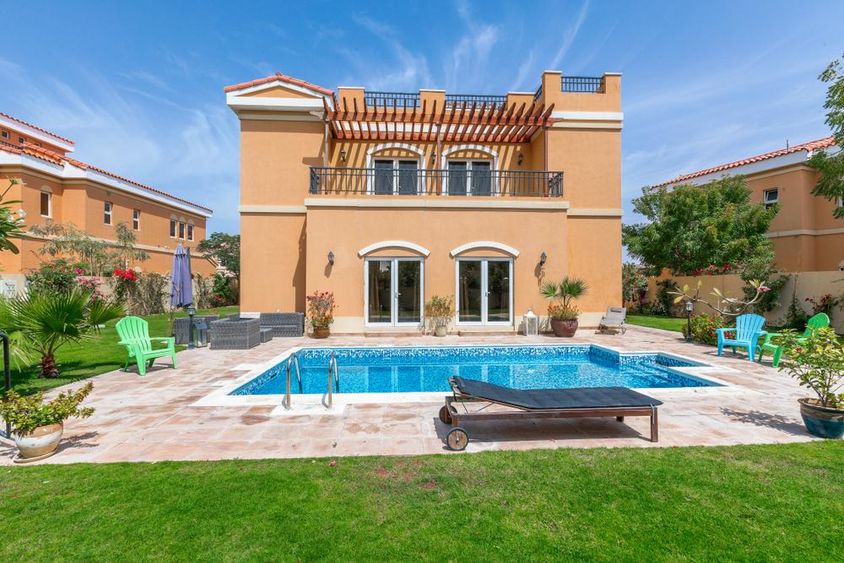
Real Estate Division in Case of Divorce in the UAE: What Happens to the Shared Villa in Dubai?
For expatriate couples residing in the United Arab Emirates, especially in Dubai, the question often arises: what happens to the jointly inhabited property if the marriage ends in divorce? The situation can be particularly complex if the villa is registered under one partner's name, while the other partner has financially contributed to its maintenance or mortgage repayments. Such circumstances are not only emotionally but also legally sensitive, making it vital to understand the situation based on Dubai's legal provisions.
Basis of Ownership: Title Deed Issued by the DLD
The legal framework regarding properties in Dubai is regulated by the Dubai Land Department (DLD), responsible for maintaining property records and issuing official title deeds. According to Articles 22 and 24 of the legal statute, the title deed issued by the DLD is considered an absolute document for establishing ownership. This means that only the person whose name appears on the title deed is considered the legal owner, regardless of each party's contribution to the property's costs during the marriage.
For example, if a villa is registered solely in the husband's name, he is considered the sole owner according to the law and is entitled to exclusive usage rights. This holds true even if the wife lived there with the family for years and financially contributed to the mortgage.
What Happens in the Event of Divorce?
In the event of a divorce, the ownership remains with the individual listed as the owner by the DLD. However, this does not automatically mean that the other party—particularly the parent living with the children—must immediately vacate the premises.
The Dubai court always considers the children's interests during a divorce. If the mother retains custody of the children, the court may order that she and the children continue to live in the villa as a temporary measure, even if it is officially in the father's name. However, this is not a transfer of ownership and does not provide permanent housing rights; it merely serves to temporarily protect the children's welfare.
What if the Villa is Jointly Owned?
If the property is registered in both spouses' names, the ownership rights are shared according to the ownership ratio. In such cases, any decision regarding the property—such as selling or dividing it—must be made jointly unless otherwise directed by the court.
In such instances, it is common for one party to buy out the other's share, or they may decide to sell the property and split the proceeds according to ownership stakes.
Financial Contribution and Compensation Claims
If a wife—or even a husband—has financially contributed to the property (for example, by making instalment payments, providing the down payment, or covering other costs) but is not on the title deed, they may seek to recover their portion through legal channels.
This is not automatic and does not alter property ownership, but it may allow the individual to recoup the invested amount. Documented evidence such as bank transfers, joint contracts, or witness testimonies may be required.
What to Do in Such Situations?
Divorce, especially when children are involved, is emotionally taxing. In such situations, it is advisable to seek the assistance of an experienced UAE property law attorney to protect legal interests as soon as possible. It's important to document all financial contributions and, if possible, clearly define property ownership rights during marriage, possibly even in contractual form.
Being foresighted is beneficial. Many opt for a prenuptial agreement or cohabitation agreement, which predetermines how real estate and other assets will be divided in the event of a divorce. While these documents are not always binding in Dubai courts, they can aid in fair decision-making.
Summary
The Dubai real estate market rests on stable legal foundations, and ownership is determined solely by the title deed issued by the Dubai Land Department. This registration is the starting point for all legal proceedings in the event of divorce. If one party's name is not on the title deed, they lack automatic rights to use or possess the property, even if they lived there for years. However, the court prioritizes children's interests and may grant temporary housing rights to the non-owner parent.
The key takeaway is that legal preparation and foresightedness are crucial—especially when expatriate families live and build a life in Dubai over the long term.
(Source of the article: based on Dubai Land Department (DLD) regulations.)
If you find any errors on this page, please let us know via email.


