Navigating Delays in Dubai Real Estate Deals
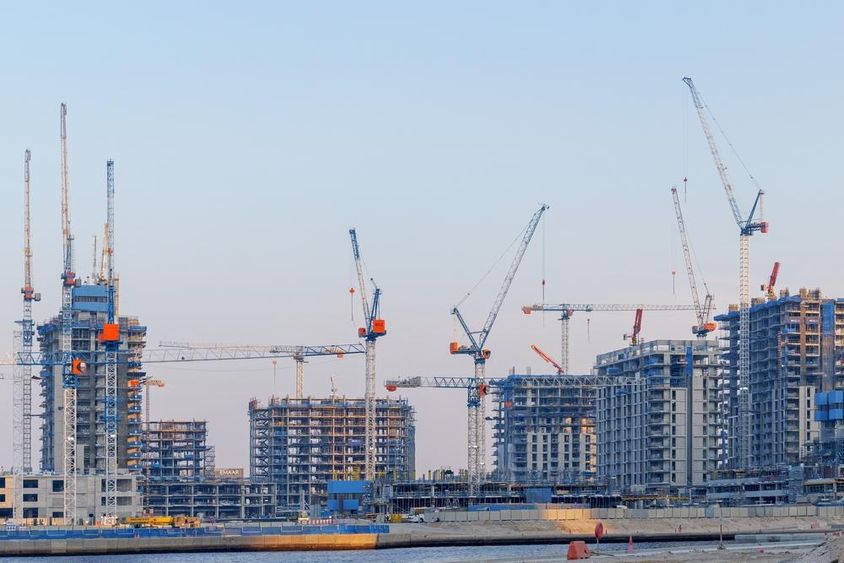
Real Estate Purchase in Dubai: What to Do if Delivery is Delayed?
Buying off-plan real estate, meaning purchasing property before it is completed, has been a popular option in Dubai for years, especially for those looking to enter the emirate's rapidly developing real estate market at a more favorable price. However, buyers often encounter developer delays that question the project's timely completion. In such situations, the question arises: what legal protection do buyers have in Dubai?
The Role of the Sales Purchase Agreement
The foundation of any off-plan real estate purchase is a formal Sales Purchase Agreement (SPA), which details the transaction terms. This includes the precise description of the property, the purchase price, the payment schedule, the intended completion date, and provisions for compensation in the event of delays. The agreement may also cover force majeure situations and the applicable jurisdiction for legal disputes, typically referring to Dubai courts.
The legal relationship between the parties is governed primarily by this document, and the parties are required to fulfill its terms in good faith. This is also a requirement under Article 246(1) of the United Arab Emirates Civil Transactions Code: "The contract must be executed in compliance with its contents and in accordance with the requirements of good faith."
What Happens in Case of Breach of Contract?
If the developer fails to meet the deadline or otherwise breaches the obligations stipulated in the contract, the buyer may be entitled to claim compensation—either based on the contract or through a court decision. According to Article 295 of the law, the compensation is typically monetary, but in special cases, the court may order the restoration of the original contract status, or mandate other specific actions to remedy the grievance.
This legal framework provides a real safeguard for the buyer, ensuring protection if a project is delayed or becomes unfeasible.
Before Litigation: Peaceful Resolution at the Dubai Land Department
However, before resorting to the courts, the first step is often to approach the Dubai Land Department (DLD). Its duties include mediating disputes between developers and buyers and encouraging peaceful settlements if possible.
The DLD can even document the compromise in written form, which, upon the parties' signatures, becomes an official and legally binding document. Such settlements can offer a faster and more cost-effective solution than court proceedings.
DLD's Authority
If the DLD finds the buyer’s complaint justified and assesses that the developer has violated contract terms or existing statutes, it can draft an official report and forward it to the appropriate authorities for investigation. This can exert significant pressure on the developer, who is then legally accountable for any determined breaches.
This option is particularly important for those who either cannot or do not wish to immediately pursue court action but still want to officially protect their interests.
The Concept of Force Majeure
Naturally, there can be instances where the developer is unable to complete the project on time due to genuine unavoidable reasons. These cases are classified under the legal concept of force majeure, including natural disasters, wartime events, or other external factors.
In such cases, the developer can claim that the project could not be completed due to circumstances beyond their control, and they may be exempt from obligations for compensation—but they must prove this to the appropriate authority or court each time.
Pursuing Legal Action
If a peaceful agreement does not resolve the situation, or if the buyer chooses not to act through the DLD, they may proceed directly to Dubai's competent courts. The court will then judge the legitimacy of the compensation claim and can decide on monetary compensation or other restorative measures.
In such lawsuits, it is crucial for the buyer to properly gather and present all available documentation—such as the contract, correspondence, payment receipts, and developer communications—to the court.
What to Consider Before an Off-Plan Purchase?
Despite legal protection, it is wise to exercise caution and make foresighted decisions from the early stages of purchase. It is important to choose a reliable, licensed developer with a proven track record and references in Dubai. Looking into the success of past projects and other buyers' delivery experiences is advisable.
Similarly, paying attention to a thorough review of the SPA, obtaining legal advice, and fully understanding the payment schedule is essential—as payments are often tied to developer claims instead of the degree of completed construction.
Summary
Dubai's real estate market is highly dynamic and offers numerous opportunities for both investors and prospective homeowners. Still, there are realistic risks with off-plan purchases, particularly if the developer fails to fulfill their commitments.
Fortunately, buyers are not left without legal protection: the SPA and the emirate's legislative framework provide avenues for compensation, legal remedies, and the DLD is available to facilitate peaceful resolution attempts. However, all this functions effectively only when the buyer is informed, cautious, and meticulously documents the entire process from the first step to the final payment.
(Based on the United Arab Emirates Civil Transactions Code.)
If you find any errors on this page, please let us know via email.


