Musandam Earthquake: UAE on High Alert
Earthquake in Musandam: Small Tremors, Rising Attention in the UAE
On December 28, 2025, residents in certain parts of the United Arab Emirates experienced minor earth movements in the early morning hours, following a 2.9 magnitude earthquake recorded by the National Centre of Meteorology's (NCM) seismic network in southern Musandam. The quake occurred at 4:44 a.m. and originated from a depth of just 5 kilometers. Although the event caused no damage or disruption in the country, the mild tremors were perceptible to some residents.
Where is Musandam, and why does it concern the UAE?
Musandam frequently draws attention due to its unique geographical location. Situated on the southern part of the Strait of Hormuz, the area is chiefly governed by Oman as part of the Musandam Governorate, yet parts of Ras Al Khaimah and Dibba belong to the UAE. This geopolitical division and the region's tectonic activity make Musandam and its surroundings a sensitive point for regional seismic observations.
Increasingly frequent earth movements in the region
While severe earthquakes are not typical in the UAE, several events have occurred in the surrounding countries and border areas in recent months. For instance, on November 4, a 4.6 magnitude quake shook southern Musandam, with effects felt by UAE residents. Similarly, a December 17, 4.3 magnitude earthquake rocked a province in Saudi Arabia, while a 3.3 magnitude tremor was detected in Bahrain on December 1.
A common characteristic of these events is that none have caused damage in the UAE. However, they reinforce the awareness that the region is not entirely free from seismic activity. The November 22 earthquake in Iraq, measuring 5.0, also highlighted the seismic vibrancy of the Middle Eastern zone.
Madha: a unique geographical phenomenon in the heart of the region
The Omani Madha region, an Omani exclave within the UAE, also experienced an earthquake in August. At that time, a 2.2 magnitude tremor struck, causing no damage but underscoring the area's susceptibility to subterranean movements. Madha's uniqueness lies in its being wholly situated within the UAE yet administratively belonging to Oman and associated with the Musandam Governorate.
Why are these tremors felt in the UAE?
The United Arab Emirates is situated near the Zagros Mountains, which extend across Iran and Iraq. This mountain range is among the world's most seismically active zones, regularly producing minor to moderate earthquakes. While the epicenters often lie hundreds of kilometers from the UAE's borders, the seismic waves can still reach the northern parts of the country, particularly Ras Al Khaimah, Fujairah, and the Sharjah regions.
According to a previous expert statement, due to the Zagros Mountains' activity, earth movements may occasionally cause tremors that are felt in the UAE, even if they do not cause direct damage.
The public reaction and safety preparedness
The recent 2.9 magnitude quake did not disrupt transportation or infrastructure, and the NCM quickly confirmed that residents need not worry. Nevertheless, more residents are becoming interested in knowing what to do in similar situations. Due to the occasional occurrence of minor tremors, more residential communities and educational institutions are seeking guidance from authorities on what evacuation protocols should be implemented if necessary.
Technological background and predictions
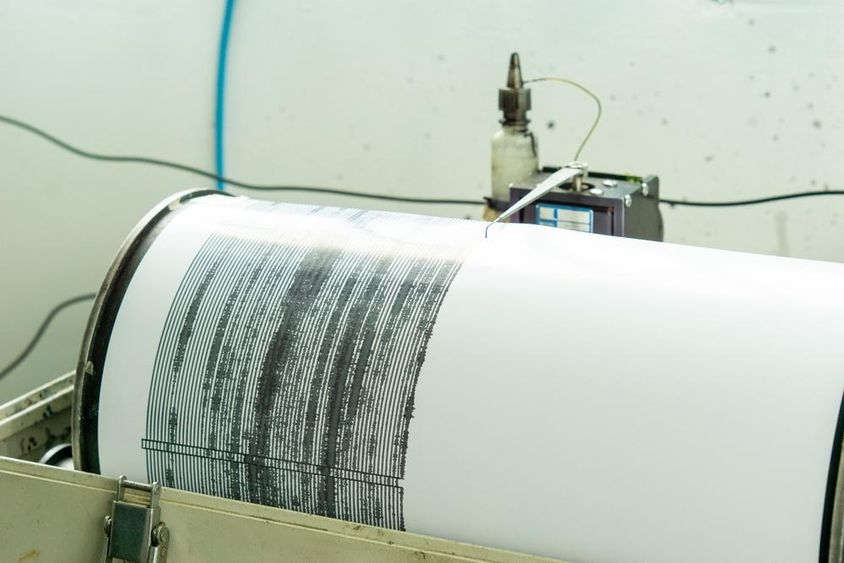
The United Arab Emirates has a state-of-the-art seismic monitoring network that allows real-time recording and analysis of quakes. The system operated by the NCM can precisely determine the location, depth, and magnitude of earthquakes, enabling swift notification to relevant authorities and the public.
Although the climate and geological features of the UAE do not place it among the most earthquake-prone zones, the region's proximity to the Zagros belt necessitates continuous monitoring.
Summary
The earthquake that occurred in the Musandam area on December 28 serves as a reminder that while the United Arab Emirates is situated in a relatively stable seismic environment, it is not entirely free from earth movements. Frequent earthquakes in neighboring countries—Oman, Iran, Iraq, and Saudi Arabia—sometimes cause minor tremors in the UAE as well.
The country's efficient seismic monitoring system and rapidly responding authorities ensure that the public is promptly informed of any significant events. Nonetheless, going forward, it will become increasingly important to prepare the population on how to react if a larger quake occurs in the region. Awareness, knowledge of safety protocols, and heightened alertness can help ensure that potential future events do not result in significant consequences for the country.
(Source of the article: National Centre of Meteorology's (NCM) measurements.)
If you find any errors on this page, please let us know via email.


