Middle East Air Travel Chaos: 700 Flights Cancelled
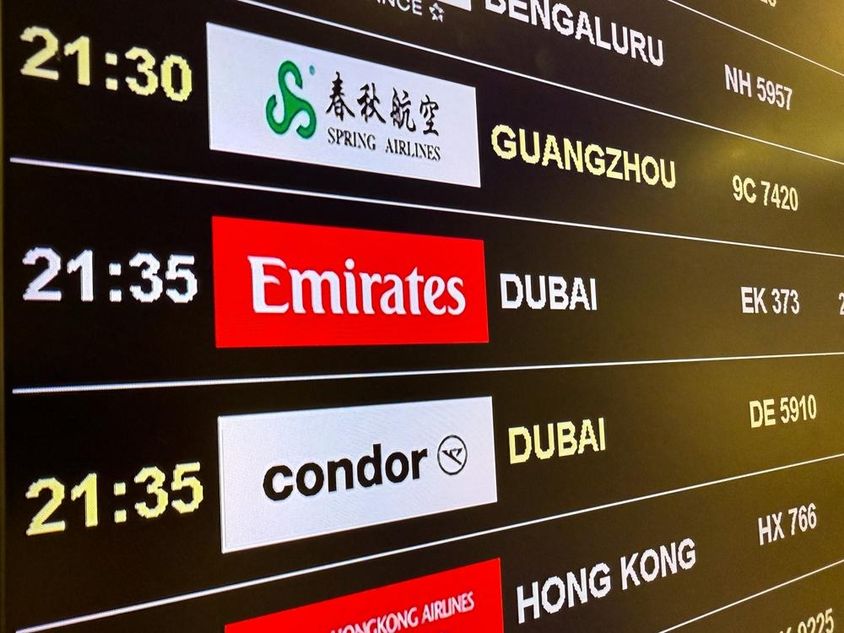
More Than 700 Flights Cancelled in the Middle East: Aviation Chaos Amid Wartime Tensions
The recent wave of armed conflict in the Middle East has had severe repercussions on civil aviation. Over 700 flights have been cancelled in a single day in the region due to the escalating war situation. The number of affected routes is increasing hourly, and airlines are constantly updating their schedules in light of security risks. The situation impacts not only travelers but also the entire region’s economy.
According to data, on a given day, there were a total of 4,329 scheduled flights in the Middle East, of which 716 were officially cancelled. The numbers are expected to rise as airlines make further decisions and update their flight plans throughout the day. Strict security measures have been implemented in the airspaces of countries affected by the conflict, with several routes completely closed and others temporarily restricted.
Airspace Closures and Alternate Routes
One of the biggest challenges in the current situation is airspace security. Due to military operations, missile attacks, and drone activities, the airspace of several countries has been partially or completely closed. Civil aircraft must use alternative routes, significantly increasing flight time, fuel consumption, and operational costs.
The airspace closures have triggered a domino effect. Each country’s decision affects not only its own traffic but the entire region. International hubs, including Dubai, are particularly vulnerable to such disruptions since they function as global transfer centers. If certain parts of the region become inaccessible, the transfer traffic also declines, potentially leading to more flight cancellations.
Thousands of Travelers in Uncertainty
Behind the hundreds of cancelled flights are tens of thousands of passengers who suddenly find themselves in uncertainty. Families, business travelers, tourists, and transit passengers are all affected. Long lines have formed at airport service desks, while many are trying to modify or refund their tickets online.
Most airlines offer flexible rebooking options; however, the rapidly changing situation often makes information obsolescent within minutes. Further cancellations are expected throughout the day, increasing uncertainty. Intercontinental flights departing from or bound for the region are particularly affected because not only is the destination but also the transit route potentially problematic.
Economic Consequences in the Region
Aviation is a critical pillar of the Middle East economy. A significant portion of tourism, international trade, and business relations takes place through air travel. The cancellation of hundreds of flights means a direct loss of revenue for airlines, airports, and related service providers.
Indirectly, the hotel industry, catering, and event planning might also be affected. Particularly in Dubai, where the economy largely relies on international traffic and transit travelers, prolonged disruptions could pose severe challenges. The operation of a global hub depends on predictability and safety, and any instability could pose long-term reputational risks.
Safety Above All
Primarily, flight cancellations are due to safety considerations. Civil aviation cannot take risks in areas where active military operations are underway. Flight routes are continuously monitored, and restrictions are implemented immediately once an area becomes dangerous.
Based on experiences from past years, airlines react extremely swiftly to geopolitical events. Modern air traffic management systems and real-time data analysis allow decisions to be made in minutes. However, a quick response does not mean that passengers are not inconvenienced.
What to Expect in the Coming Days?
The current figures—716 cancelled flights in a single day—are already significant. However, experts suggest this might be just the first wave. If the conflict drags on, the number of cancellations may rise, and airlines might even suspend operations in the entire region.
It is also possible that certain routes will be temporarily restructured to avoid the most affected airspaces. This, however, could result in longer flight times and possible delays. The most crucial advice for passengers right now is to always check the status of their flight before departure and to anticipate rapid changes in the situation.
Impact on Dubai
As one of the most important aviation hubs in the region, Dubai is particularly sensitive to geopolitical tensions. The city’s airport is one of the busiest international transfer centers in the world, with thousands of flights operating daily. If the airspaces of neighboring countries are restricted, it directly affects both inbound and outbound traffic.
In the short term, stabilizing the schedule is the biggest challenge. In the long term, however, the progression of the security situation will determine how quickly aviation can return to normal operations. Although the city’s infrastructure and crisis management experience are strong, even a global hub cannot entirely shield itself from the effects of regional conflicts.
The Beginning of an Uncertain Era?
The cancellation of more than 700 flights is not just a statistic but also a warning sign. Global transportation is closely intertwined with geopolitical stability. When security falters, aviation is the first sector to react.
The coming days and weeks will be crucial. If the conflict subsides, flights can be rescheduled relatively quickly. However, if escalation continues, the current cancellations may be just the prelude to a prolonged period of aviation uncertainty.
Passengers, airlines, and the region’s economy are all closely monitoring developments. The most important thing now is safety, speedy information flow, and adaptability. The history of aviation contains many managed crises—the question now is the depth and duration of this conflict’s impact on Middle Eastern air traffic.
Source: Daily News img_alt: A departure board at an airport.
If you find any errors on this page, please let us know via email.


