Major Changes in U.S. ESTA System
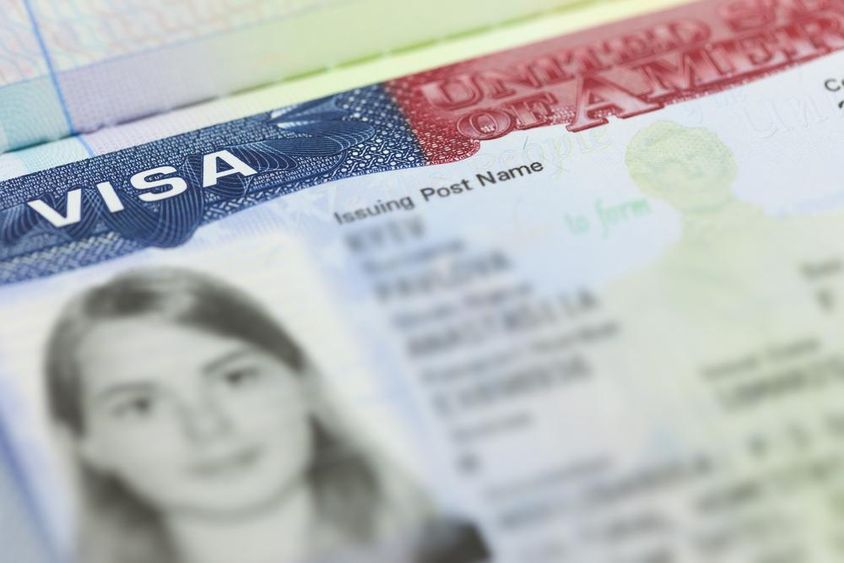
Significant Changes to the U.S. ESTA System – What Every Traveler Needs to Know
The proposed new regulations in the United States Travel Authorization System (ESTA) have surprised many worldwide. While the mandatory disclosure of social media accounts received the most attention, the planned modifications are much deeper and could significantly change how travelers can enter the country. The aim of the new regulations is stricter monitoring of entry into the United States and filtering out potential security risks. At the same time, these changes raise serious concerns about privacy and data protection.
What is ESTA, and who does it apply to?
The ESTA (Electronic System for Travel Authorization) is an electronic travel authorization system developed for citizens of countries participating in the Visa Waiver Program (VWP). This system allows eligible travelers from these countries to stay in the U.S. for up to 90 days for tourism or business purposes without having to apply for a traditional visa.
Currently, 42 countries are part of this, including Hungary, Germany, France, Austria, and Japan. The ESTA is typically approved electronically within a few hours and is valid for two years, during which time multiple entries into the country are possible.
What exactly is changing?
According to the proposed amendments, the following changes could be implemented in the ESTA system:
1. Website elimination – The option to apply via the official ESTA website will be discontinued. From now on, new ESTA applications can only be made through a mobile application. The website will remain only for displaying information and checking status.
2. Exclusion of Romania from the program – Romania will be removed from the visa waiver program, meaning Romanian citizens will no longer use the ESTA system and will need a traditional visa.
3. Mandatory social media data – Applicants must now provide social media accounts from the past five years (e.g., Facebook, Instagram, X, TikTok, LinkedIn).
4. Extended personal data collection – The new system will request much more detailed information:
- Phone numbers from the past five years
- Email addresses from the past ten years
- IP addresses and photo metadata
- Data on family members (name, date of birth, place, address, phone number)
- Work email addresses and business phone numbers
5. Biometric data – The new regulations would introduce the mandatory use of facial recognition, fingerprints, iris scanners, and even DNA samples for traveler identification.
Who is affected by all this?
The changes affect every traveler intending to visit the United States via the ESTA system. Those most affected are those who regularly travel for business or tourism and have, until now, been able to enter the country quickly under the visa waiver program. Citizens of the following countries are included (a few examples):
Hungary, Austria, Germany, France, Italy, Spain, Japan, South Korea, Israel, New Zealand, Australia, Singapore, Sweden, Switzerland, United Kingdom, etc.
Why is all this happening now?
According to the U.S. Department of Homeland Security, the goal is to enhance security. With extended data collection, those posing a potential threat to the country could be better filtered out. Social media, IP addresses, and even biometric samples would be used to build profiles to decide before reaching the border who might pose a security risk.
However, many are concerned that this data collection is excessive and disproportionate. Rights organizations say monitoring social media and requesting DNA samples could violate individuals' right to privacy, and it is unclear how and for how long these data will be stored.
What should someone planning a trip now do?
The current ESTA rules are still in effect, so those planning a trip to the United States soon can apply under the old system. The new regulations are still in draft form and are under public review. However, it is advisable to keep an eye on the official ESTA site, as the new regulations could come into effect at any moment.
Those who travel regularly may want to update their contact information now, review their social media profiles, and prepare to provide much more personal data in the future.
How could this impact global tourism?
The stricter regulations are expected to deter many from traveling to the United States. Younger travelers, in particular, who have a lot of social media activity and are reluctant to share this with authorities, may be affected. Additionally, countries with data protection regulations (such as EU member states) may face serious international debates concerning the mandatory collection of DNA and other biometric data.
Conclusion
The changes in the ESTA system clearly point towards stricter entry practices, aiming to serve data security and counter-terrorism efforts. However, these measures elevate traveler scrutiny to a new level and raise serious questions about personal freedom and data protection.
Those planning to visit the United States soon should keep abreast of official announcements and be prepared for travel to involve not just passports and plane tickets but possibly DNA samples and IP tracking as well.
(The article source is based on the Trump administration's announcement.)
If you find any errors on this page, please let us know via email.