Jebel Jais Closes: Impact on UAE Tourism
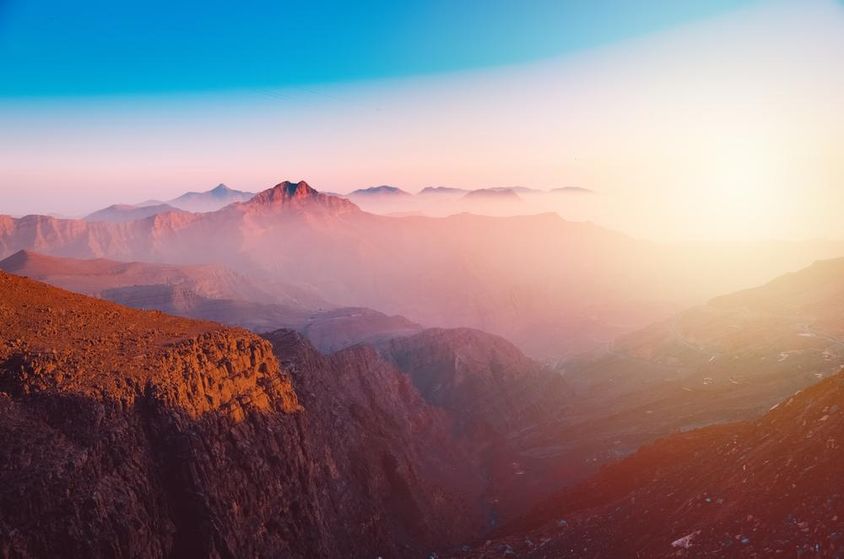
Temporary Closure of Jebel Jais Following Rainfall: Why It Matters for the Entire UAE
The highest mountain peak in the United Arab Emirates, Jebel Jais located in Ras Al Khaimah, has been temporarily closed following heavy rainfall experienced between December 17 and 19. While at first glance it may seem like merely a temporary suspension of a tourist attraction, it actually signifies much more. The closure of Jebel Jais is a serious indicator of the delicate balance between weather extremes and sustainable tourism.
Why was Jebel Jais closed?
According to official statements, the recent rainy weather has left water in the various parts of the mountain, resulting in slippery roads, rockfalls, and unstable hiking trails. In a preventive approach, all outdoor activities have been suspended - including the world-famous Jais Flight zipline, the 1484 by Puro restaurant, the Red Rock BBQ, the Via Ferrata climbing route, the Bear Grylls Explorers Camp adventure camp, as well as yoga classes at the Jais Viewing Deck Park.
Authorities strongly urge visitors to avoid areas around wadis (dry riverbeds), where standing water and loose rocks can pose particularly dangerous situations. Although hiking and climbing areas have not yet been officially closed, expert teams are currently assessing conditions and continuously evaluating risks.
More Than Just a Tourist Destination: The Importance of Jebel Jais
Jebel Jais is not just a hiking spot; with its height of 1,934 meters, it is the UAE’s highest point, and also one of the most popular destinations for nature lovers, hikers, climbers, and adventurers. As part of the Hajar Mountain range, it harbors millions of years of geological history and is especially popular during the winter months, when the lower-lying areas of the UAE still have milder weather.
In winter, the visitation to Jebel Jais increases as the fresh mountain air, cool nights, and breathtaking panorama attract those looking to escape the hustle and bustle of coastal cities for a while. This current closure is therefore particularly sensitive for the local tourism sector – yet it was a necessary step for the safety of visitors.
Weather and Nature: Balancing Tourism
In recent years, weather extremes previously considered rare - such as heavy rainfalls and flash floods - have become more frequent even in the UAE. This trend presents challenges not only for urban infrastructure but also for nature-focused tourist attractions.
The current case exemplifies that visitor safety is always a priority. The swift and comprehensive response – including road closures, program suspensions, and maintenance work initiation – demonstrates that local authorities prioritize risk management, while striving to minimize the long-term impact.
The Importance of Gradual Reopening
According to official statements, the reopening of Jebel Jais programs will occur gradually. Each attraction will be individually assessed, and operations will only resume when the area is deemed safe. This step not only serves to protect the physical integrity of visitors but also preserves Jebel Jais's reputation – since a potential accident could negatively impact both the natural environment and tourism as a whole.
Maintenance work is currently ongoing, and updates are provided to interested parties through official Jebel Jais channels. Local service providers and tourism operators also urge patience from travelers, supporting the gradual reopening, which could result in more sustainable operations in the long run.
A Message to Visitors: Caution, Not Panic
Although most hiking trails are theoretically still open, experts advise that in the coming days only experienced hikers should attempt to approach the mountain, and even they should stick to safely designated paths. Weather fluctuations, rock instability, and slippery trails contain hidden dangers.
At the same time, the closure offers an opportunity: to reassess how we use natural environments for tourism purposes, and how to better prepare for sudden weather changes in the future.
Summary
The temporary closure of Jebel Jais serves as a reminder that we don’t have complete control over the forces of nature, and responsible tourism is always based on safety. The mountain, with its dignity and challenges, will continue to await visitors – but only when it can safely do so once again. One of the UAE’s most visited outdoor locations is now resting, but it is sure to come alive once more soon – this time with an even more conscious respect for nature.
(Source based on Ras Al Khaimah authorities' announcement.)
If you find any errors on this page, please let us know via email.


