Impacts of the Indian Rupee's Record Drop
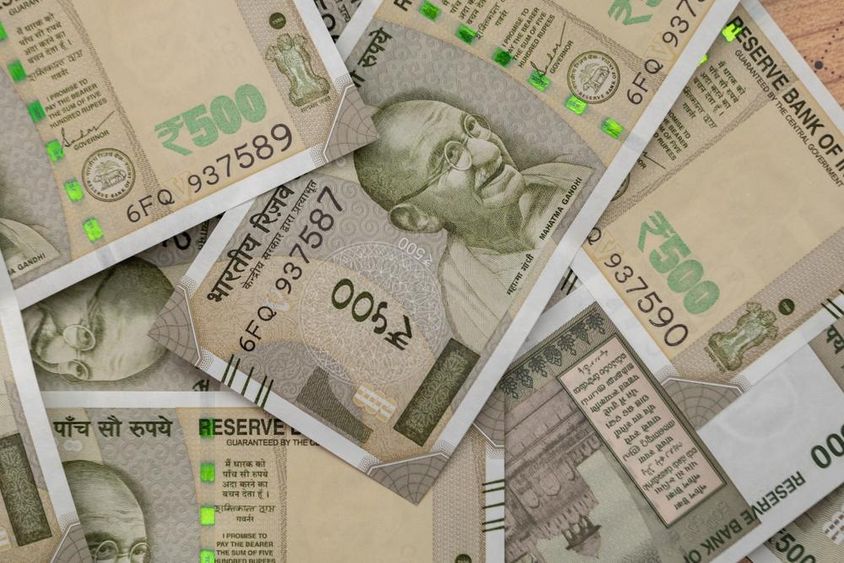
Weaker Indian Rupee Crosses 25 Threshold Against UAE Dirham: What It Means for the Economy and the Population?
In recent days, the Indian rupee reached a historic level: it surpassed the threshold of 25 against the official currency of the United Arab Emirates, the dirham. This means that more than 25 rupees now have to be paid for 1 dirham – and this is not just a number on the currency tables but has serious consequences for international trade, remittances sent home by Indian workers, and inflation expectations.
Background of the Currency Exchange Rate Change
The recent wave of rupee weakening occurred in an economic environment where India's central bank, the Reserve Bank of India (RBI), actively tried to prevent excessive depreciation. However, according to market players, the RBI did not try to protect a specific exchange rate level this time but rather focused on mitigating volatility: it provided dollar liquidity at various levels to try to slow the decline.
Last week's exchange rate drop – which reached 1.18 percent – is more than a warning sign. The rupee came close to the 92 level against the US dollar, which in itself is record-worthy. Since the dirham, pegged to the US dollar, remains almost unmoved, the weakening against the Indian currency clearly reflects the rupee’s weakness, not the dirham’s strength.
What's Behind the Weakening?
The primary factor behind the weakening is the significant amount of foreign capital flowing out of the Indian capital markets. In January, investors withdrew nearly 4 billion dollars from the Indian stock markets, putting significant pressure on the rate. Additionally, international gold imports have accelerated – the increased demand for precious metal raises the demand for imported dollars, which further intensifies the selling pressure on the rupee.
The weakening exchange rate can, in itself, become a self-fulfilling prophecy. Investors, exporters, and household actors expect the rupee to weaken further, so they try to stockpile dollar reserves in advance – which further increases the demand for the dollar, thereby weakening the national currency further.
Impact on Indian Workers in the UAE
Millions of Indian citizens work in the United Arab Emirates, regularly sending part of their earnings home. The current exchange rate movement could be beneficial for them in the short term: family members in India can receive significantly more rupees for the same 1000 dirhams now. This might increase the volume of remittances in the coming weeks and improve living standards for some families.
However, if the weakening becomes permanent and India's domestic inflation also rises – caused by the increased prices of imports – the advantages of the favorable exchange rate might be short-lived. Moreover, the fees for currency transfers might also increase if financial institutions compensate for the increased volatility with risk premiums.
From an Investor's Perspective
Due to the weakened exchange rate, foreign investments in the Indian stock market become less attractive. For an investor calculating in dollars, the rupee's depreciation takes away part of the returns – or even nullifies them completely. Therefore, the weakening currency could be a serious deterrent for foreign portfolio investments unless it is associated with extremely high yield potential.
On the other hand, export-oriented companies could benefit from the rupee weakening, as their products become more competitive in international markets. The IT sector and pharmaceutical industry, for example, are particularly sensitive to exchange rate changes, and these companies could register significant revenue growth if the trend persists long-term.
Inflationary Pressure and Domestic Economic Consequences
Due to the weakening rupee, the prices of imported goods for India – especially energy, electronic products, and raw materials – increase. This directly places inflationary pressure on the economy, which monetary policymakers can only counter by raising interest rates to cool down consumer demand. This, however, could slow economic growth.
Such an exchange rate trajectory could even affect the future stability of the entire Indian economy, especially if central bank reserves start to decline and the scope for monetary policy narrows. Therefore, new measures might be needed to maintain the balance of the exchange rate system – such as the introduction of currency restrictions, remittance regulations, or new types of monetary interventions.
Summary
The weakening of the rupee below the level of 25 against the UAE dirham is not just a short-term exchange rate fluctuation but a symptom of deeper economic processes. The outflow of capital, the increase in imports, and inflation expectations together have created a situation where it is becoming increasingly challenging for the Reserve Bank of India to keep the forex market under control.
For the Indian community living in the UAE, the current situation may bring temporary benefits; however, in the long run, economic stability and the predictability of India’s exchange rate policy will determine in what direction the rupee will continue.
This development might not only prompt India but also countries closely working with it – including the UAE – to reassess their economic strategies. A series of equilibrium movements could be set in motion in the global financial system, which may have significant effects on the region in the coming months.
If you find any errors on this page, please let us know via email.


