Weather Changes in UAE During Eid Festivities
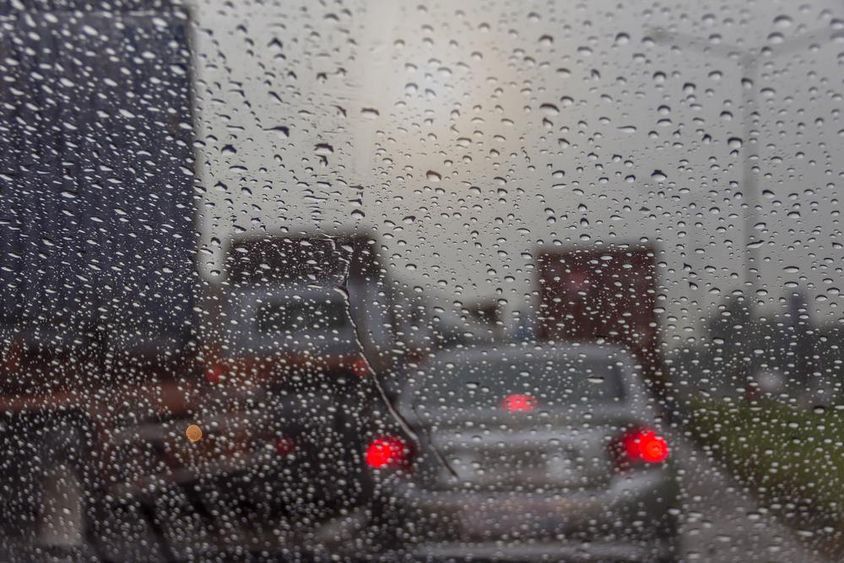
Rain, Clouds, and Heatwave Approaching UAE Festivities
In the United Arab Emirates, the weather is often predictable and stable, especially at the end of the winter months when the days are pleasant and the nights are relatively cool. However, from time to time, atmospheric systems appear in the region that temporarily alter this stable picture. Meteorological observations currently indicate a weather situation developing that may bring cloudier skies, intermittent rain, and stronger winds to several areas of the UAE, including the Dubai region.
According to forecasts, this variable weather may persist into the Eid Al Fitr celebrations, though meteorological models are subject to change in the coming days. Experts suggest that the current atmospheric processes are linked to a surface low-pressure system that is supported by expansions forming in the upper atmospheric layers. This combination often leads to cloud formation, intermittent showers, and rapidly changing weather conditions in the area.
Impact of the Low-Pressure System on the Region
Meteorological analyses suggest the current wetter weather is due to a surface low-pressure system that has developed over the Middle East. Such systems work in conjunction with atmospheric troughs in the higher layers, causing instability in the atmosphere. When this process reaches the UAE area, clouds form, which can bring intermittent rain and thunderstorms.
This type of weather situation is particularly common during the transitional period between winter and spring. During this time, the region has not yet fully entered the hot summer period, but the stable atmospheric conditions of winter have already begun to dissipate. These transitional periods often witness rapid weather changes that can bring clouds, rain, or even stronger winds from one day to the next.
In recent days, precipitation has been observed in several parts of the UAE. Small showers have formed around Abu Dhabi, Ras Al Khaimah, and the Dubai area, bringing significant cloud formation and cooler air to the region, even though they didn’t last long.
Rain to Arrive in Waves, Not Persistently
Meteorologists predict the expected rainfall in the coming days will not appear as continuous rain. Rather, short, intermittent showers are expected, arriving with the passage of cloud zones.
This means that any given area may experience sunny weather, followed by cloud accumulation and brief rain showers. A few hours later, the sky may clear once again. Such oscillating precipitation is not unusual in the region during seasonal transitions.
Current forecasts suggest that scattered showers could occur midweek and again towards the end of the week. These are mainly expected in western parts of Abu Dhabi, northern areas around Ras Al Khaimah, and occasionally in the Dubai district.
It’s important to note that these rains do not signal prolonged wet periods. They appear in short episodes and then quickly move on.
Strengthening Winds and Possibility of Dust Storms
Another consequence of atmospheric instability could be strengthening winds. Forecasts indicate that winds coming from the northeast could occasionally be fresh or even strong. Wind speeds will generally range between 15 and 30 km/h but can reach up to 50 km/h in some periods.
Such strong winds can often lift dust and sand into the air in the UAE's desert areas. These phenomena can reduce visibility, especially in open areas or near highways.
Dusty air can cause short-lived inconvenience for residents, particularly those sensitive to air quality. However, meteorological observations indicate that these winds typically weaken gradually during the day and significantly decrease by evening.
Changes in Sea Conditions
The weather system affects not only land areas but also sea conditions. According to meteorological forecasts, the sea may be initially rough in the Arabian Gulf and Omani Gulf.
Due to strengthening winds, the water surface may become unsettled for a short time, posing challenges, especially for smaller boats and water sports activities. Experts suggest, however, that sea conditions will gradually improve, returning to moderate or mild waves after a few days.
The Rain Will Stop Soon
According to meteorological models, the current period of rainfall will not last long. Forecasts indicate that precipitation will gradually weaken in the coming days and then cease altogether.
As the weekend approaches, the weather is expected to be partly cloudy, but rain is unlikely. This means that the region will return to its usual, drier weather patterns.
Meteorologists note that while clouds may still appear in the sky occasionally, they do not carry significant precipitation.
Rapidly Rising Temperatures
As the chance of rain decreases, temperatures are beginning to rise gradually. Forecasts suggest temperatures will remain relatively stable in the coming days, followed by a faster warming trend in the latter part of the week.
Maximum temperatures around Sunday and Monday could reach 38–39 degrees Celsius, clearly indicating the upcoming summer period, which annually brings intense heat to the UAE.
Such a rapid warming trend is not unusual in the region. The end of winter and the beginning of spring often bring brief, variable weather episodes, which are quickly followed by significant temperature increases.
The Natural Process of Seasonal Transition
The current weather situation aligns well with the region's seasonal cycle. Meteorologists suggest that the period between winter and spring in the Middle East is often associated with unstable atmospheric conditions.
Cloud systems forming over the Red Sea area and cloud zones developing in central Saudi Arabia occasionally drift eastward. When these reach the UAE, they can cause short-term cloudiness and precipitation.
From a meteorological standpoint, this phenomenon is entirely normal and occurs every year as spring approaches.
What This Means for the Holiday Period
The Eid Al Fitr period in the UAE is traditionally filled with family gatherings, travel, and outdoor activities. Current forecasts suggest there may be some cloudiness during the festivities, with possible short rain showers in certain areas.
However, meteorological experts emphasize that forecasts could still change significantly in the coming days. The movement of weather systems can quickly alter precipitation chances.
Based on current outlooks, the holiday period does not promise prolonged rain but rather variable cloudiness and short-lived showers.
Returning to Normal Weather Conditions
Once the current low-pressure system leaves the region, the weather is expected to stabilize once again. Clouds will gradually disappear, skies clear up, and temperatures will rise.
This process also signals the onset of spring, which, according to the meteorological calendar, begins on March 21. During the following period, the UAE’s weather typically becomes progressively warmer and drier, lasting until the summer months.
Thus, the current brief rainy period is merely a transient episode during seasonal transition. In the coming weeks, the region is expected to return to its usual sunny, warm weather patterns, a hallmark of Dubai and the entire UAE’s climate. img_alt: Rain seen through a car window.
If you find any errors on this page, please let us know via email.


