Gulfood Traffic Chaos: Dubai's Urgent Alert
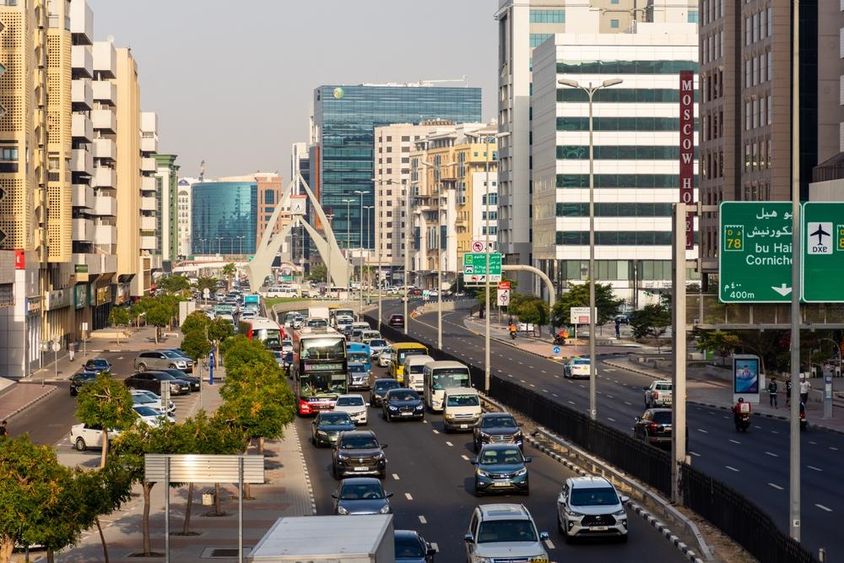
Gulfood Corral: Traffic Alert from Dubai's RTA
The annual Gulfood event is not only a meeting place for global food industry players but also a test for Dubai's traffic system. In 2026, the event occupies not only the Dubai World Trade Centre area but also the Dubai Expo City complex, causing increased traffic throughout the city from the start of the week. As a result, the Dubai Roads and Transport Authority (RTA) has issued an urgent message to residents and visitors: use public transportation to avoid prolonged congestion.
Morning Chaos on the Roads: Three-Hour Journeys
On the first day of the event, Tuesday morning, reports emerged of significant congestion on major routes. Commuters from Sharjah, Ajman, or even central Dubai reported unusually long travel times. Instead of the usual one and a half hour commute, some were stuck in morning traffic for almost three hours.
On social media platforms and navigation apps, it was visible that congestion built up early, particularly around Sheikh Zayed Road, the E311 motorway, and the Al Garhoud bridge. According to one report, drivers were moving at no more than 40 km/h over long stretches, following each other's bumpers by mere centimeters.
Why is the City So Crowded?
Gulfood is one of the largest industry events globally, attracting tens of thousands of visitors daily. The 2026 event has garnered particular attention as it spans two locations simultaneously: the Dubai World Trade Centre and the Expo City Dubai. This distributed venue setup not only increased the number of visitors but also encouraged many to drive across different city points to attend the event's various segments.
According to the Dubai RTA warning, during peak hours (morning and early evening), traffic becomes harder to manage, especially around downtown junctions and larger conference centers.
Alternative: Public Transport and Free Shuttle Buses
Authorities strongly advise event attendees to use the Dubai metro network, which directly connects to the World Trade Centre, and the special shuttle buses serving the Expo City Dubai site.
At Dubai Expo City, free parking is provided from where organized buses transport attendees to the entry points. There are limited paid underground garages around the World Trade Centre, but street parking spaces are typically filled by morning.
Digital displays across Dubai remind commuters: "Use public transport – Traffic can be extreme during Gulfood." Simultaneously, navigation apps predict congestion areas, giving drivers at least partial preparation for delays.
Local Experiences: Challenges Not Just from the Suburbs
Interestingly, even intra-city travel times have increased drastically. Residents from Al Nahda, Al Quoz, Business Bay, and other inner districts also reported that their usual 30-40-minute morning routes extended to one and a half hours, especially concerning Sheikh Zayed Road and downtown access roads.
The increased traffic strains not only drivers but also city infrastructure: traffic light cycles, road markings, and traffic officer presence are all crucial in managing traffic, yet these solutions alone cannot fully offset peak traffic flows.
What to Expect for the Rest of the Week
With Gulfood running until Thursday, January 29th, and the exhibition being open each day, regular weekday mornings are expected to remain crowded. Visitors and commuters are advised to plan: set out earlier, switch to metro or bus, and avoid driving if possible.
From the organizers' side, the message is clear: public transportation is not only faster and more predictable but also helps reduce environmental burdens. This is especially important in a city like Dubai, which intensely focuses on developing sustainable mobility.
Conclusion
Gulfood is not just a gastronomic exhibition but an infrastructure challenge that particularly tests Dubai's traffic system this year. The RTA's call to use public transportation is not only practical but realistic advice for those looking to save time, energy, and nerves for the rest of the week. Dubai city is handling increasingly complex event logistics, and it seems the future increasingly leans toward metros and shuttle buses.
If you find any errors on this page, please let us know via email.


