Gold's Uncertain Future: Safe Haven Dilemmas
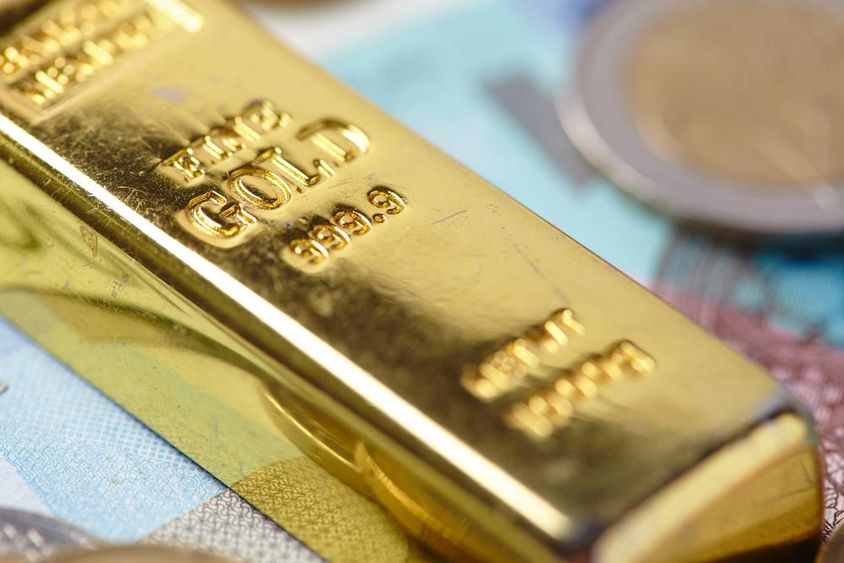
The Shaky Gold: When the Safe Haven Becomes Uncertain
For a long time, gold functioned as one of the most stable and reliable assets in the financial world. Whenever there was uncertainty, growing war tensions, or market fluctuations, investors instinctively turned towards gold. However, recent events over the past months depict a completely new picture, particularly offering an intriguing perspective for those keeping an eye on the Dubai gold market.
The current situation is not merely a correction. Rather, it's a market reversal that fundamentally questions gold's classic role.
Two-Year Rise Followed by a Sudden Turn
Over the past two years, gold rose almost unstoppably. Global inflation, geopolitical tensions, and monetary easing all contributed to the precious metal's price nearing new highs. However, this rise now seems to be running out of steam conspicuously.
In recent times, the value plummeted by more than 13% within a single month, an exceedingly rare movement. The last time such a level of decline occurred was during the global financial crisis. This is no simple fluctuation but a sign of a significant trend reversal.
Notably, prices still significantly lag behind the levels observed when the Middle East conflict escalated. This is surprising because traditionally such situations tend to strengthen gold.
Dubai: Short-Term Uptick, Long-Term Uncertainty
In the Dubai market, prices showed a short-term increase, but this is more a technical phenomenon than a true trend reversal. According to local traders, many buyers simply took advantage of lower prices to enter the market.
This kind of "bargain shopping" does not equate to strong fundamental demand. It’s more of a temporary reaction to previous declines. Volatility remains high, and uncertainty is clearly present in the market.
Dubai is particularly sensitive to these movements, as gold here is not just an investment tool but also a consumer product. The jewelry market, tourism, and retail purchases all contribute to price developments.
Impact of the Strong Dollar
One of the key factors currently putting pressure on gold prices is the strengthening of the US dollar. When the dollar is strong, gold becomes more expensive for the rest of the world because it is priced in dollars.
This automatically reduces demand, especially in markets where exchange rates are sensitively reactive to dollar movements. For Dubai buyers, this has less direct impact, but globally, it creates a significant downward force.
Additionally, the strong dollar offers an alternative for investors. Cash and dollar-based assets become more attractive, thus gold loses its relative advantage.
Interest Rate Expectations: The Biggest Turning Point
Perhaps even more important than the dollar is the development of the interest rate environment. Recently, markets were expecting interest rate cuts, which supported gold prices. However, these expectations have practically vanished.
When interest rates remain high, holding gold becomes less attractive since it doesn’t yield returns. In contrast, other assets do. This increases the so-called opportunity cost, one of gold’s biggest adversaries.
This change was rapid and powerful, playing a significant role in the recent decline.
Oil Prices and Recession Fears
As a result of the Middle East conflict, energy prices have risen, bringing further uncertainty to markets. Rising oil prices increase inflationary pressure while also heightening the risk of economic slowdown.
Paradoxically, this combination did not favor gold. Investors instead turned towards liquid assets and cash perceived as safe.
Once again, this shows that gold's current behavior differs from previous patterns.
Changed Role: From Safe Haven to Risk Asset?
One of the most interesting developments is that gold's behavior increasingly resembles that of a risk asset. Instead of playing a stabilizing role, it is increasingly moving along with other market factors.
One reason for this is that the investor composition has also changed. More and more short-term, speculative capital has appeared in the market, amplifying price movements.
When the market panics, these investors quickly exit, which can trigger a chain reaction. This significantly increases volatility.
The Future: Downward or Towards New Heights?
In the short term, many analysts do not rule out further weakening. Some opinions suggest that another significant correction could be possible if the macroeconomic environment doesn’t change.
However, in the longer term, gold's outlook might still be positive. Central banks are continuously increasing their gold reserves, ensuring stable demand.
This is particularly important in a world where the dominance of the dollar is slowly but perceptibly decreasing.
Dubai and Global Correlations
Dubai is an interesting intersection in this process. It is both a global financial center and a physical gold trading hub. The trends observed here often predict broader market movements.
In the current situation, the Dubai market is more likely to remain on hold. Traders are cautious, and buyers are entering much more consciously.
This approach clearly indicates that the market is adapting to the new environment.
Conclusion: The Beginning of a New Era
Gold's current situation is not merely a temporary setback. Rather, it marks the beginning of a transformation that could shape market operations in the long term.
The role of the safe haven has faltered, and macroeconomic factors – especially the dollar and interest rates – have gained much more weight.
The coming months will be crucial. If the current trends persist, gold's trajectory might remain volatile, with downward risks potentially dominating.
One thing, however, is certain: the gold market is no longer what it used to be. And this is increasingly felt in Dubai as well.
If you find any errors on this page, please let us know via email.