Fuel Costs Soar in UAE May 2026
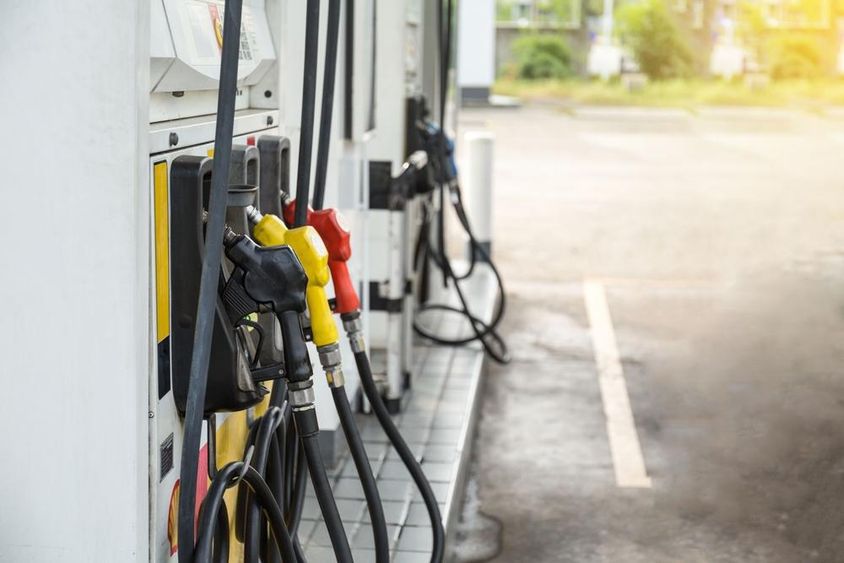
Fuel Price Increase in the UAE in May 2026
The United Arab Emirates has once again raised fuel prices for May 2026, which particularly affects those who drive daily in the city of Dubai. Here, a car is not a luxury but a fundamental mode of transportation, so any price change directly impacts everyday expenses.
The new prices were announced at the end of April and took effect from May 1st. The decision is backed by the situation in the international oil market and the geopolitical conditions in the Middle East.
Why are prices rising?
Fuel prices in the UAE are determined monthly, aligned with the average global oil prices. Recently, there has been a significant increase in the Brent crude oil price, partly caused by ongoing conflicts in the region. Due to the uncertain situation, supply chains have become more vulnerable, driving prices up.
Additionally, distribution costs are added, which are also incorporated into the final price. Thus, a system is created where consumers experience smaller or larger changes monthly.
Detailed new prices
In May, the price of every fuel type increased compared to April. The prices per liter are as follows:
Super 98: 3.66 dirham
Special 95: 3.55 dirham
E-Plus 91: 3.48 dirham
This means that in every category, several dirhams more must be paid per liter, resulting in a significant increase in expenses in the long run.
How much does a full tank cost?
An average compact car has an approximately 51-liter fuel tank. Based on current prices, filling a full tank can cost:
Around 186.66 dirhams for Super 98
Around 181.05 dirhams for Special 95
Around 177.48 dirhams for E-Plus 91
Compared to April, it means a single refueling could cost between about 13.77 and 20.72 dirhams more. If someone refuels weekly, this becomes a significant difference on a monthly level.
What does this mean in daily life?
In the city of Dubai, a significant portion of transportation is by car. Although public transport is continuously improving, many still use their own vehicles for commuting to work, shopping, or even longer trips.
Thus, the increase in fuel prices is felt not only on an individual level but also has economic impacts. More expensive transportation increases logistic costs, which ultimately can also appear in the prices of products and services.
Global impacts and regional tensions
The current price increase is not independent of global events. The tensions in the Middle East directly affect the oil market. Investors and traders face higher risks during such times, leading to an increase in prices.
Furthermore, several countries have also raised fuel prices, so the UAE's step is not unique but part of a broader international trend.
What to expect in the coming months?
The evolution of fuel prices remains highly dependent on the global oil market and geopolitical conditions. If the tensions persist or escalate further, further price increases cannot be ruled out.
However, if the situation stabilizes and oil prices decrease, prices in the UAE could also moderate in the coming months.
How are residents adapting?
Due to the continuous price changes, many are planning their car use more consciously. More and more people pay attention to consumption, choose more economical vehicles, or combine driving with other forms of transport.
In the case of Dubai, interest in electric vehicles and hybrid solutions is also increasing, which in the long run can reduce dependence on fossil fuels.
Summary
The fuel price hike in May 2026 is another sign that energy prices remain highly exposed to global events. The UAE's system, which adjusts to international prices monthly, quickly follows these changes.
For Dubai residents, this means that transportation costs continue to rise, and it's worth planning daily travel more carefully. How long this trend will last greatly depends on global market processes, which are currently uncertain.
If you find any errors on this page, please let us know via email.


